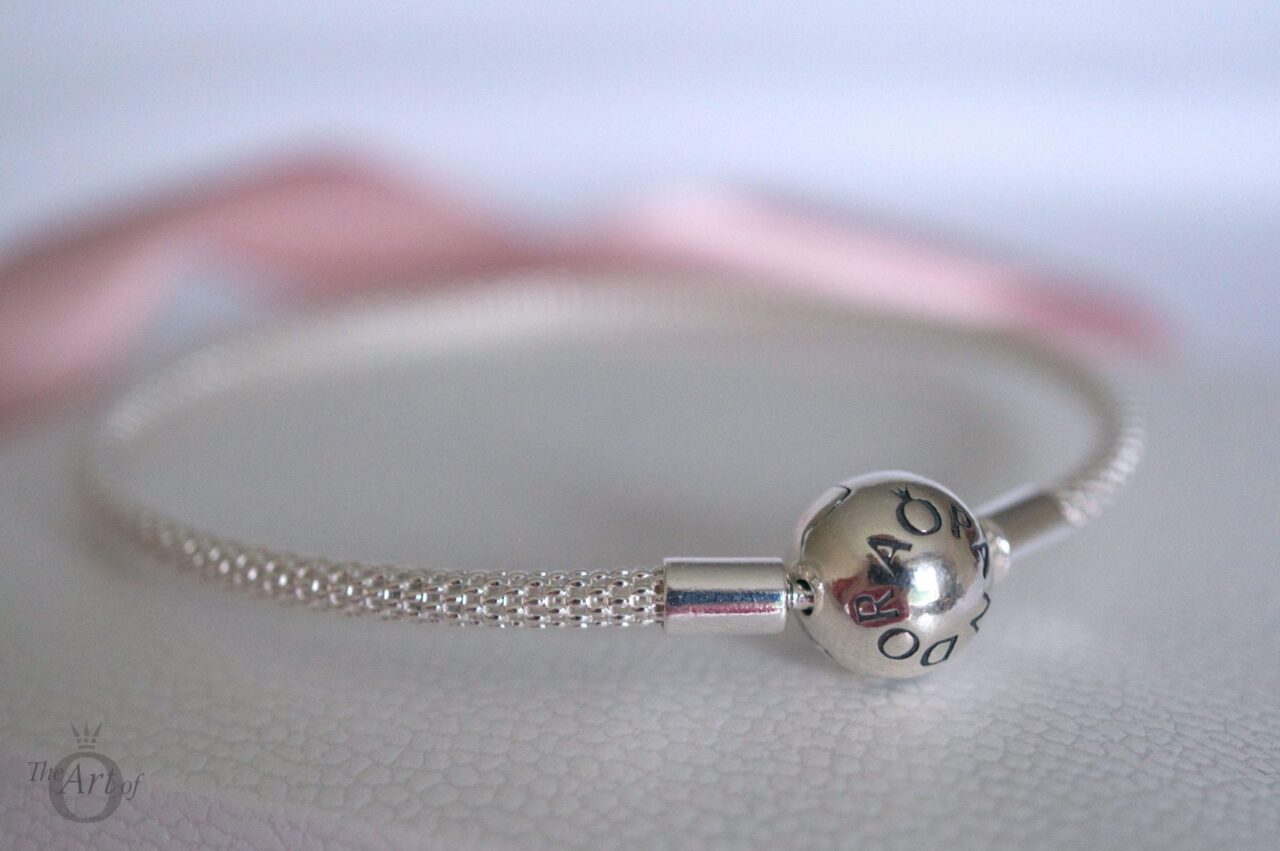
Pandora, the Denmark-based jewellery manufacturer known for its charm bracelets, is considering a strategic overhaul of its operations in China due to a sustained downturn in sales, according to insider sources. These measures may include licensing its brand and assets, including its current inventory, to China-based funds and e-commerce partners for a five-year period.
Pandora, like many other multinational consumer-focused companies operating in the world’s second-largest economy behind the United States, has been negatively impacted by the aftermath of the global pandemic and a property crisis that has sent shockwaves through the economy. The company has struggled to compete with local, tech-savvy brands in the crowded e-commerce sector and has also been affected by a consumer trend towards gold and high-value jewellery.
In a statement, Pandora acknowledged its need to reposition its brand in the increasingly challenging Chinese market and confirmed its commitment to implementing a turnaround strategy. “While this process will undoubtedly take time, China represents the world’s largest jewellery market and we remain completely dedicated to our business operations there,” commented Pandora.
Over the past five years, Pandora’s revenue in China has plummeted nearly 80%, dropping to 416 million Danish crowns (approximately US$65.10 million) in 2024, down from 1.97 billion crowns in 2019. The company’s contribution from its China operations has also significantly reduced, falling from 11% to around 1% during the same period.
There have been several leadership changes within Pandora’s China operations since 2022, with the current Managing Director, Thomas Knudsen, joining the company at the beginning of this year. Shortly after his appointment, Pandora announced plans to shut down 50 stores in China later this year.
There may be challenges in finding an investor or a licensing partner given the downward trends in performance and broader consumer challenges, according to Jonathan Yan, a principal at a leading consultancy firm in Shanghai. Yan stated that financial investors may not be interested in the asset, while e-commerce partners interested in owning higher-margin brands may be potential candidates.
Pandora’s e-commerce division has faced a steeper decline in sales than its physical stores, an insider revealed. Therefore, a takeover by an operator with the know-how to compete in the Chinese e-commerce market could be a positive development, although the cost of any turnaround would be significant to whoever assumes responsibility for the company’s operations.
Yan commented, “Any successful turnaround will necessitate significant investment and the introduction of highly innovative strategies, and even then, success is far from guaranteed.”
What potential measures is Pandora considering for its Chinese operations?
Pandora is reportedly contemplating licensing its brand and assets to China-based funds and e-commerce partners for a five-year period.
How has Pandora’s revenue in China changed over the past five years?
From 2019 to 2024, Pandora’s revenue in China has fallen nearly 80%, from 1.97 billion Danish crowns to 416 million Danish crowns.
What challenges does Pandora face in turning around its operations in China?
Pandora faces competition from local, tech-savvy brands, a shift in consumer preferences toward gold and high-value jewellery, and the broader economic impact of the global pandemic and property crisis.