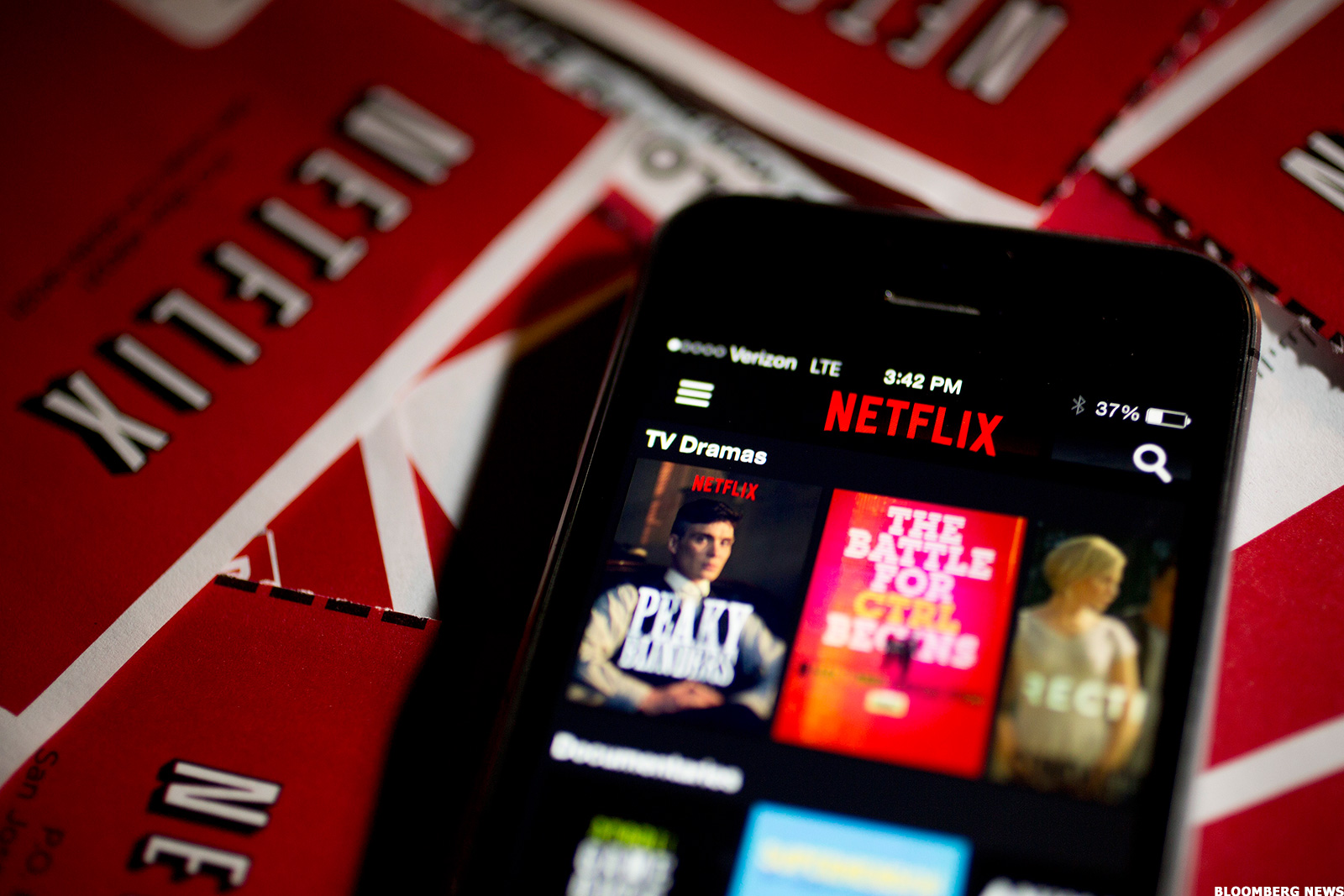
News of the service’s entry was quickly embraced by social media by Indonesia’s young and urban population who were familiar with the service due to pop culture references, as well as Netflix’s award-winning productions.
Netflix has indicated that it is willing to adhere to Indonesia’s laws and regulations, but it believes that it doesn’t have to follow the same procedures as cable networks.
Be that as it may, it’s hard to imagine that the decision wasn’t also influenced by a desire to protect the company’s own business interests. Uber argued that it does not own any vehicles, but eventually said it will set up a subsidiary to better comply with local regulations.
Regardless, many worry that Telkom’s move suggests that a blanket ban on Netflix is imminent.
Some Telkom competitors were capitalising on the ban Thursday, promoting their Netflix packages in a bid to lure Telkom customers angered by the move. The ministry now monitors websites and blocks content on a case-by-case basis.
Arif Prabowo, Telkom’s vice president for corporate communications said in a statement that Netflix needed to adjust to Indonesia’s regulations-namely a 2009 film law. With technological advancement comes both increased access to tools such as virtual private networks, and the debate on censorship.
On the other hand, Netflix is also posing a threat to Telkom’s pay TV business, which is jointly operated with an Indonesian conglomerate.