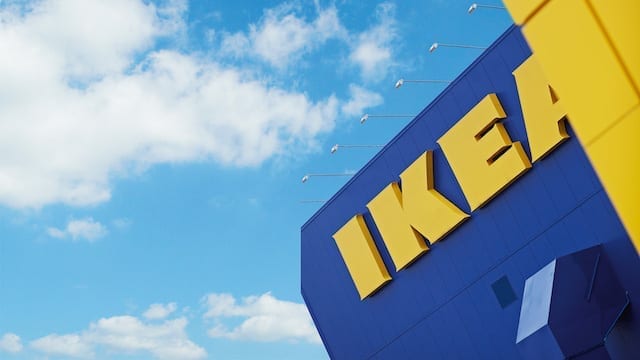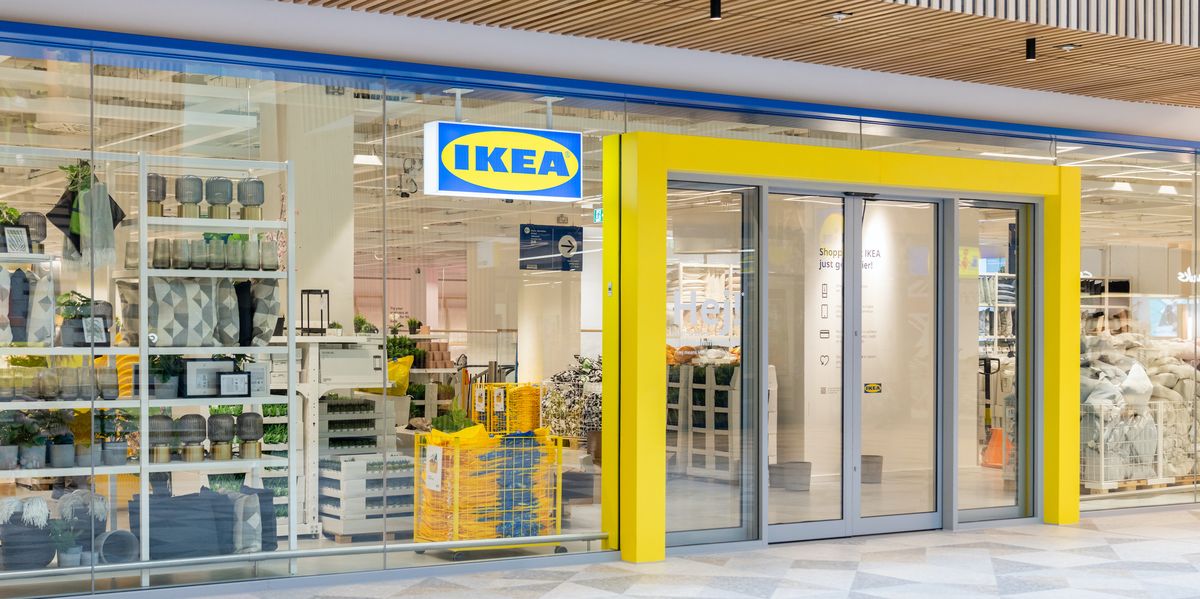
IKEA is making waves in the retail world by swapping its iconic maze-like store design for a more straightforward, linear layout. This bold move reflects a larger transformation in the industry, one that champions efficiency, flexibility, and clear brand identity.
Rufus Turnbull, Founder and Creative Director at Studio X, notes, “We’re witnessing a shift towards smaller format stores that can offer a more agile shopping experience for consumers. Coupled with the rise of AI, there will be an even sharper focus on hyper-localization—tailoring product ranges to fit the specific needs of customers in their respective regions.” This redesign is part of IKEA’s global strategy to enhance in-store navigation and cut down on shopping time, responding to the increasing consumer demand for quicker and more efficient retail experiences—especially as online shopping sets higher expectations for physical stores.
Mike Lim, Director at DP Design, emphasizes that traditional, inspiration-driven retail models, like IKEA’s former printed catalog, are losing their relevance. “Today, consumers primarily turn to the internet for information,” he highlights, arguing for a re-evaluation of whether the classic show-and-tell shopfront really meets the needs of modern shoppers.
However, this shift does come with its own set of challenges. Turnbull warns against viewing the move to more efficient formats as an “all or nothing switch.” He suggests that large-format stores will continue to be crucial, while newly introduced smaller formats can facilitate product pickups and enhance customer service and returns.
Lim also cautions against an overemphasis on speed and efficiency: “We must avoid the ‘efficient trap’—oversimplifying the shopping experience consumers crave,” he advises. Instead, he advocates for a “retail plus experience” model and “placemaking” that fosters emotional connections with shoppers. After all, who doesn’t want an enjoyable shopping adventure?
Maintaining a strong brand identity while adapting store functions remains a pressing concern. “A retail concept with a clear purpose is more likely to succeed,” Turnbull explains. He adds that the most sustainable environments are those that respond to market demands and endure over time, rather than simply showcasing trendy green features.
Lim insists that a brand’s identity must be “singular and laser-focused,” with store design clearly reflecting that mission through layout, packaging, and customer service.
As IKEA ventures into this new chapter, we can’t help but wonder what other surprises lie around the corner in the ever-evolving retail landscape!
What is the reason behind IKEA’s change in store layout? The shift to a simpler, straight-line design aims to enhance efficiency, streamline navigation, and respond to consumer demand for faster shopping experiences.
How are smaller store formats expected to perform? Smaller stores will serve as agile hubs for customer service, product pickup, and returns while still complementing larger locations.
What role does brand identity play in this transition? A strong, purposeful brand identity is essential; it should be reflected throughout the store’s design and operations to foster long-term success.