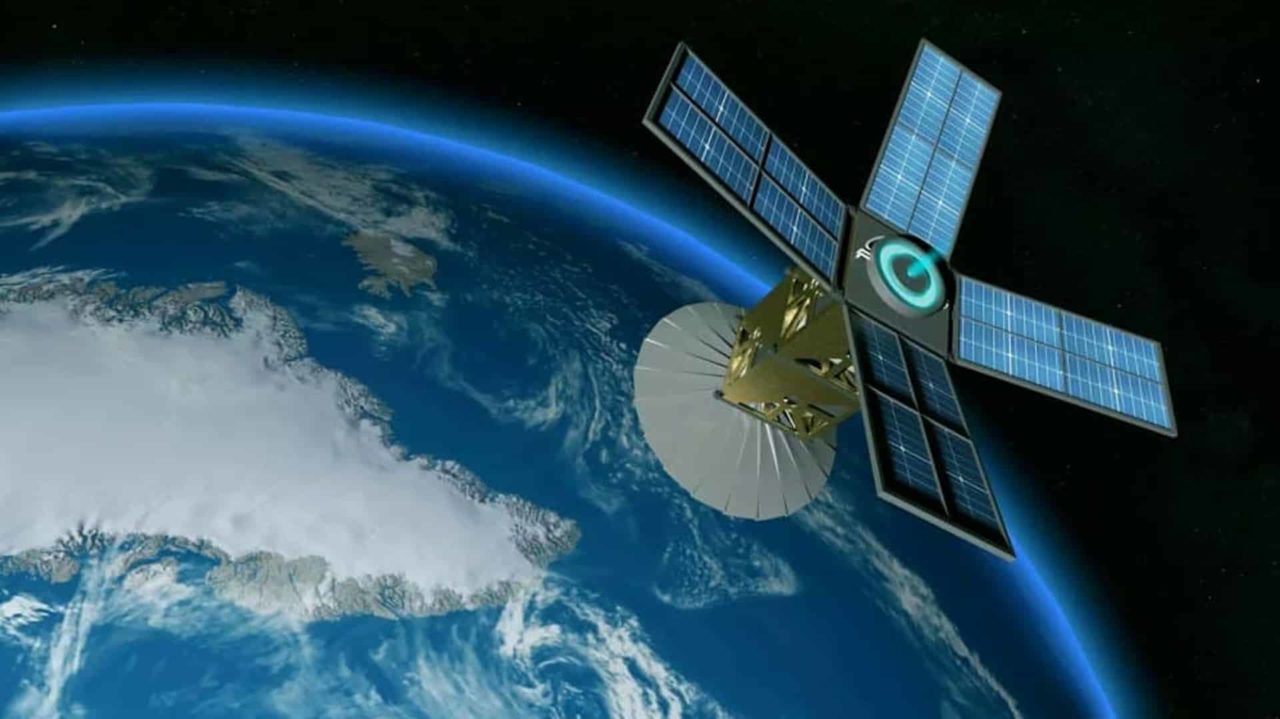
The Thai government, in collaboration with the Office of the Cane and Sugar Board (OCSB) and Thaicom Public Company Limited, has launched an ambitious technological initiative aimed at combating sugarcane field burning. This innovative platform leverages satellite technology, geospatial data, and artificial intelligence (AI) to monitor and track burning activities. Remarkably, it’s not just limited to sugarcane; future applications may address various agricultural pollution sources, particularly those that contribute to PM2.5 levels.
In 2024, the sugarcane and sugar industry made a significant dent in the Thai economy, contributing over THB 184 billion. As of mid-2025, the industry had already generated more than THB 92.5 billion, underscoring its importance. The International Sugar Organization (ISO) notes that Thailand produces 5% of the world’s sugar, making it the fifth largest producer globally and accounting for a noteworthy 9% of sugar exports.
The newly unveiled Burn Tracking platform offers a comprehensive analytical system designed to monitor sugarcane field burning. Utilizing satellite-based space and geospatial technology, the platform provides a user-friendly dashboard that allows for quick access to data regarding burning activities. Users can monitor cultivation areas, crop yields, and forecasts for cane delivery to sugar mills. The system has a particular knack for identifying heat spots and burned areas, making the data not just accessible but also actionable.
Mr. Bainoy Suwanchatree, Secretary General of the OCSB, emphasized the government’s commitment to transforming the industry into a modern and eco-friendly sector. “A major focus has been tackling PM2.5 pollution caused by sugarcane burning during the 2024/2025 harvesting season,” he stated. To this end, the OCSB has introduced six measures aimed at reducing emissions. These include promoting advanced agricultural technology and machinery, along with supporting satellite-based research and development.
These initiatives have yielded impressive results: fresh cane accounted for an astounding 85% of the total crushed volume, translating to 78.3 million tons, while burned cane made up a mere 15% (or 13.68 million tons). This significant drop from the previous year’s 29% reflects a concerted effort to reduce reliance on burning practices.
Looking forward, Mr. Suwanchatree outlined an ambitious vision to boost farmers’ incomes and support downstream industries, aiming to position Thailand as the Bio Hub of ASEAN by 2027. Strategic plans include developing bioplastics to tackle environmental issues, further decreasing sugarcane burning, and curbing carbon emissions. The OCSB will also spearhead the establishment of a national network of BioExcellent Centers to promote innovations in sugarcane farming and production efficiency — think of it as planting the seeds for a vibrant green future.
Mr. Patompob (Nile) Suwansiri, CEO of Thaicom Public Company Limited, remarked on the platform’s potential: “By melding space technology with satellite data and AI analysis, we’ve created a formidable tool that not only improves air quality but also helps in minimizing PM2.5 pollution.” While the platform’s immediate application is in the sugarcane sector, its capabilities can easily be adapted for use across various agricultural landscapes.
What is the Burn Tracking platform?
The Burn Tracking platform is an analytical system that uses satellite technology and geospatial data to monitor and track sugarcane field burning, with plans to expand its application to other agricultural pollution sources.
How has the Thai sugar industry performed financially in recent years?
In 2024, the sugarcane and sugar industry contributed over THB 184 billion to the economy, with more than THB 92.5 billion generated by mid-2025.
What measures are being taken to reduce PM2.5 emissions?
The OCSB has implemented six key measures, including promoting advanced agricultural technology, which have resulted in a substantial reduction of PM2.5 pollution attributed to sugarcane burning.