Motorbikes, possessing the rapidity of a car but the simplicity of a bicycle, inherently pose a high risk to safety, particularly when traversed on less than optimal roads. As an individual who has spent a significant time commuting through the city by both motorbike and car, I have come to deeply comprehend a sobering reality: motorbikes, the primary mode of transportation in Vietnam, are also the most perilous. The danger lies not only in their petite, vulnerable structure, but also in the habits and attitudes of the people and a transportation infrastructure that is inadequately equipped to provide adequate protection for riders.
In developed nations, cars are predominantly the preferred choice of transport. This preference is not solely attributed to the affluence of the people, but also to the inherent safety cars provide. The occupants in a car are shielded by a robust metal structure, airbags, seatbelts, anti-lock braking systems, collision sensors, rear-view cameras, and blind spot warnings. Motorbike riders, on the other hand, are left completely vulnerable to the tumult of traffic. A minor brush or an abrupt swerve can easily result in a fall, leading to grave injury or even fatality.
In my personal observation, most roadway accidents in Vietnam invariably involve motorbikes. They occur on a daily basis, whereby a minor wobble, a sharp brake, or an inattentive pedestrian can rapidly escalate into catastrophe. Although car accidents are not unheard of, the possibility of fatal consequences is significantly less.
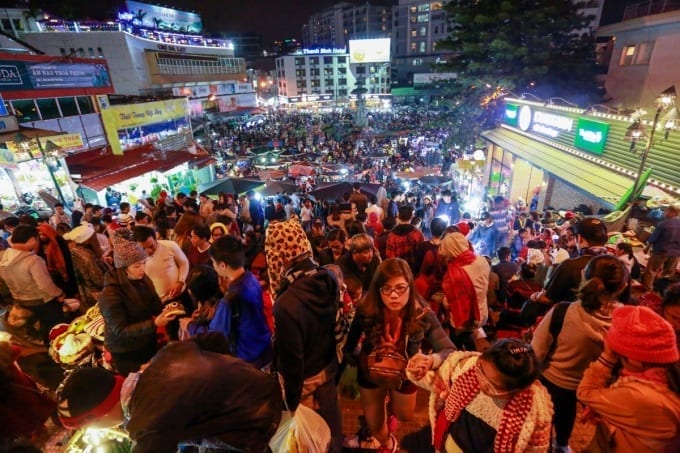
Another factor contributing to the danger of motorbikes is their sheer volume. In major cities such as Hanoi and Ho Chi Minh City, it is commonplace for a family to own two or three motorbikes. The narrow city roads, swarming with millions of bikes, generate chaos. Riders are compelled to evade cars, dodge pedestrians, navigate around buses, and occasionally mount pavements when confronted with traffic jams. These behaviors are born out of the necessity for convenience and the habit of seeking shortcuts, yet they continually place riders in precarious situations.
Further exacerbating the situation is the lack of traffic awareness amongst a subset of riders. Unconventional helmet use, running red lights, driving against the traffic, over-speeding, and phone usage while driving are prevalent practices. As motorbikes are compact and agile, riders often experience a sense of freedom, forgetting the grave implications one moment of negligence can bring about. Unlike car drivers, who are subjected to more stringent licensing procedures and have higher financial liabilities, many motorbike users obtain their license with minimal training. Some even resort to stand-ins for their tests or commence riding before achieving the legal age.
There is also a psychological element at play. Car drivers generally exhibit more caution as even a minor collision can result in costly repairs. Motorbike riders, conversely, often downplay minor incidents and adopt aggressive or reckless behavior to save a few minutes. This overconfidence often results in motorbike accidents that are unforeseen and frequently unavoidable.
The infrastructure in Vietnam further exacerbates the risk. Numerous roads lack specially designated lanes for motorbikes, exhibit faded lane markings, inconsistent speed bumps, and poorly positioned traffic lights. Rain can render the roads slippery, while manhole covers and potholes, barely noticeable to cars, can easily cause a motorbike rider to lose control.
Motorbikes undoubtedly play an integral role in Vietnamese life, especially in narrow lanes, rural regions, or areas with underdeveloped transport infrastructure. However, as urban areas aspire to more sophisticated transportation systems, it is imperative to alter our mindset. Rather than solely relying on motorbikes, we should consider public transport, small cars, e-bikes, or bicycles as safer and more sustainable alternatives. The authorities must also enact stronger measures: assign lanes for motorbikes, strictly enforce traffic regulations, and educate about road safety from an early age. Riders must comprehend that they are operating a high-risk vehicle and not simply indulging in convenient transportation.
Observing from the safety of my car, as hundreds of motorbikes jostle under the rain, amid exhaust fumes and blaring horns, the realization is stark: a single wrong move or abrupt stop could swiftly result in tragedy.
Motorbikes have been an integral part of Vietnamese life for generations, but they also present a significant risk that needs to be reconsidered. Traffic safety is not just the responsibility of the government; it is a personal choice. We can choose to decelerate, to exercise caution, and to opt for safer vehicles to safeguard ourselves and our loved ones. After all, the ultimate objective is not the speed or convenience of the journey, but to return home safely every time.
Why are motorbikes considered dangerous?
Motorbikes are considered dangerous due to their small, exposed structure, the riders’ habits and mindset, and a transportation infrastructure that inadequately protects riders.
What factors contribute to motorbike accidents in Vietnam?
The sheer volume of motorbikes, lack of traffic awareness among some riders, psychological factors, and infrastructure issues contribute to motorbike accidents in Vietnam.
What measures can be taken to improve safety for motorbike riders?
To improve safety for motorbike riders, authorities can assign designated lanes for motorbikes, strictly enforce traffic regulations, and educate about road safety from an early age. Additionally, riders can choose safer vehicles and exercise more caution while driving.