
The Land Transport Authority (LTA) in Singapore is taking the initiative to upgrade its rail infrastructure’s video transport and CCTV network. The project is being launched in partnership with Nokia and Hitachi Rail, and its primary goal is to boost real-time monitoring, enhance safety for commuters and bolster operational efficiency.
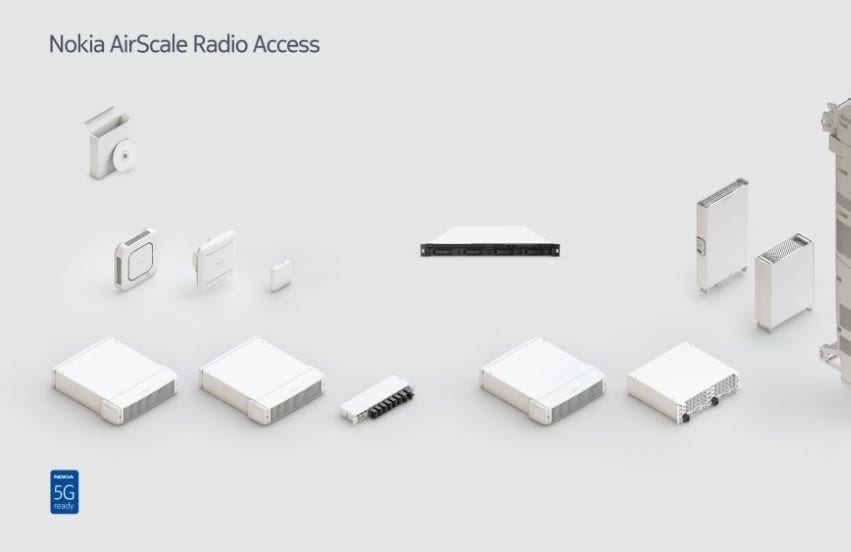
The initiative will focus on over 50 train stations, employing Nokia’s fiber-based Optical LAN and IP/MPLS solutions to bolster high-resolution video surveillance across the city’s railway system. The system, which caters to in excess of 3.65 million passengers per day, stands to benefit greatly from the enhanced surveillance capabilities.
Nokia’s Optical LAN technology features robust optical network units (ONUs) and optical line terminals (OLTs) that can offer speeds up to 25 Gbps. When compared with traditional copper-based LAN infrastructure, this system utilizes about 70% less cabling and approximately 40% less power. These factors contribute to increased efficiency and sustainability. The deployment’s IP/MPLS component will provide dependable backhaul connectivity to the LTA’s centralized Operations Control Center, thus enabling efficient transport of live video data. This will lead to improved network reliability and quicker response capabilities.
Stuart Hendry, Vice President of Enterprise Sales for Network Infrastructure at Nokia Asia Pacific, highlighted the importance of the project. He noted that fiber is being used to connect critical systems, including those responsible for monitoring transportation hubs worldwide. Ensuring a highly available, reliable, and secure real-time surveillance system is critical to the safety of those utilizing Singapore’s transit lines daily. The partnership with Hitachi Rail allowed Nokia to deliver a comprehensive solution for LTA, ensuring they had the necessary video capacity for their extensive CCTV surveillance and broader network operations for years to come.
Nokia has stated the upgraded system will enhance the capacity and reliability of the LTA’s surveillance network and allow for future expansion as bandwidth and monitoring needs increase.
In addition to the Singapore project, various other improvements are being made to railway projects across Asia. One major project in Malaysia will see YTL Communications leading a significant fiber optic project. Meanwhile, in Indonesia, another project is being implemented to ensure high-speed railway safety and efficiency.
Joaquim Santos, Vice President of Integrated Communication and Supervision Solutions (ICS) at Hitachi Rail, expressed satisfaction with the collaboration. He stated that the project is part of Hitachi’s ongoing relationship with the LTA and will play a crucial role in upgrading the transport infrastructure.
What is the primary goal of this upgrade project?
The primary goal is to boost real-time monitoring, enhance safety for commuters and bolster operational efficiency.
What are the technical specifications of the upgrade?
The upgrade will employ Nokia’s fiber-based Optical LAN and IP/MPLS solutions which can offer speeds up to 25 Gbps. This will allow for efficient transport of live video data and improved network reliability.
What is the significance of this upgrade for Singapore’s railway network?
This upgrade will enhance the capacity and reliability of the LTA’s surveillance network and allow for future expansion as bandwidth and monitoring needs increase. This will contribute to the safety and efficiency of the rail network.