
South Korea’s retail sector demonstrated remarkable resilience in May 2025, achieving a 7% year-on-year growth, spurred primarily by an ongoing boom in online sales. Data from the Ministry of Trade, Industry and Energy (MOTIE) revealed that this robust performance marks a continued recovery for both digital and traditional retail.
The online retail landscape saw a significant surge, with sales climbing by an impressive 13% compared to the same month last year. Meanwhile, the offline segment showed modest growth, with sales up a slight 0.9%, marking a positive turnaround for hypermarkets and department stores following the Seollal holiday season in January.
Hypermarkets enjoyed a 0.2% bump in sales, whereas department stores reported a 2.3% increase, driven by high demand for luxury items and an uptick in customer spending during visits. Super supermarkets (SSMs) also continued their winning streak for the third consecutive month, with a 1% growth attributed to a steady flow of shoppers. However, not all segments experienced growth; convenience store sales dipped slightly by 0.2%.
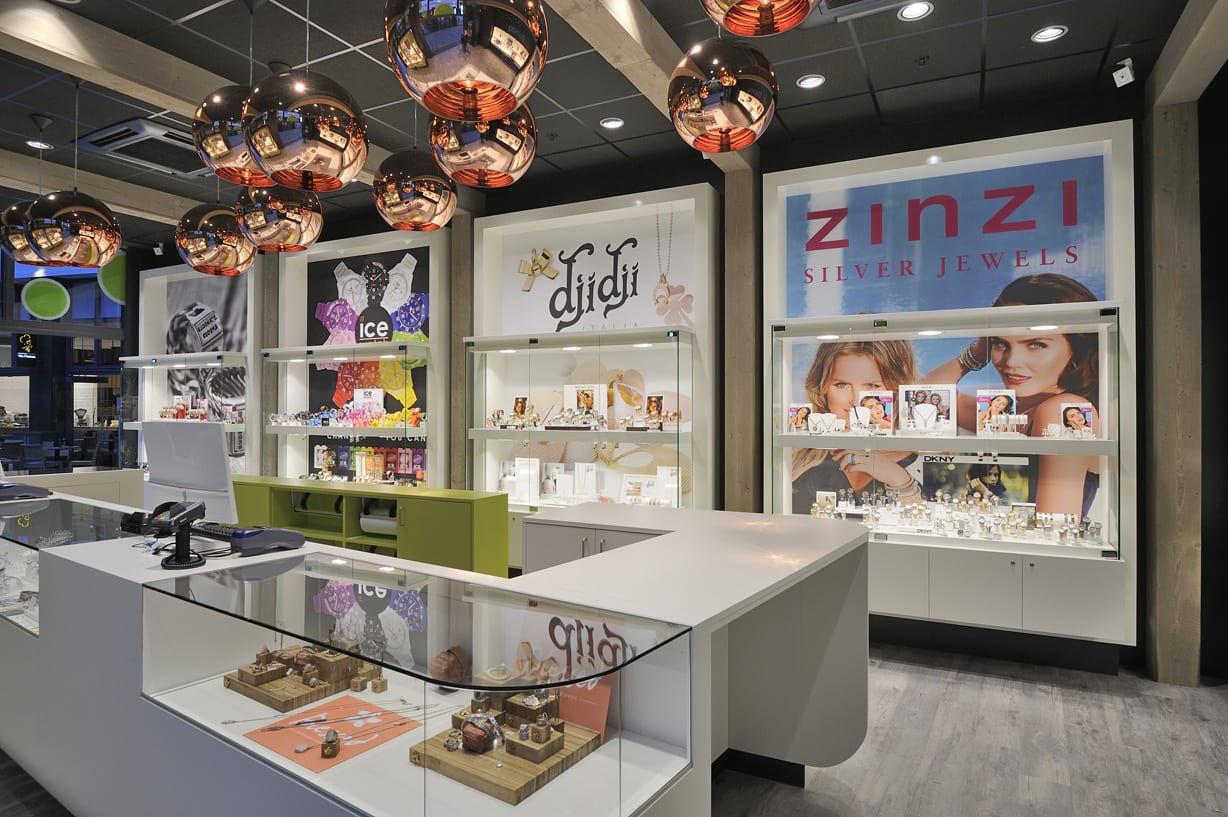
Within the offline categories, food products increased by 1%, while luxury goods, particularly jewelry and watches, saw a remarkable 8.1% rise. But the picture wasn’t entirely rosy—home appliances and cultural items faced a sharp decline of 7.8%, with kids and sports goods decreasing 2.5% and fashion and miscellaneous items falling by 3.7%. If retail were a game of musical chairs, some segments might want to consider making a quick exit.
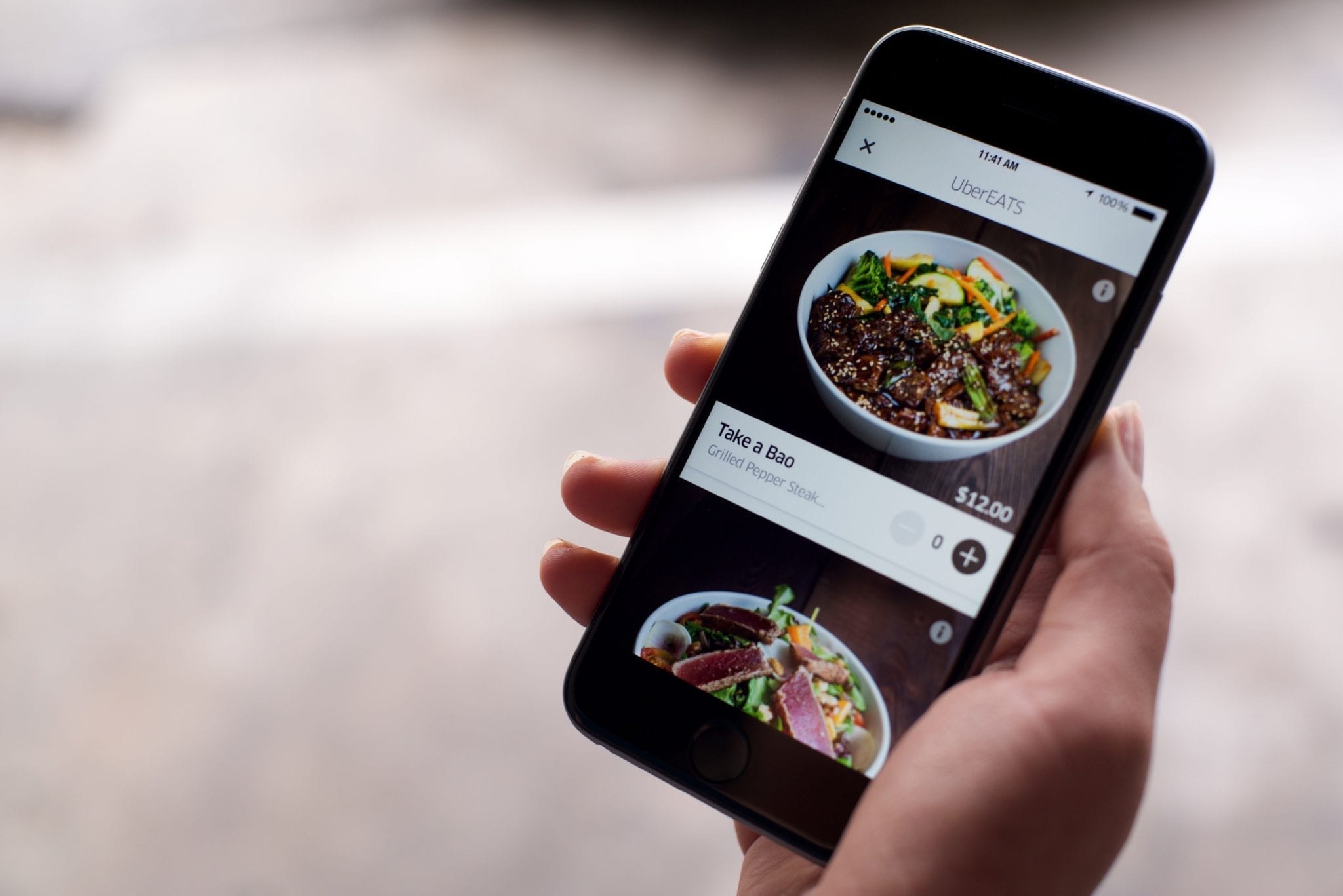
Online retail retains its status as the primary growth engine, with exceptional gains in services (up 37.3%) and food products (up 18.2%). The rising popularity of food delivery, e-coupons, travel packages, and cultural content significantly bolstered these statistics. Yet, it wouldn’t be the retail world without some hiccups; fashion and clothing sales saw a 4.6% decline, while sports-related items plummeted by a staggering 12.7%, extending a worrying downward trend.
MOTIE’s analysis is derived from a comprehensive survey of 23 major retailers, encompassing 13 offline businesses—including department stores, hypermarkets, convenience stores, and super supermarkets—alongside 10 online platforms. As South Korea’s retail landscape evolves, it paints a vivid picture of changing consumer preferences and the dynamic interaction between online and offline shopping environments.
What drove the growth in South Korea’s retail sector in May 2025?
The 7% year-on-year growth was primarily driven by a significant increase in online sales, which surged by 13% compared to the previous year.
How did physical stores perform during this period?
Offline sales saw a modest rise of 0.9%, with department stores and hypermarkets showing positive trends after the Seollal holiday season.
Which retail categories witnessed the strongest and weakest performances?
Luxury goods like jewelry and watches experienced an 8.1% increase, while fashion and sports-related items struggled, with declines of 4.6% and 12.7%, respectively.