Starbucks has ignited speculation by initiating discussions with over a dozen potential buyers for its China operations, as reported by Caixin. However, amidst this buzz, the company has clarified that a complete sale is not on the table.
“I can confirm Starbucks is not currently considering a full sale of its China operations,” a company spokesperson stated. This directive comes in the wake of a formal sale process that Starbucks commenced in May 2023, inviting interested parties to submit their proposals by last week.
Under the guidance of Goldman Sachs, Starbucks is on a quest to learn more about the corporate cultures and management styles of potential buyers, while also assessing their sustainability practices, employee treatment, and overall business strategies for Starbucks China. Insiders familiar with the matter, who spoke on condition of anonymity, suggested the retail giant has yet to determine whether it will sell a controlling or minority stake in its operations.
Despite the uncertainty, Starbucks has received interest from more than 20 institutional investors, including private equity firms eager to carve out a piece of the Starbucks pie. The potential move comes after a notable dip in market share for the brand, which fell from 34% in 2019 to a mere 14% by 2024, according to Euromonitor International. With lower-priced competitors like Luckin and Cotti aggressively challenging Starbucks’ pricing strategy, the American coffee titan faces increasing pressure to adapt.
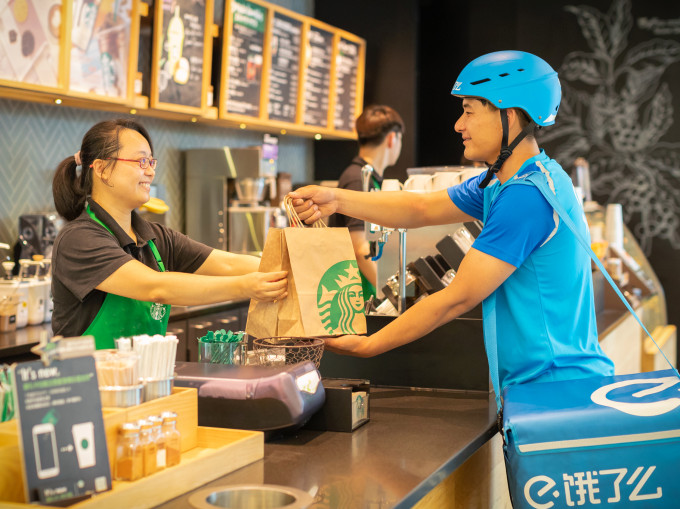
This transition is not just numbers on a spreadsheet; it’s reflective of changing consumer preferences in a market increasingly defined by affordability and accessibility. In a twist of irony, while Starbucks is pulling back on prices—marking its first-ever price drop in China for non-coffee iced drinks earlier this month—challenges abound as e-commerce giants in China further erode market pricing by offering consumers subsidies on food delivery, allowing coffee enthusiasts to pay as little as 5 yuan for their caffeine fix delivered to their door.
Starbucks has poured substantial investment into its China operations, exemplified by the launch of its 1.5 billion yuan ($209 million) Coffee Innovation Park in Kunshan in 2023, aimed at supplying its expansive store network. As the company continues its dialogues with potential investors, it is expected that a shortlist of buyers will soon be formed. “The purpose was to let everyone tell their story freely and choose whatever the best prospect is and proceed,” one insider noted.
What prompted Starbucks to consider selling part of its China operations?
Starbucks is navigating a rapidly evolving market in China, having lost significant market share to lower-priced competitors, which has raised questions about its pricing strategy and long-term prospects.
How has the competition impacted Starbucks in China?
Starbucks has seen its market share plunge from 34% in 2019 to 14% in 2024, thanks to fierce competition from fast-growing rivals offering cheaper options.
What recent steps has Starbucks taken in response to pricing pressures?
Earlier this month, Starbucks implemented its first-ever price drop in China, lowering the cost of some non-coffee iced drinks by an average of 5 yuan to stay competitive.