
Taiwan is set to elevate its national communications infrastructure’s robustness by building five new undersea communications cables. This ambitious step is part of a comprehensive strategy aimed at reinforcing the resilience and reliability of the nation’s communications systems.
The Minister of Digital Affairs, Lin Yi-jing, revealed the plans at the sixth meeting of the Presidential Office’s Whole-of-Society Defense Resilience Committee. Two of the proposed cables will be international, while the remaining three will facilitate domestic communication.
The planned cables will incorporate an armor-like protective layer designed to minimize potential damage arising from natural disasters or external interferences. Lin emphasized the necessity of maintaining smooth connectivity, particularly during emergencies such as typhoons and earthquakes, when uninterrupted communication is of paramount importance. However, the minister has not yet revealed a construction timeline for these new undersea cables.
In recent years, Taiwan has experienced several instances of damages to its undersea communications cables, with suspicion falling on interference from foreign civilian vessels. To counter this, the legislature passed amendments earlier this month, introducing stronger penalties for acts of cable sabotage. These penalties include prison sentences and the seizure of vessels and equipment involved in such acts.
The proposed undersea cables expansion aligns with the ministry’s vision of a “three-dimensional defensive communications network,” an initiative designed to strengthen connectivity via land, sea, and air.
In addition to the undersea cables, the nation plans to incorporate low-Earth-orbit (LEO) satellite capacity through Amazon’s satellite constellation and initiate a high-orbit geosynchronous satellite built by US manufacturer Astranis. These satellite systems are set to offer backup connectivity in case of disruptions to terrestrial or subsea networks.
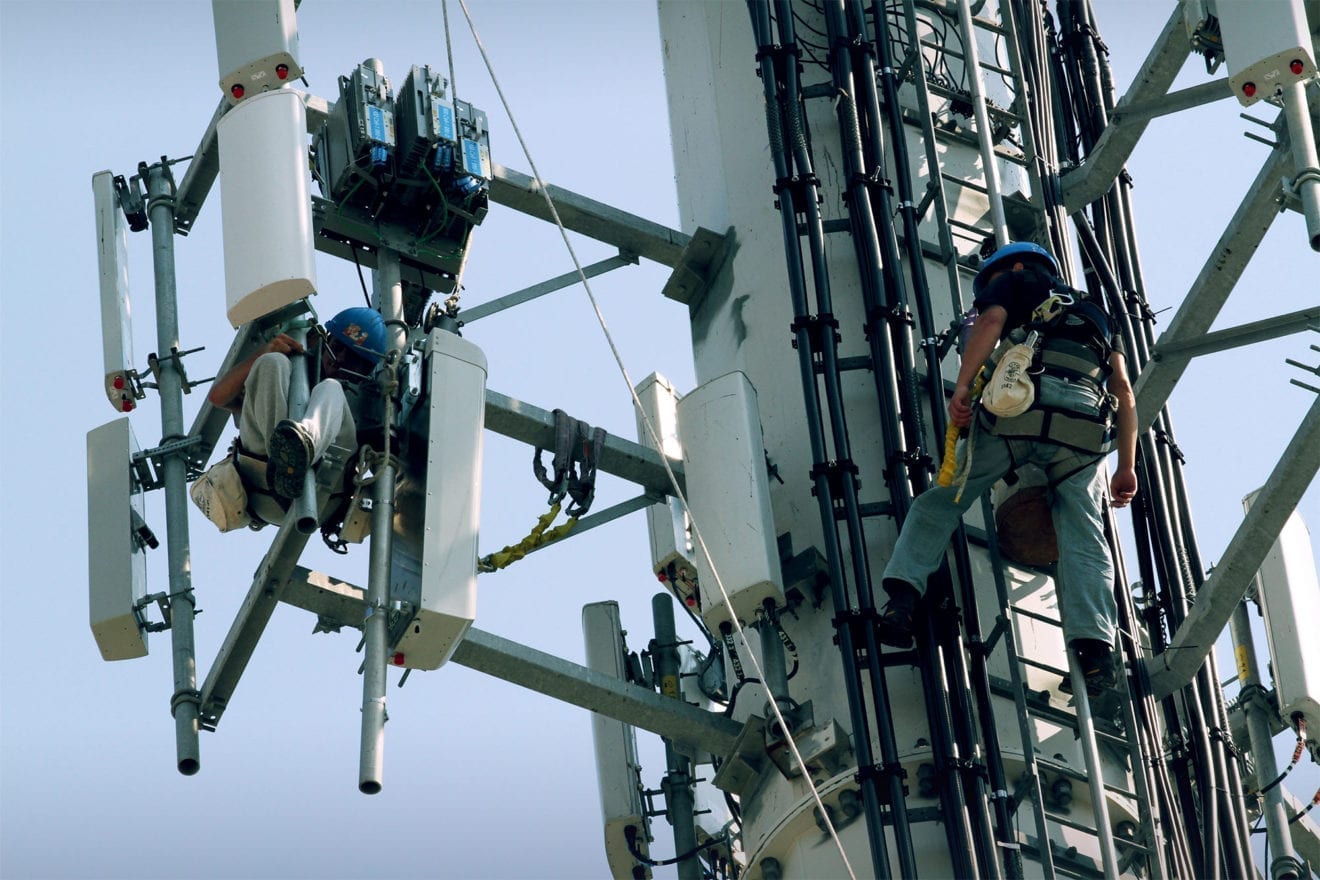
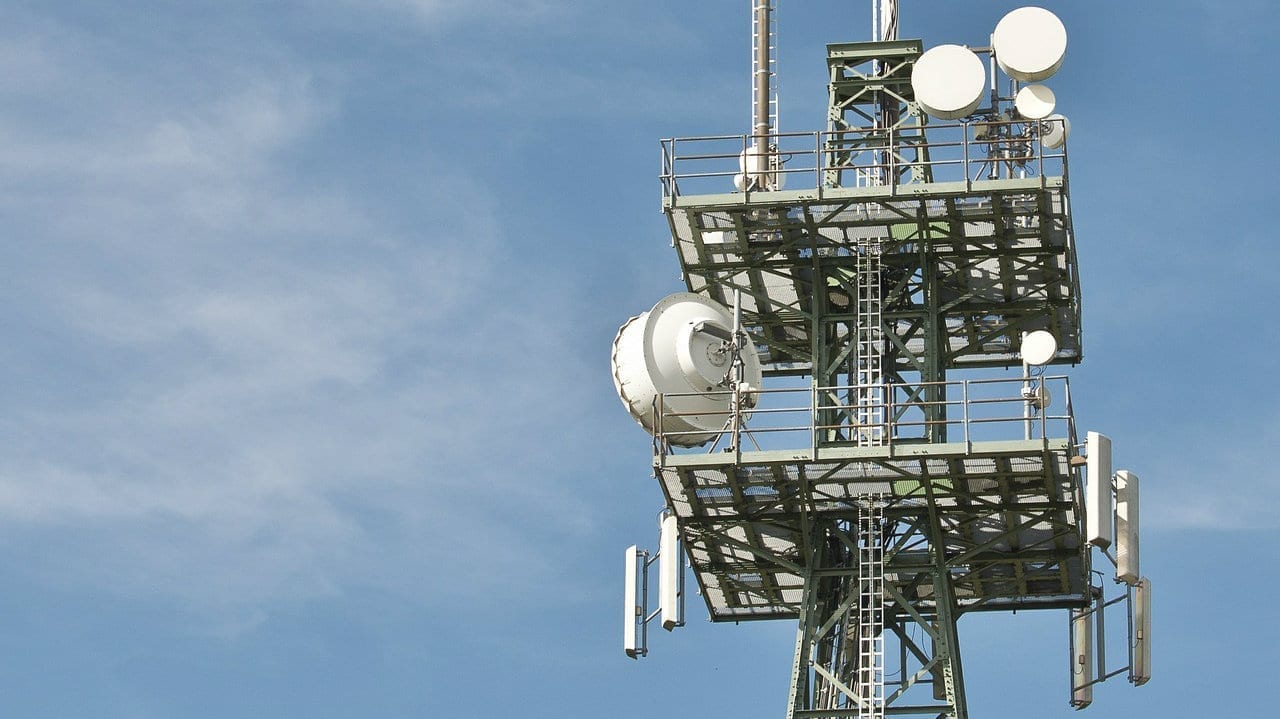
On land, the ministry plans to build disaster-resilient base stations, increase its fleet of vehicles equipped with satellite communication capabilities, and procure numerous mobile diesel generators. Lin identified that during recent typhoons, power outages at base stations, rather than network failures, were the primary cause of most mobile service disruptions. Mobile generators, he added, have served as an effective solution to this issue.
Through strategic investments in subsea cables, satellite systems, and terrestrial infrastructure, Taiwan aims to significantly bolster its communications network’s resilience against both natural and man-made disruptions.
What is the purpose of the proposed undersea cables?
The proposed undersea cables aim to strengthen the resilience of Taiwan’s national communications infrastructure, particularly during emergencies such as typhoons and earthquakes.
What will the new cables feature to enhance their durability?
The new cables will incorporate an armor-like protective layer designed to minimize potential damage from natural disasters or external interference.
What other measures are included in Taiwan’s strategy to strengthen its communications infrastructure?
In addition to the undersea cables, Taiwan plans to incorporate low-Earth-orbit (LEO) satellite capacity, initiate a high-orbit geosynchronous satellite, build disaster-resilient base stations, increase its fleet of vehicles equipped with satellite communications, and procure numerous mobile diesel generators.