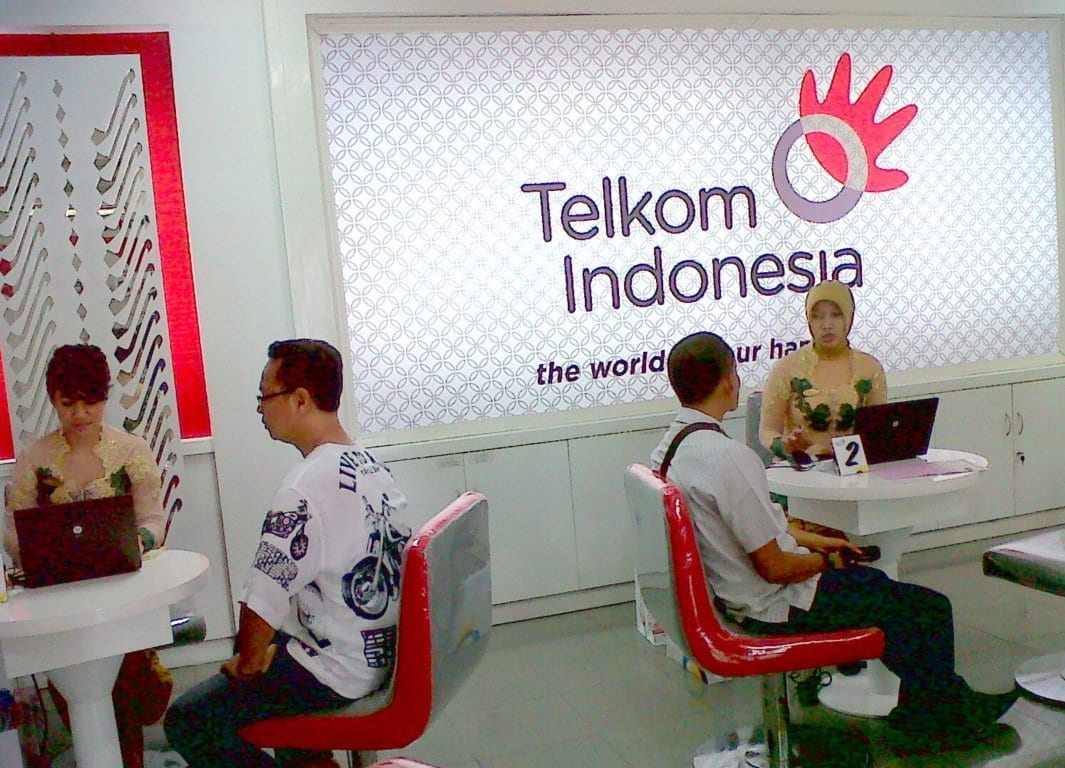
Indonesia’s state-owned telecommunications corporation, Telkom Indonesia, recently announced that its independent shareholders have given the green light to partition the company’s wholesale fiber connectivity business and assets. The assets will be transferred to the company’s Fiber-To-The-Home (FTTH) subsidiary, Telkom Infrastruktur Indonesia (TIF), also colloquially known as InfraNexia. Telkom initially shared its plan in September and finalized it in October, with the split slated for execution in two stages.
The initial phase will witness InfraNexia assuming control of more than half of Telkom’s fiber network infrastructure. This includes elements such as access, aggregation, backbone, and other supporting infrastructural components. The second phase involves InfraNexia obtaining the rest of the fiber assets from Telkom, a process expected to reach completion in the second half of 2026. The total asset value is projected to be IDR 90 trillion (USD 5.4 billion).
Despite the spinoff, Telkom will maintain a hefty 99.9% ownership stake in InfraNexia. Telkom has expressed that this division will enhance operational and investment cost efficiencies. Moreover, it aims to transform InfraNexia into a new growth catalyst for the group, with a particular focus on the development of the wholesale fiber business, forging opportunities for network sharing, and forming strategic partnerships. This strategic shift is vital, given that Telkom’s wholesale fiber capacity is only approximately 40% utilized, primarily by its mobile division, Telkomsel.
The partition needed approval from independent shareholders, who lent their support to the plan during an Extraordinary General Meeting of Shareholders (EGMS).
Telkom’s President Director, Dian Siswarini, expressed that this separation is also a crucial facet of the company’s TLKM 30 strategy. This strategy is designed to metamorphose Telkom into a strategic holding firm that boasts a more niche, nimble, and internationally competitive digital telecommunications profile.
The approval of the asset and business separation strengthens Telkom’s transformation agenda, aimed at building a more agile and focused business structure. This will enable Telkom to augment its contribution to the acceleration of national digitalization and generate added value for companies, stakeholders, communities, and the nation.
What is the purpose of the split in Telkom’s business?
The split is aimed at enhancing operational and investment cost efficiencies, transforming InfraNexia into a new growth catalyst for the group, and focusing on the development of the wholesale fiber business.
How much of the ownership stake in InfraNexia will Telkom retain after the split?
Post-separation, Telkom will retain a 99.9% ownership stake in InfraNexia.
What does Telkom’s TLKM 30 strategy entail?
The TLKM 30 strategy aims to transform Telkom into a strategic holding company with a more focused, agile, and globally competitive digital telecommunications profile.