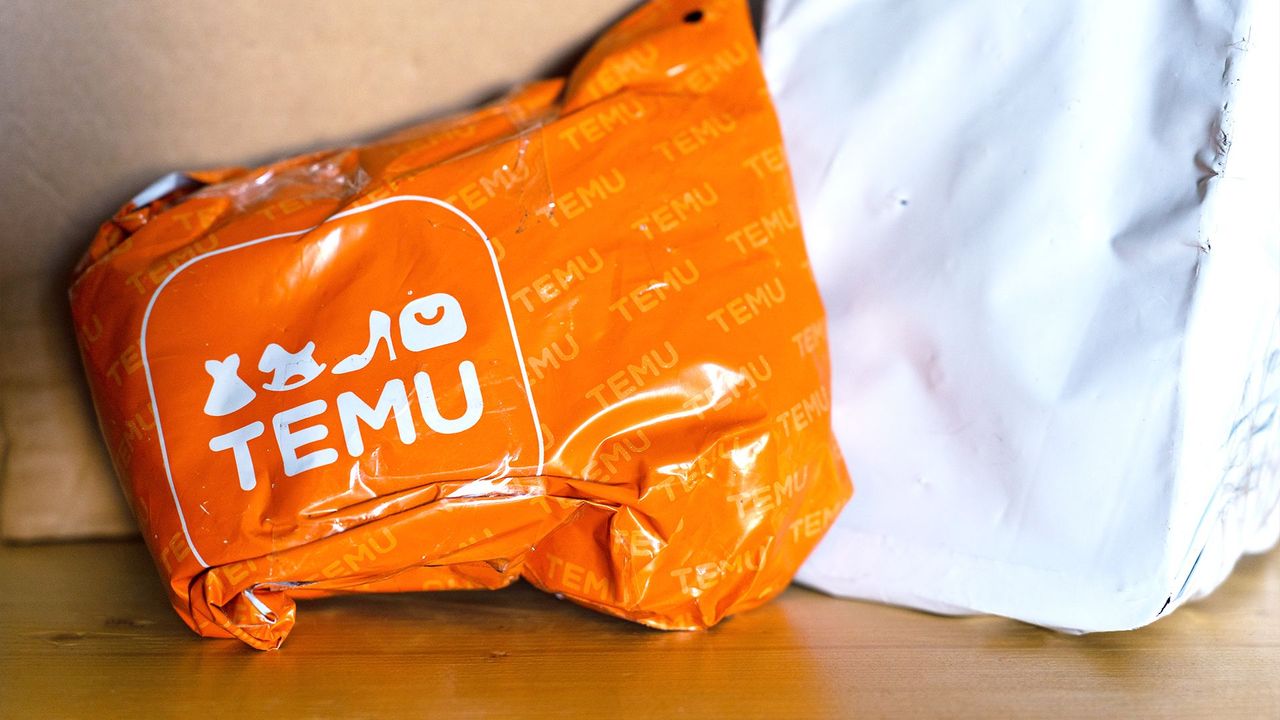
In a significant shift, Temu, a rising star in the Chinese e-commerce sector, has jacked up prices for Pakistani consumers by as much as 300%. This steep increase comes on the heels of the Pakistani government’s recent decision to impose new taxes on online sellers, a move that has sent ripples across the country’s digital marketplace.
Industry analysts are concerned that these tax measures could dampen consumer spending and stifle the burgeoning digital economy in Pakistan. With prices soaring, one has to wonder if shoppers still have the appetite for online bargains, or if they’ll be forced back to traditional markets — a twist that would surely turn the tables on the e-commerce revolution.
As online platforms like Temu adapt to this fiscal landscape, consumers find themselves at a crossroads. The new tax burdens could hinder the growth of digital commerce just when it was beginning to flourish, raising questions about the long-term implications for businesses and buyers alike.
Questions & Answers
How has Temu’s pricing policy changed in Pakistan?
Temu has increased prices for its products in Pakistan by up to 300%, attributed to the government’s new taxes on online sellers.
What impact might these tax measures have on consumers?
Experts believe that the new tax measures could negatively affect consumer spending and slow the growth of Pakistan’s digital economy.
Are there concerns about the future of e-commerce in Pakistan?
Yes, there are significant concerns that the tax increases could stifle the rapid growth of digital commerce, limiting options for consumers and affecting overall market dynamics.