Thaco is gearing up to revolutionize Vietnam’s transportation landscape with an ambitious high-speed railway project that promises to reshape connections between major cities. The company plans to cover 20% of the project’s costs and seek loans from both domestic and international financial institutions for the remainder, hoping to secure government guarantees and interest coverage for a whopping 30 years. Notably, the estimated costs do not include expenses related to land compensation and resettlement, which the government will manage as a separate undertaking.
To spearhead this monumental infrastructure endeavor, Thaco intends to establish a dedicated company while maintaining a controlling interest, inviting local corporations to invest in this groundbreaking initiative. However, the company has made it clear that stakes or operational rights will not be sold to foreign investors.
The ambitious project is designed to unfold over seven years, divided into two phases. The first five years will concentrate on notoriously crowded routes connecting Hanoi to Ha Tinh Province and Ho Chi Minh City to Khanh Hoa Province. The subsequent two years will focus on linking these two vital sections, a task complicated by challenging terrain that necessitates extensive surveys and custom technical designs.
In a bid to ensure cutting-edge standards, Thaco plans to implement electrified technology and collaborate with firms from Germany, France, Japan, and South Korea. But there’s a twist: while these international partners will provide technology, Thaco is also committed to training local personnel in these advanced disciplines.
With a vision to transform transportation throughout the country, Thaco anticipates this project will significantly boost growth in foundational sectors. Additionally, they seek a 70-year contract to operate the railroad, claiming priority access to land designated for developing urban residential areas for resettlement purposes. In February, Prime Minister Pham Minh Chinh urged Thaco to consider technology transfer for the manufacturing of railway carriages and locomotives as part of the high-speed railway initiative.
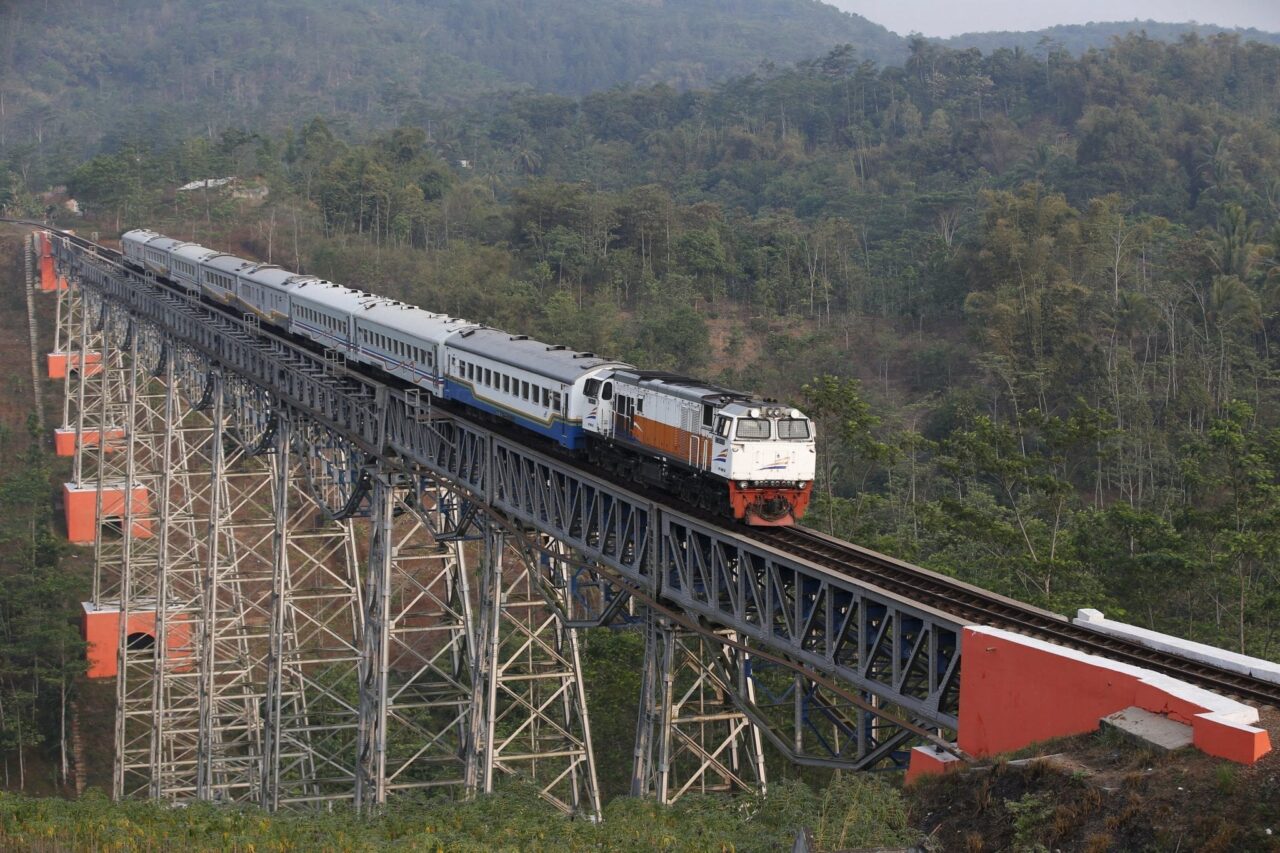
The National Assembly has approved a route stretching an impressive 1,541 kilometers from Hanoi to Ho Chi Minh City, traversing 20 provinces and cities. Designed to accommodate speeds of up to 350 kilometers per hour, with a 1.435 m double-track gauge, the rail line will feature 23 passenger and five freight stations. A feasibility study is set to kick off in 2025, with the project completion targeted for 2035.
Thaco isn’t alone in this venture. VinSpeed, backed by Vietnam’s wealthiest individual, Pham Nhat Vuong, also aims to construct the railway. They have offered to cover 20% of the costs while seeking a staggering US$49 billion interest-free loan from the government over 35 years. Like Thaco, VinSpeed has requested government assistance with land acquisition and promises to begin operations within five years after construction starts.
Founded in 1997 by Tran Ba Duong, Thaco has evolved from a modest automobile manufacturing business into a sprawling conglomerate that spans industrial production, logistics, agriculture, and infrastructure. Its production hub in Quang Nam represents Vietnam’s largest automobile manufacturing facility and stands as a testament to its growth and ambitions.
As it plunges into major national infrastructure projects, Thaco’s latest venture could very well be a game-changer for Vietnam’s economy—after all, who wouldn’t want to zoom across the country at lightning speed?
What is Thaco’s strategy for financing the railway project? Thaco plans to contribute 20% of the costs and secure the rest through loans from domestic and international financial institutions, seeking government guarantees and interest coverage.
How long will the high-speed rail project take to complete? The project is expected to be completed in seven years, divided into two phases focusing on different crowded travel sections and linking them thereafter.
What other companies are interested in the railway construction? VinSpeed, controlled by Vietnam’s richest man, Pham Nhat Vuong, has also expressed interest and proposed a significant investment plan for the project.