The Thai government is weighing a tax on physical gold trading as a strategy to temper the surging value of the baht, a move that could have significant repercussions for the country’s export and tourism sectors.
Discussions are ongoing between the Bank of Thailand and the Ministry of Finance regarding a potential tax on gold transactions conducted online and settled in baht, according to sources familiar with the matter. However, the proposed tax may provide exemptions for gold traded in U.S. dollars, gold futures exchanges, or purchases made directly from bullion shops.
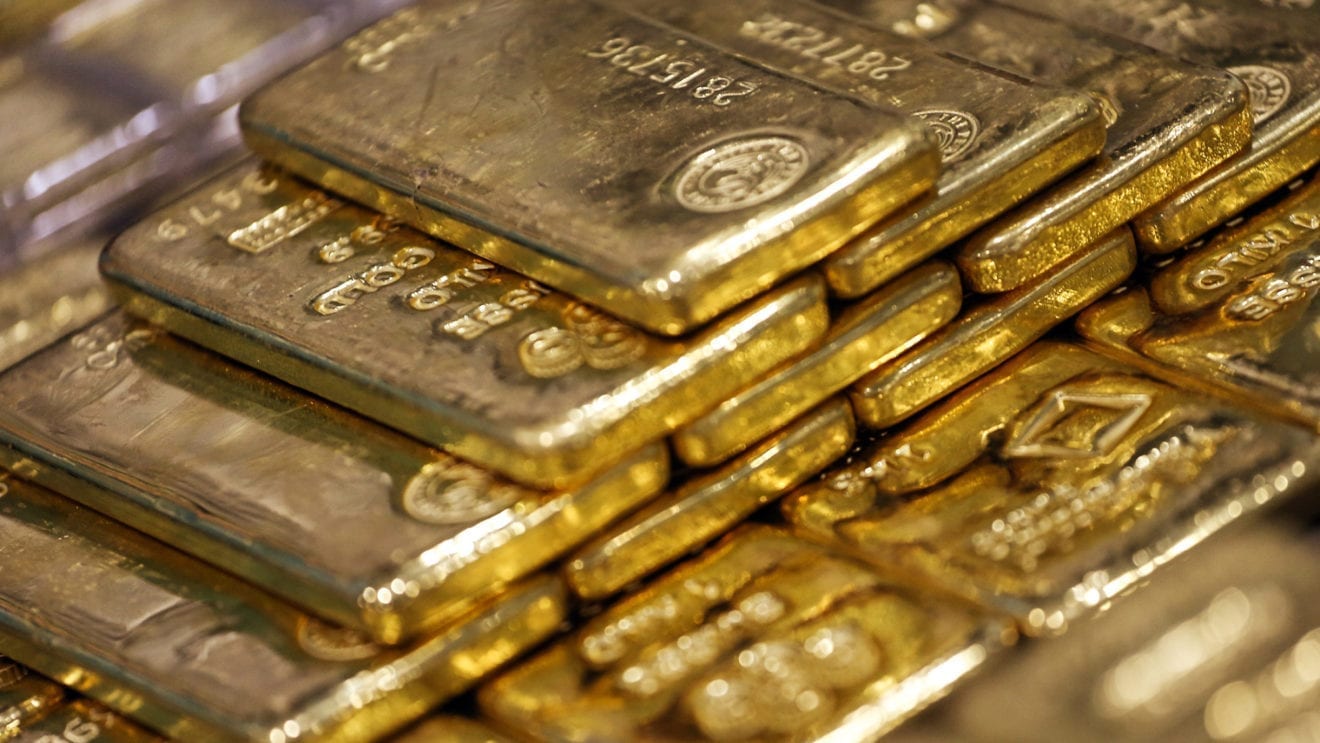
The primary objective behind this tax initiative is twofold: to diminish gold exports and to raise the cost of gold ownership for Thai citizens. The demand for physical gold has surged impressively, with Thailand witnessing a staggering 69% increase in gold exports, amounting to THB254 billion (approximately US$8 billion) in the first seven months of 2025 compared to the same period last year.
In a recent meeting, the central bank engaged with representatives from the Thai Gold Traders Association, urging them to scrutinize bullion transactions settled in baht more closely. This call to vigilance aims to mitigate currency risks and thwart any illicit activities related to gold trading.
The baht has eclipsed other regional currencies this year, appreciating nearly 7% since January, as reported by The Nation. This rise has largely been fueled by a greater-than-expected current account surplus and soaring global gold prices. While it may make Thai gold gleam brighter, the stronger currency casts a shadow over the nation’s vital export and tourism industries, which jointly account for 70% of Thailand’s GDP.
The Federation of Thai Industries has chimed in, suggesting the ideal baht exchange rate should hover between THB34-35 per U.S. dollar, rather than the current THB31-32. Additionally, they recommend that gold trading be excluded from current account calculations to lessen its impact on the baht’s valuation. Who would have thought that shiny gold bars could have a hand in steering the direction of a nation’s economy?
What is the Thai government’s proposed tax aimed at?
The proposed tax on physical gold trading is intended to curb gold exports and increase the cost of gold ownership for Thais, thereby influencing the value of the baht.
How much did Thailand’s gold exports increase in 2025?
Gold exports from Thailand surged by 69%, reaching THB254 billion (approximately US$8 billion) in the first seven months of 2025 compared to the same period last year.
What challenges does the stronger baht pose for Thailand?
The appreciation of the baht presents challenges for the export and tourism sectors, which together constitute 70% of Thailand’s GDP, as a stronger currency can make Thai goods more expensive for foreign buyers.