Urban retail is undergoing one of the most dramatic shifts in decades. Once defined by department stores, shopping malls, and busy downtown corridors, the retail landscape is being reinvented. The traditional model of purely transactional retail—where consumers simply enter, purchase, and leave—is giving way to something more dynamic: a blend of community, lifestyle, and commerce. This transformation is shaping how people shop, socialize, and connect in cities across the world.
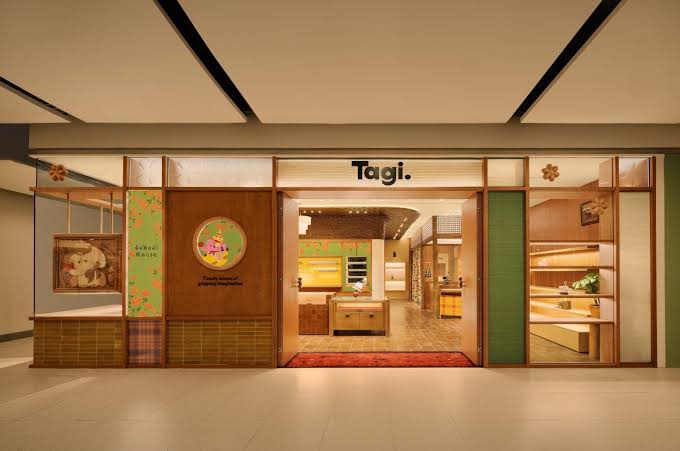
Today’s consumers want more than products; they want experiences. A clothing boutique is no longer just about racks of apparel—it’s about the story, the environment, and the connection that comes with the purchase. Urban retailers are responding by rethinking how they engage with customers. Spaces are being designed to foster exploration, encourage interaction, and create memories.
For instance, some bookstores have reinvented themselves as community hubs with cafés, live readings, and co-working spaces. Fitness studios are merging with retail, selling branded lifestyle apparel and healthy snacks. Even grocery stores are reimagining themselves with in-store dining, cooking classes, and events that make shopping less of a chore and more of an outing.
A big driver of this change is the rise of hybrid spaces—retail concepts that combine shopping with entertainment, hospitality, or wellness. These spaces turn a visit into an experience rather than just a transaction. Picture walking into a sneaker store that doubles as an art gallery, or a coffee shop where you can also browse vinyl records or vintage clothing.
These hybrid spaces not only attract diverse audiences but also encourage customers to linger longer, deepening brand connection. In dense urban centers, where competition for attention is fierce, creating places that offer multiple reasons to visit is becoming essential.
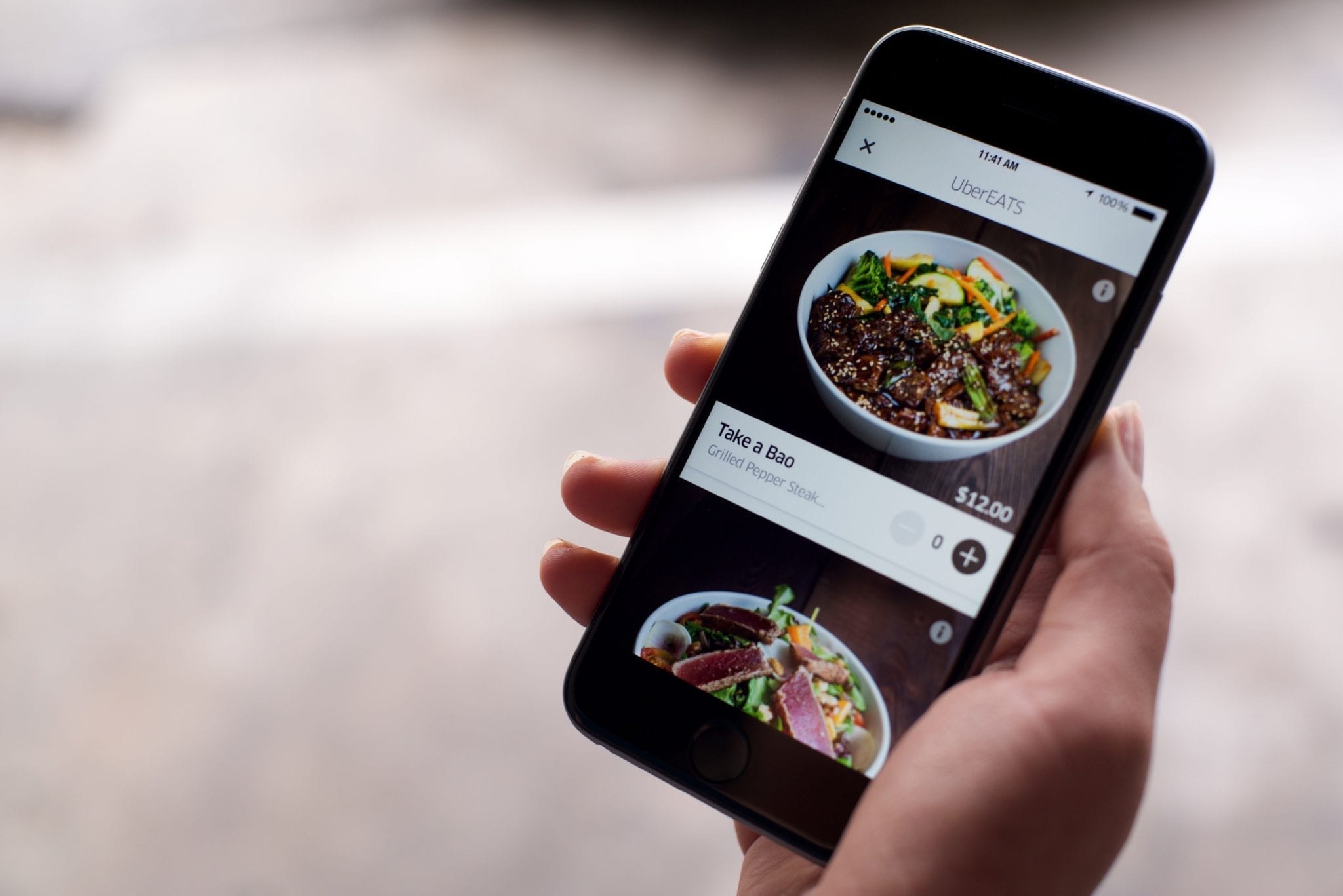
No conversation about the future of retail is complete without technology. Smartphones have fundamentally reshaped consumer behavior, and urban retailers are weaving digital experiences into physical storefronts. QR codes, augmented reality, and virtual try-ons allow customers to interact with products in new ways. Mobile apps seamlessly connect in-store purchases with online accounts, loyalty programs, and home delivery services.
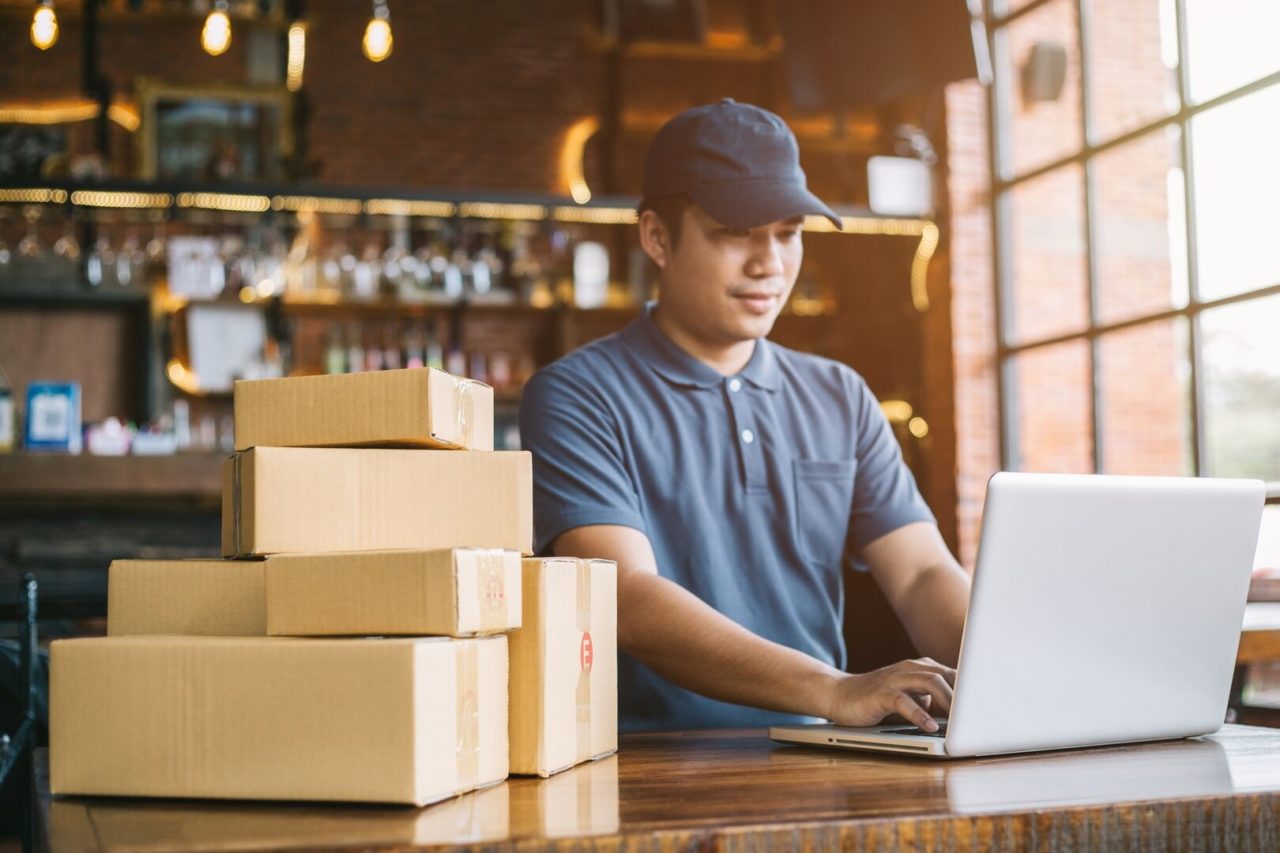
Rather than seeing e-commerce as a threat, many retailers are embracing it as part of a holistic ecosystem. Click-and-collect options, in-store pickup for online orders, and even live-streamed shopping events held inside stores are blurring the lines between the physical and digital worlds. The best retailers understand that the modern customer doesn’t want to choose between convenience and community—they want both.
Another defining aspect of the urban retail transformation is the embrace of local identity. Consumers are increasingly drawn to brands that reflect the character of their city or neighborhood. Pop-up markets, collaborations with local artists, and limited-edition product drops create a sense of uniqueness and exclusivity.
Retailers that invest in community engagement—whether by hosting workshops, sponsoring neighborhood events, or giving back through local partnerships—are earning loyalty beyond the transaction. For many city dwellers, shopping at a store isn’t just about what they buy, but about what that brand represents in their lives and their communities.
Retail is also intersecting with broader lifestyle movements. Wellness, fitness, and sustainability are increasingly integrated into the retail experience. Urban consumers expect retailers to support not just their shopping needs but their values and aspirations. That’s why many stores now highlight eco-friendly products, showcase transparent sourcing, and design spaces that feel restorative and inspiring.
As Aaron Keay has pointed out in discussions about consumer shifts, the lines between industries—health, tech, retail, and hospitality—are disappearing. The next generation of urban retail spaces will reflect this convergence, offering products and experiences that align with consumers’ desire for healthier, more intentional living.
Investors are paying close attention to these shifts. Traditional retail models have struggled in recent years, but those embracing innovation and community-driven experiences are gaining momentum. For entrepreneurs and investors, the opportunity lies in supporting concepts that merge lifestyle with commerce in creative, scalable ways.
Aaron Keay has emphasized that the future belongs to retailers who create ecosystems rather than standalone storefronts. These ecosystems thrive on blending digital engagement, physical experiences, and meaningful community ties.
The urban retail landscape of the future will look very different from the malls of yesterday. It will be defined by spaces that are social, experiential, and deeply connected to the neighborhoods they serve. The winners will be the brands that move beyond the transaction to build real community, blending lifestyle and commerce in ways that feel authentic and exciting.
As consumers continue to demand experiences that enrich their lives, urban retail has a chance to redefine itself—not just as a place to shop, but as a vital part of the cultural and social fabric of the city.