
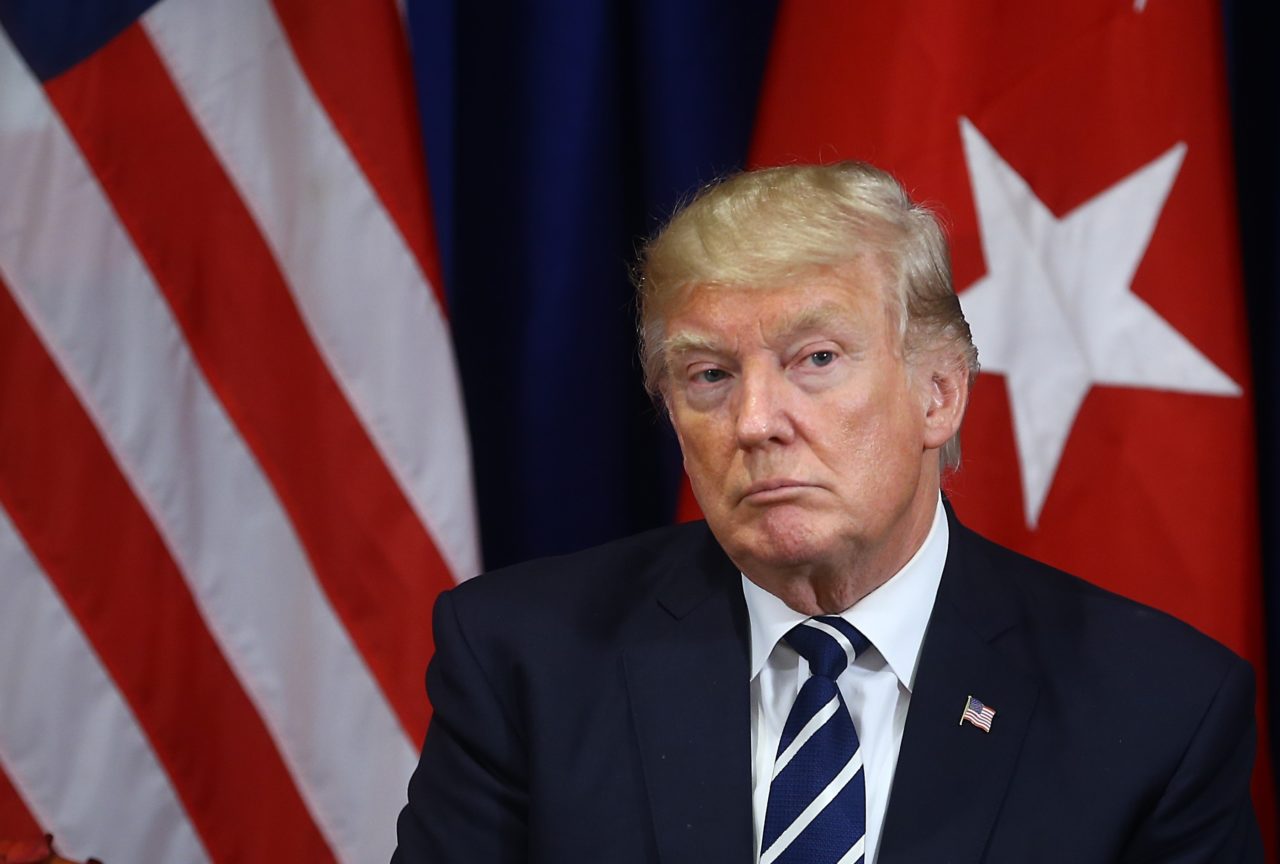
In a significant development for international shipping, duty-free shipments to the U.S. for low-value commercial packages will come to a halt for all countries starting August 29, according to an announcement from the White House on Wednesday. This decision particularly affects the “de minimis” exemption, which had previously allowed packages valued under $800 to enter the U.S. without incurring customs duties.
The move is part of a broader strategy by the Trump administration to address what it describes as rampant duty evasion, and it also targets the importation of synthetic opioids. The suspension of this exemption aims to crack down on the increasing flow of illicit drugs entering the country, a situation that has raised significant health and safety concerns.
While industry stakeholders weigh the implications of this change, the new regulation might come as a surprise to many small businesses and shoppers who have enjoyed the ease of duty-free imports. It’s a stark reminder that even the smallest packages can bear hefty consequences in the complex world of international trade.
What is the “de minimis” exemption?
The “de minimis” exemption allows low-value packages under $800 to be imported into the U.S. without incurring customs duties, simplifying the process for international shoppers and businesses.
Why has the U.S. government decided to suspend this exemption?
The suspension is aimed at combating duty evasion and addressing the influx of synthetic opioids, which poses serious public health risks.
How might this affect businesses and consumers?
Businesses that rely on international shipments for low-value products may see increased costs and delays due to the new regulations, while consumers could face higher prices or be deterred from purchasing goods from abroad.