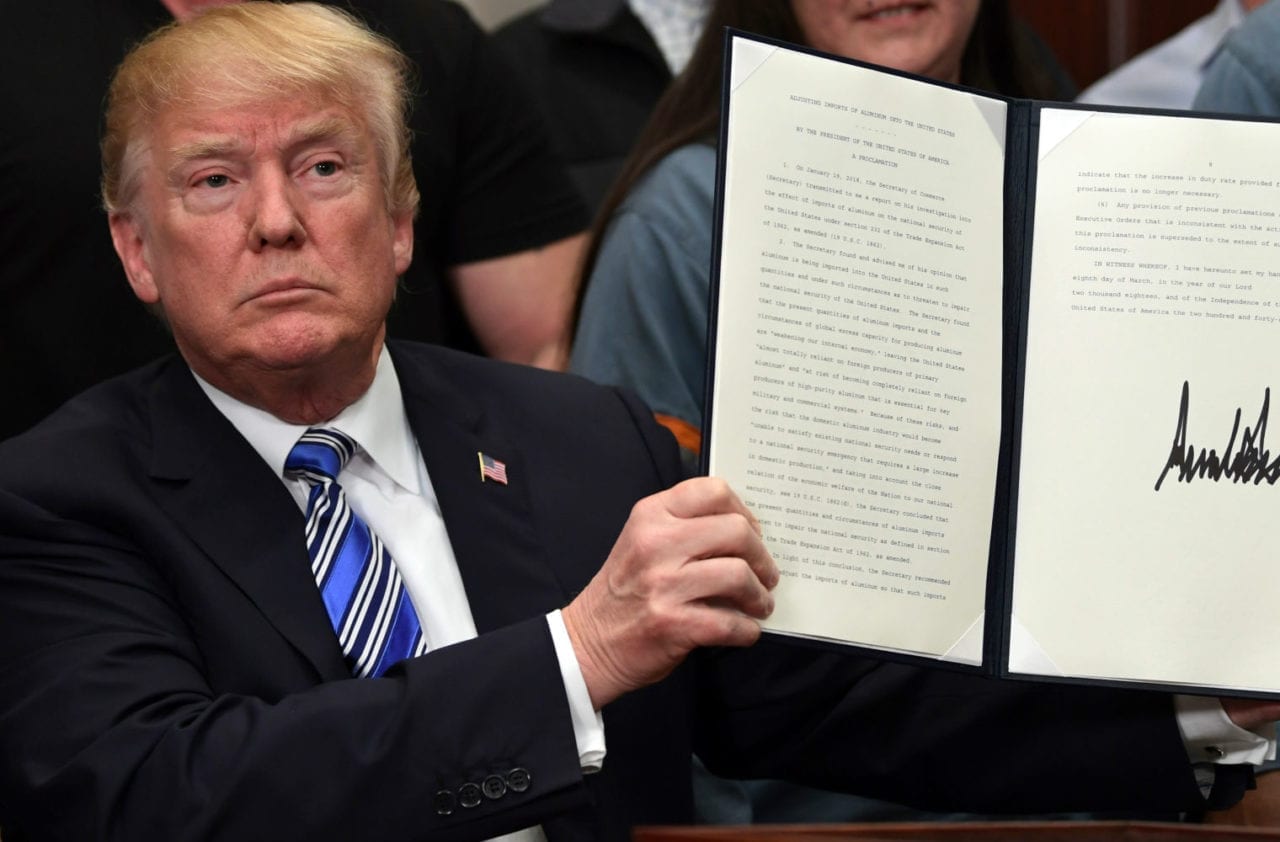
In a bold move that echoes his unyielding stance on trade, President Trump has unveiled an executive order imposing new tariffs ranging from 10% to 41% on imports from 69 trading partners, just hours ahead of a critical deadline. This development places additional pressure on countries that have either failed to negotiate favorable terms or have offered what Trump deems insufficient trade concessions. As a blanket measure, goods from countries not specified will now face a 10% tariff rate.
The reasoning behind this order stems from Trump’s assertion that many trading partners have not aligned adequately with U.S. economic and national-security interests, stating, “they have offered terms that, in my judgment, do not sufficiently address imbalances in our trading relationship.” It’s a strategy that could leave many retailers scratching their heads as they juggle the implications of these tariffs in the marketplace.
In a notable shift regarding Canada, Trump announced a separate increase in tariffs on Canadian goods related to fentanyl to 35%, up from a previous 25%. This decision underscores a growing divide over cooperation on drug trafficking issues. In stark contrast, he has granted Mexico a respite from imminent higher tariffs, allowing an additional 90 days for discussions towards a comprehensive trade agreement.
A U.S. official conveyed optimism about upcoming trade agreements, remarking, “We have some deals,” and adding that they wish to avoid jumping the gun in announcements. This wave of negotiations highlights the mixed landscape of international trade as relations with Canada and Mexico diverge significantly. While a summit telephone call between Trump and Mexican President Claudia Sheinbaum led to an agreement avoiding a 30% tariff increase on compliant goods, it seems that Canada’s diplomatic efforts fell short of expectations.
Approximately 85% of all U.S. imports from Mexico meet the USMCA’s rules, thus evading a hefty 25% tariff tied to fentanyl concerns. Trump also confirmed that the U.S. intends to maintain a hefty 50% tariff on Mexican steel, aluminum, and copper, in addition to those on autos that don’t meet USMCA standards.
Meanwhile, South Korea has reached an agreement to accept a 15% tariff on automotive exports to the U.S., incentivized by a tantalizing pledge to invest $350 billion in U.S. projects selected by Trump. This deal contrasts sharply with India’s precarious position, where negotiations have stalled, and a potential 25% tariff looms due to disputes over agricultural market access, combined with threats surrounding India’s significant Russian oil imports.
The mounting tariffs have begun to elicit reactions from consumers, with recent reports showing a rise in prices for home goods, recreational items, and clothing—an unwelcome trend many aren’t ready for. In June, the Commerce Department reported a 1.3% spike in home furnishings prices, with early indications that these tariffs are affecting consumers’ wallets more than just on paper.
In a dramatic uptick, Trump targeted Brazil with a steep 50% tariff while also narrowing the categories exempt from these tariffs, further amplifying tensions with Latin America’s largest economy. As these trade policies unfold, they’re simultaneously landing in the crosshairs of judicial scrutiny, as federal appeals court judges question the legality of Trump’s reliance on the International Emergency Economic Powers Act for justifying these broad measures. Observers are eagerly awaiting developments as the court evaluates whether these tariffs violate executive authority.
As the U.S. grapples with its trade relationships amid a growing deficit, both Treasury Secretary Scott Bessent and U.S. negotiators remain cautiously optimistic about a deal with China, which is teetering on a precarious deadline. With preliminary agreements already in the works, the real question is whether all parties can expedite negotiations before tensions flare again.
What key countries are affected by Trump’s new tariffs?
The new tariffs target 69 trading partners, including heightened rates on Canadian goods and a separate arrangement with South Korea.
How are these tariffs impacting consumer prices?
Recent data indicates a rise in consumer goods prices, particularly in home furnishings and clothing, reflecting the economic influence of these tariffs.
What legal challenges are surrounding Trump’s tariff initiatives?
Judicial skepticism has emerged regarding Trump’s use of emergency powers to impose tariffs, with federal judges questioning the extent of his executive authority during ongoing legal proceedings.