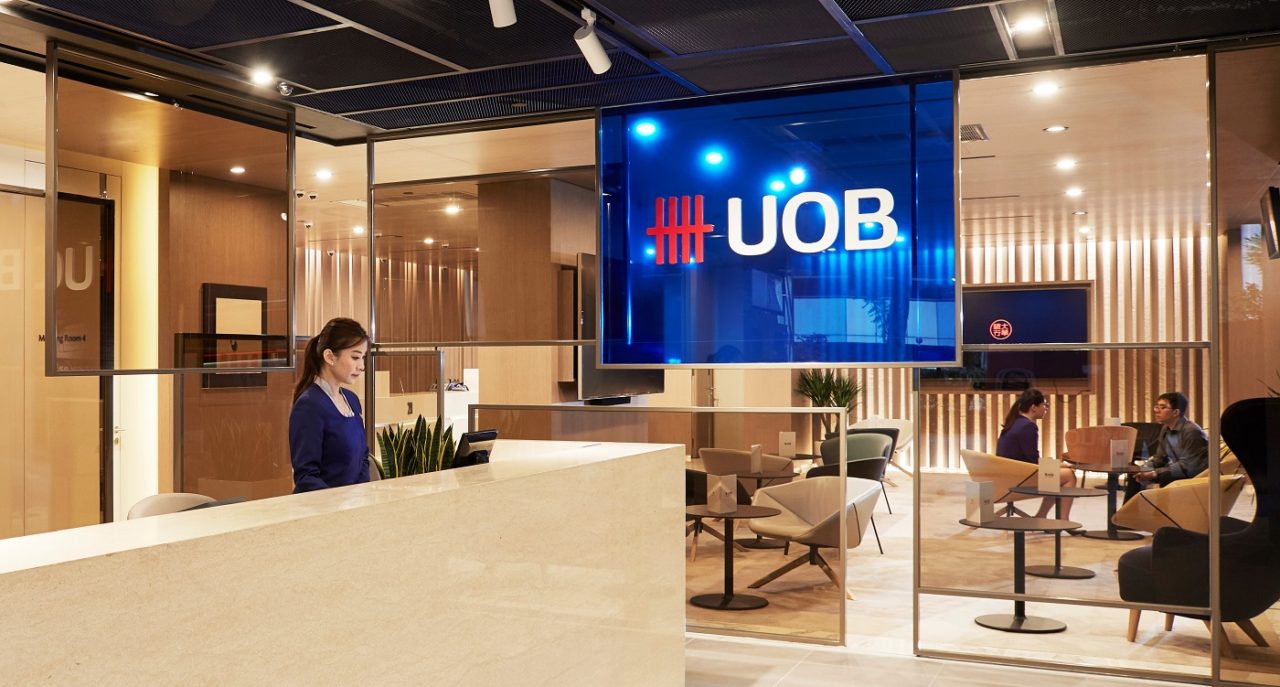
United Overseas Bank (UOB) has reported a mixed bag for the second quarter of 2025, with a robust expansion in deposits but a concerning rise in bad loans. According to UOB Kay Hian analyst Jonathan Koh, the bank’s current account savings account (CASA) ratio climbed to 56.5%, marking a five-percentage-point jump compared to the previous quarter. This uptick is complemented by a 14% year-on-year growth in CASA balances, amidst a 7% decline in fixed deposits over the same period.
However, as depositors celebrated the bank’s stability, there was unease surrounding its asset quality. Koh highlighted that UOB’s non-performing loan (NPL) formation surged to S$472 million in Q2, with NPLs in the “others” category increasing by S$110 million year-on-year, largely attributed to exposure in the commercial real estate sector in the USA.
The rising tide of NPLs also affected dealings in Greater China, which saw an increase of S$282 million compared to the same quarter in 2024. Yet amidst these challenges, UOB’s NPL ratio remained steady at 1.6%, bolstered by upgrades, recoveries, and write-offs totaling S$430 million, according to Koh.
Looking towards the future, Koh addressed the economic landscape, suggesting the initial effects of reciprocal tariffs will be manageable. “Management is more concerned about the second-order impacts stemming from a slowdown in business investment and domestic consumption,” he noted, suggesting that the real ripple effects may unfold in the coming months.
In terms of UOB’s exposure to international markets, Koh indicated that corporate clients with exports to the US account for 10-25% of their total sales, which translates to about 1.3% of UOB’s total loans. “Notably, around 80% of UOB’s wholesale business is tied to the domestic economy and intra-regional trade, with trade loans representing 10% of total loans, out of which 20-30% involves companies looking toward the US market,” he added.
With economic currents fluctuating, UOB’s strategy appears anchored in resilience while navigating the potential challenges ahead. As retail and corporate sectors brace for what’s next, whispers of forthcoming adjustments and prudent measures are already echoing across the financial landscape.
What factors contributed to the rise in UOB’s non-performing loans?
The increase in non-performing loans was primarily driven by elevated formations, especially in the commercial real estate sector in the USA and an uptick in NPLs for Greater China.
How did UOB’s deposit growth perform in the second quarter?
UOB reported a 14% year-on-year growth in CASA balances, alongside a notable improvement in its CASA ratio, which reached 56.5%, although fixed deposits declined by 7% in the same timeframe.
What concerns did UOB Kay Hian’s analyst express regarding economic conditions?
Analyst Jonathan Koh highlighted concerns over second-order impacts from a potential slowdown in business investment and domestic consumption, while suggesting that the direct effects of reciprocal tariffs would be manageable.