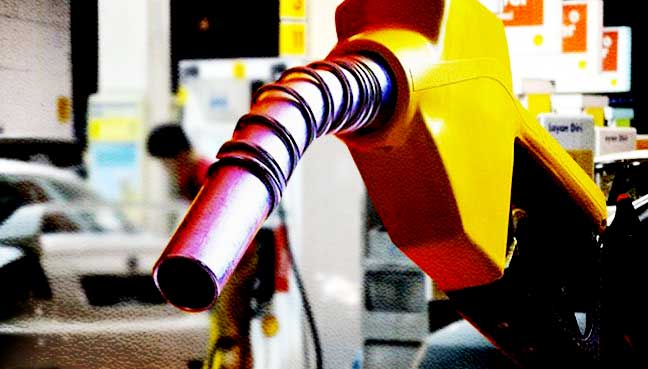
Last Thursday, Vietnam experienced a significant surge in gasoline prices, which increased by 20% to reach their highest level since July 2022. This sharp rise is linked to ongoing conflicts in the Middle East, which have prompted a double-digit escalation in global prices. The most commonly used fuel in the country, RON95, saw a 20% boost, pricing it at VND30,690.
In addition to RON95, the price of Biofuel E5 RON92 also saw a substantial rise of 20.7%, elevating it to VND22,170. Diesel prices also spiked, with a 23.7% increase bringing the cost to VND33,420. Compared to prices at the end of February, just before the onset of the Middle East conflict, RON95 and diesel are now 52% and 73% more expensive, respectively.
The global petroleum market has been heavily influenced recently by factors such as proliferating tensions resulting from the military clashes involving the U.S., Iran and Israel. This situation is made more problematic by Iran’s control over the Strait of Hormuz. Around the world, RON95 gasoline has risen by 16.4% to $150.4 per barrel. Other fuels have also seen increases, with diesel up by 18.6%, kerosene by 28.8%, and fuel oil by 13.1%.
In response to these skyrocketing prices, the Vietnamese government has stepped in to subsidize diesel by VND4,000 per liter and gasoline and other fuels by VND3,000. This marks the sixth consecutive time subsidies have been employed to combat rising fuel costs. The cost of RON95 in Vietnam is now at its highest since a global fuel crisis sparked by the Russia-Ukraine conflict in July 2022. However, it remains lower than the peak level of VND32,870 established in June 2022. Concurrently, kerosene and fuel oil prices have reached their highest point since 2019.
From the start of the year to March 15, Vietnam imported nearly 2.71 million tonnes of petroleum products, valued at over $1.94 billion, representing a year-on-year increase of 42–43%. In the first half of March alone, import volumes surged by 41.4%, pushing import value up by 89.2% compared to the same period last year. In order to secure energy security, Prime Minister Pham Minh Chinh has been in contact with multiple countries’ leaders and met with ambassadors in Vietnam to appeal for oil supply support. Simultaneously, the Ministry of Industry and Trade and the Ministry of Finance have extensively used the petroleum price stabilization fund and reduced the preferential MFN import tariff to 0% as a strategy to ease fuel prices.
During a meeting with the Energy Security Task Force on March 17, PM Chinh assured that despite the price hikes, fuel and energy supplies remain adequate to support production and consumption. Furthermore, he emphasized that the negative impacts on the public and businesses have been minimized as much as possible.
What was the impact of the Middle East conflict on fuel prices in Vietnam?
The conflict in the Middle East led to a 20% surge in gasoline prices in Vietnam, with popular fuel RON95 rising to VND30,690.
What measures has the Vietnamese government taken to curb rising fuel costs?
The government has provided subsidies for diesel and gasoline and other fuels to help keep prices manageable for consumers. This marks the sixth time in a row that the government has stepped in with subsidies.
How have Vietnam’s fuel imports been affected this year?
From the start of the year to mid-March, Vietnam imported nearly 2.71 million tonnes of petroleum products, representing a year-on-year increase of 42–43%. The value of imports also rose significantly, particularly in the first half of March.