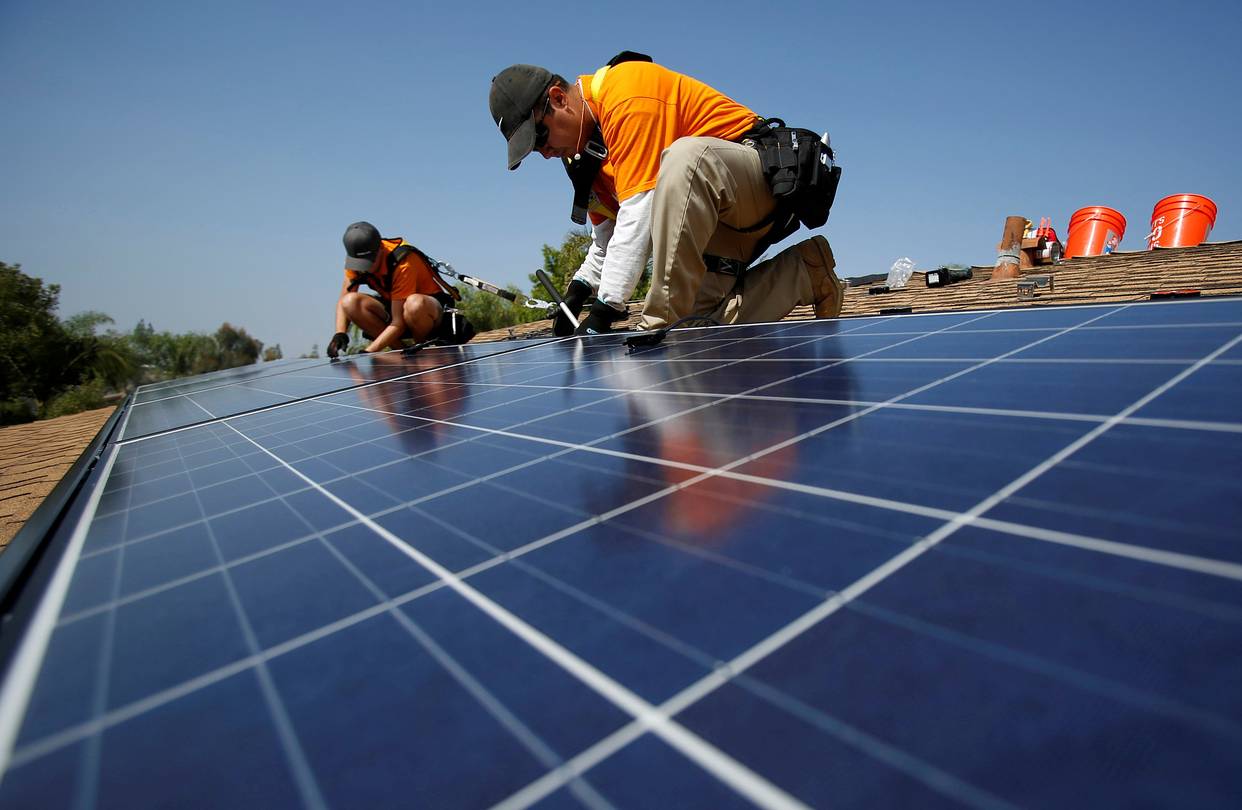
Vietnam’s renewable energy landscape is set to bloom, with projections indicating that the country’s total renewable power capacity will soar to 112.1 gigawatts by 2035. This impressive growth reflects a compound annual growth rate (CAGR) of 14.3% from 2024 to 2035, signaling a robust commitment to greener energy solutions.
According to GlobalData’s latest report, “Vietnam Power Market Outlook to 2035, Update 2025 – Market Trends, Regulations, and Competitive Landscape,” the Vietnamese power sector is ripe with opportunities. The report highlights how wind, solar, and biomass energy remain largely untapped resources with vast potential for expansion.
Between 2020 and 2024, Vietnam’s renewable power generation is expected to leap from 21.1 terawatt-hours (TWh) to 38.5 TWh, marking an impressive CAGR of 16%. This upward trajectory is anticipated to continue, with expectations of generating 179.6 TWh by 2035, reflecting a healthy CAGR of 15%.
The Vietnamese government has enacted a series of policies designed to foster this green energy revolution, including feed-in tariffs (FiTs) and the revised Power Development Plan 8 (PDP 8). This strategic plan aims for a diverse energy portfolio that encompasses natural gas, coal, hydroelectric, solar, and wind power, all while pursuing the ambitious target of achieving net-zero emissions by 2050.
“These initiatives are crafted to triple the installed power capacity by 2030, boost renewable energy growth, and enhance national energy security,” says Attaurrahman Ojindaram Saibasan, senior power analyst at GlobalData. While hydropower resources are nearing full capacity, the true potential for wind, solar, and biomass energy remains largely uncharted.
However, the journey towards a greener Vietnam isn’t without its challenges. “Large-scale renewable projects and liquefied natural gas (LNG) terminals demand significant capital investment,” Saibasan notes. He points out that financing hurdles continue to persist due to regulatory ambiguities, a lack of bankable power purchase agreements (PPAs), and limited access to favorable long-term financing. Fortunately, the government is actively seeking to alleviate these concerns through more investor-friendly policies.
What is Vietnam’s projected renewable power capacity by 2035?
Vietnam’s renewable power capacity is expected to reach 112.1 gigawatts by 2035, reflecting a compound annual growth rate of 14.3% from 2024 to 2035.
What are the key elements of Vietnam’s Power Development Plan 8?
PDP 8 aims to create a diversified energy portfolio that includes natural gas, coal, hydroelectric, solar, and wind power, with a long-term goal of achieving net-zero emissions by 2050.
What challenges does Vietnam face in developing its renewable energy sector?
Key challenges include regulatory uncertainty, the absence of bankable power purchase agreements, and limited access to favorable long-term financing, which the government is seeking to address with new investor-friendly policies.