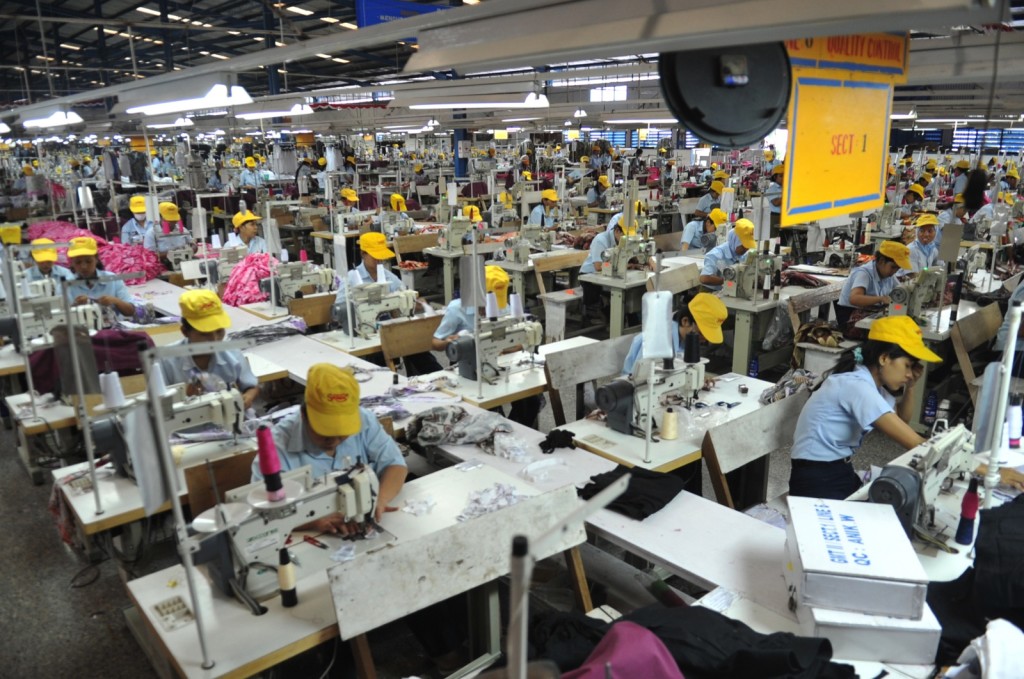
H&M Group is amongst the partners in the project. Vietnam’s textile and apparel industry is set to take a significant leap towards sustainability with the introduction of electric thermal technology later this year. The first steam-generating heat pump will be installed at a garment factory near Hanoi, marking a transformative moment in the sector.
This ambitious initiative brings together the expertise of the Apparel Impact Institute (Aii), WWF, H&M Group, and Bangjie, a notable textile manufacturer whose Hung Yen facility is a key supplier for the Swedish fashion powerhouse. This pilot project is the first electrification effort within Vietnam’s textile industry, which plays a crucial role in the national economy but also contributes significantly to its carbon emissions. The electric heat pump will replace traditional coal-fired boilers, meeting the facility’s full steam and heat requirements while providing a cleaner, more efficient solution.
This project aligns seamlessly with H&M Group’s commitment to reducing supply chain emissions by 56% by 2030, showcasing their drive towards a more sustainable future. Given that thermal energy accounts for more than half of the energy demand in textile manufacturing, the need for innovative solutions is pressing. Processes like dyeing, washing, bleaching, and drying all rely on steam and hot water, making the shift to electric systems even more vital.
The new heat pump system will not only harness waste heat from factory operations for dyeing, drying, and setting but also enhance indoor working conditions by improving air cooling. This multifaceted approach underscores a commitment to both productivity and employee well-being.
This initiative is part of Aii’s Low Carbon Thermal Energy Roadmap, which targets early-stage electrification pilots to drive costs down and foster broader adoption within the industry. It’s a promising step towards a more sustainable textile sector in Vietnam.
And who knows—this shift to electrification might just spark a fashion revolution, where eco-friendliness becomes the new chic!
What is the significance of the electric heat pump project in Vietnam?
The project represents Vietnam’s first major step towards electrifying the textile industry, replacing coal-fired boilers with cleaner, more efficient electric systems.
Which organizations are involved in this initiative?
The collaboration includes the Apparel Impact Institute (Aii), WWF, H&M Group, and Bangjie, the textile manufacturer behind the pilot project.
What are the expected benefits of the new system besides reducing emissions?
Beyond cutting emissions, the new system will improve operational efficiency, enhance indoor working conditions, and significantly reduce reliance on thermal energy sourced from coal.