“In this digital age, data has become the world’s most valuable resource, and subsea cables are the arteries through which it flows,” said Najib Khan, Chief Business Services Officer at Ooredoo Group. This vivid characterization underscores the escalating significance of subsea connectivity in today’s fast-paced, data-dependent world.
In a revealing interview with Telecom Review, Khan articulated the shift of subsea cables from obscure utilities to critical assets for national security and economic growth. He elaborated on how Ooredoo’s substantial investments are reconfiguring the Gulf’s digital landscape and its ambitions to establish the Middle East as a prominent global digital hub.
Subsea cables, which already carry over 95% of the world’s internet traffic, are no longer the unsung heroes of the digital economy; their importance is soaring alongside an unprecedented surge in data generation. Whether it’s artificial intelligence, cloud computing, fintech, or the Internet of Things, the deluge of traffic is pushing subsea systems to the forefront.
Simultaneously, governments and businesses are racing towards digital transformation, necessitating low-latency, resilient, and secure connections linking data centers, hyperscalers, and end-users. Hyperscalers alone now represent over 60% of global investments in subsea infrastructure, highlighting the strategic shift towards these underwater lines not just as conduits of connectivity, but as vital components of innovation and sovereignty.
The world’s digital fabric currently leans heavily on the Red Sea-Suez route, with about 95% of Europe-Asia data traffic routed through Egypt. This dependency exposes vulnerabilities, as disruptions can ripple through global operations.
Enter Ooredoo’s Fibre in the Gulf (FIG) system, designed to revolutionize this landscape. Working with Alcatel Submarine Networks, Ooredoo is building a comprehensive, high-capacity subsea network that will interconnect all seven Gulf Cooperation Council (GCC) countries—including Qatar, Oman, the UAE, Bahrain, Saudi Arabia, Kuwait, and Iraq. When realized, FIG will boast an astonishing capacity of 720 terabits per second across 24 fiber pairs—far surpassing the capabilities of existing and planned Gulf cables.
Positioned to deliver low-latency and secure service, FIG promises to unlock new digital avenues for hyperscalers, businesses, and governments, while enhancing the region’s access to European markets.
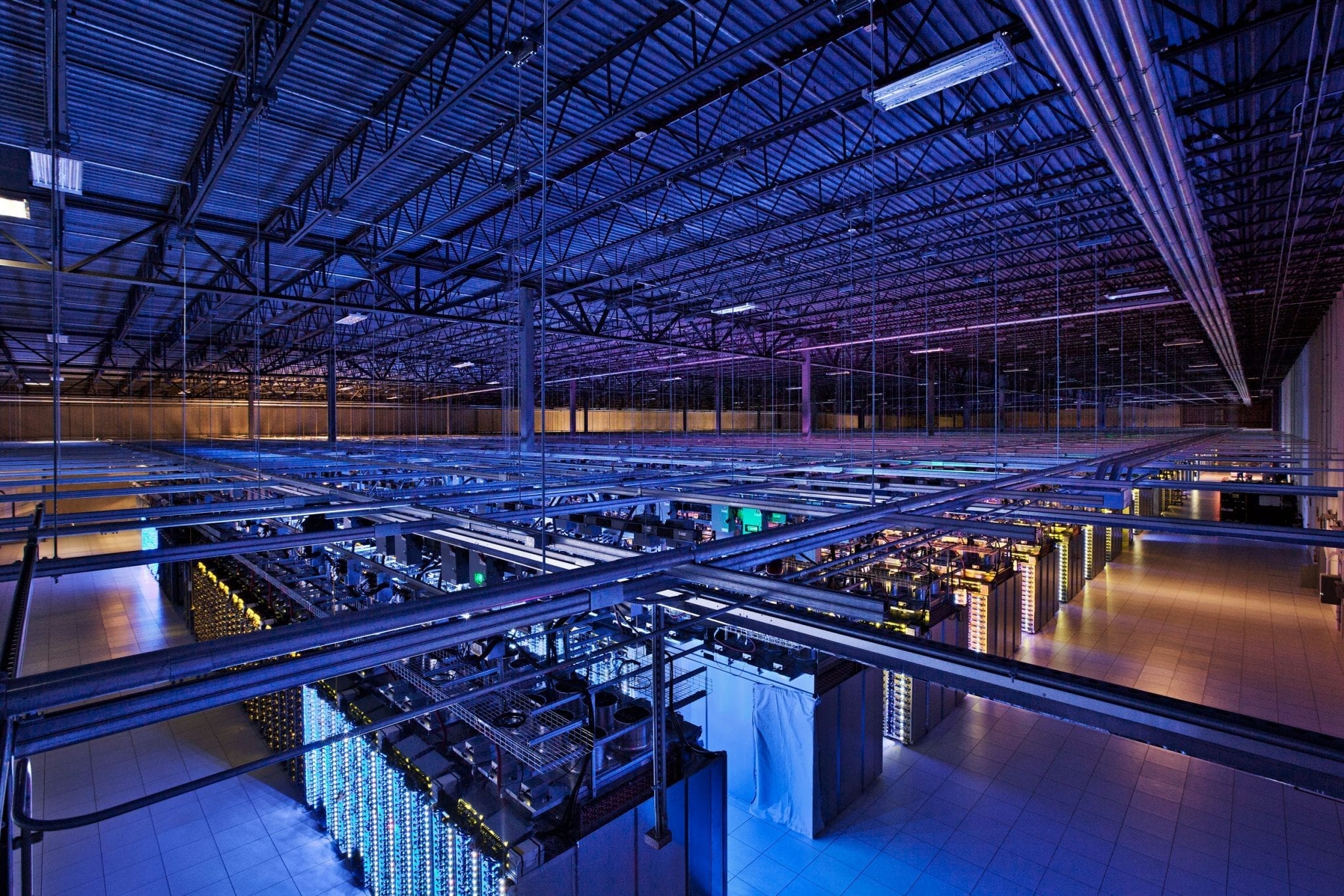
It’s difficult to envision one without the other; subsea cables act as the highways for digital traffic, while data centers serve as its repository and processing unit. For businesses and hyperscalers, proximity to landing stations is crucial, as it impacts efficiency and competitiveness.
With this understanding, Ooredoo is strategically investing not only in the FIG subsea system but also in expanding its AI-ready data center capabilities. Together, these elements create a cohesive ecosystem where connectivity, cloud solutions, and edge computing converge, ultimately providing clients with seamless, low-latency services essential for driving innovations—and perhaps even the next viral video.
Ooredoo’s strategy centers on two pillars: trust and scale. The company’s extensive regional presence aligns perfectly with the needs of global players, allowing Ooredoo to leverage key partnerships that infuse the latest technology into local operations.
This dual focus empowers Ooredoo to ensure that advanced technological capabilities not only meet international standards but also conform to local regulations, solidifying its position as a trusted partner in the industry.
Strategically located at the confluence of Asia, Europe, and Africa, the Middle East now stands before a unique opportunity—to transform from a technology consumer to a regional hub of innovation.
The FIG project lies at the center of this vision. Paired with emerging data center infrastructures and cloud ecosystems, it lays the groundwork for economic diversification. The region’s increasing reliance on artificial intelligence and the processing of large data sets necessitates such robust infrastructural enhancements.
While these cables may be hidden beneath the ocean waves, their impact is unmistakable—fostering job creation, economic diversification, and digital empowerment.
The trajectory for subsea connectivity is clear: the demand for data and digital infrastructure will only intensify. Future subsea systems are expected to accommodate unimaginable data loads while incorporating intelligence and sustainability at their core.
However, the true essence lies not merely in the technology but in what it enables—whether it’s a start-up in Doha reaching a global audience, a hospital sharing medical expertise across borders, or an energy firm harnessing AI to anticipate operational failures. At Ooredoo, the goal is not only to ensure the Middle East is connected to this exciting future but actively shapes it. With innovative digital infrastructure, the region has the potential to turn connectivity into empowerment.
Why are subsea cables becoming critical now?
With a growing demand for data from AI, cloud technology, and more, these cables are now seen as essential to national security and economic growth.
What advantage does Ooredoo’s Fibre in the Gulf offer?
It creates a robust interconnection among GCC countries with a high-capacity system, enhancing digital access and reducing vulnerabilities associated with existing routes.
How does Ooredoo ensure it meets both global standards and local needs?
By forging partnerships that integrate advanced technology while maintaining compliance with regional regulations, Ooredoo establishes itself as a dependable local partner for global players.