South Korea’s multipurpose practical satellite, Arirang 6, has experienced another postponement in its launch schedule, further emphasizing the nation’s dependence on foreign launch services and the consequential lack of control over scheduling. The Korean AeroSpace Administration (KASA) has been informed of the delay by the European launch service provider Arianespace. Initially set for launch in early 2025, the launch of Arirang 6 is now slated for the third quarter of 2026 or later.
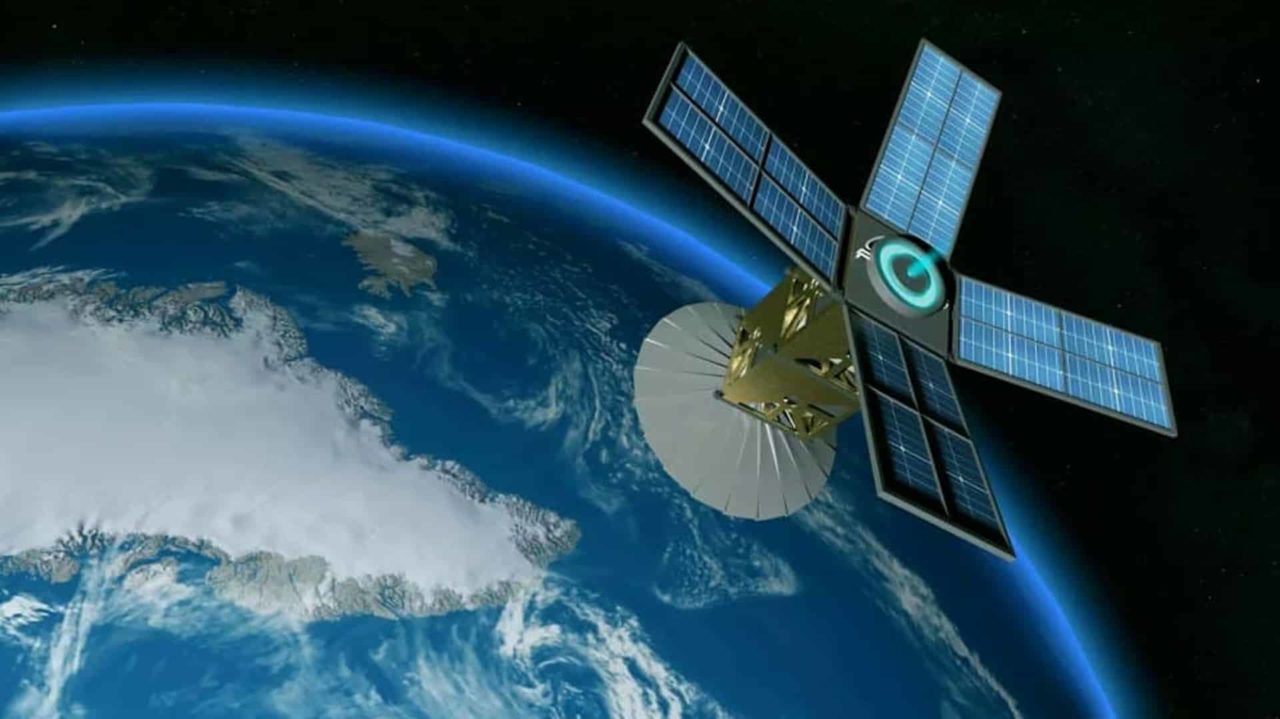
Arirang 6, also known as KOMPSAT-6, is a high-resolution synthetic aperture radar (SAR) Earth observation satellite that can operate irrespective of weather conditions or time of day. The satellite boasts the capability to identify objects as small as 50 centimeters in both horizontal and vertical dimensions. This has led the South Korean government to invest around KRW 370 billion in the program, acknowledging its significance in national security, disaster response, and environmental monitoring.
Despite the completion of its development several years ago, the satellite has not yet entered orbit owing to recurring delays associated with foreign launch vehicles. The latest delay is due to problems affecting Platino-1, Italy’s high-resolution SAR satellite, slated to share the launch on Arianespace’s Vega C rocket.
As the Vega C is a European-developed launch vehicle spearheaded by the Italian Space Agency, European payloads are given priority. This means that the launch timeline of Arirang 6 remains dependent on the progress of Platino-1’s development. In the previous year, issues related to Platino-1 resulted in an earlier delay of the Korean satellite’s launch.
Arirang 6 finished the final assembly and space environment testing in August 2022, marking the culmination of a development effort that commenced in 2012. Since then, the satellite has been stored at the Korea Aerospace Research Institute’s satellite development facility in Daejeon, awaiting a confirmed launch window.
The mission has encountered several disruptions over the past few years. Initially, South Korea planned to launch Arirang 6 from Russia in 2020, but development delays moved the schedule to the latter half of 2022. The Russia-Ukraine conflict subsequently made Russian launch options impossible, compelling Seoul to look for an alternative provider.
In 2023, South Korea chose Arianespace’s Vega C rocket for the launch. However, another setback occurred when Vega C had a mission failure in December 2022, leading to a suspension of flights and a thorough safety review. These concerns resulted in further postponements: first to December 2024, then to the latter half of 2025, before the most recent delay pushed the timeline to 2026.
Industry experts caution that countries without independent launch capabilities are extremely susceptible to schedule disruptions in the international launch market. Major providers like SpaceX and Arianespace prioritize domestic or strategic payloads, often leaving foreign customers vulnerable to delays beyond their control.
Although South Korea has improved its domestic launch capabilities through the Nuri (KSLV-II) rocket program, analysts observe that the country has not yet fully incorporated its indigenous launch systems with high-value, operational satellites like Arirang 6.
What is Arirang 6?
Arirang 6, also known as KOMPSAT-6, is a high-resolution synthetic aperture radar (SAR) Earth observation satellite that can operate irrespective of weather conditions or time of day.
Why has the launch of Arirang 6 been delayed?
The launch of Arirang 6 has been postponed due to recurring delays related to foreign launch vehicles. The most recent delay is due to problems with Italy’s high-resolution SAR satellite, Platino-1.
What challenges is South Korea facing in its satellite launch capabilities?
Although South Korea has improved its domestic launch capabilities, the country has not yet fully integrated its indigenous launch systems with high-value, operational satellites. This has left it vulnerable to schedule disruptions in the international launch market, as seen with the repeated delays in the Arirang 6 launch.