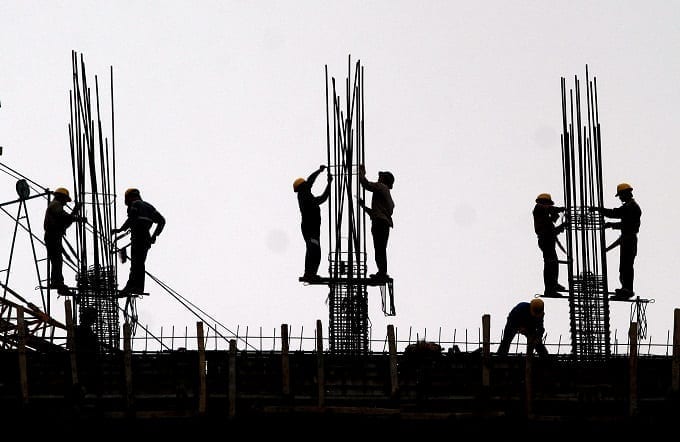
Insurers in the construction sector across Asia are gearing up for a robust year in 2024, as highlighted in Aon’s 2025 Global Construction Insurance and Surety Market Report. The report underscores a growth-oriented atmosphere buoyed by enhanced reinsurance treaty performance, a strong underwriting appetite, and ample capacity.
While the momentum is palpable, insurers are also focused on achieving long-term profitability and stability, which is fostering greater underwriting discipline, even as some markets soften. A delicate balance of risk and reward is becoming the sweet spot for companies navigating these waters.
China, Hong Kong, and India stand out as the beacons of favorable insurance market conditions. These regions have witnessed impressive growth, particularly India, where local and foreign insurers have rallied behind infrastructure expansion efforts. In China, insurers are offering modest premium reductions for low-risk profiles, with reinsurers showing an increased appetite for catastrophe exposures—a vital trend given the region’s vulnerability to natural disasters.
Conversely, Japan is undergoing a modest hardening cycle, where regulatory scrutiny has prompted insurers to adopt more conservative strategies, impacting the management of large and complex risks.
In Southeast Asia, markets in Singapore, Thailand, and Malaysia are witnessing moderate conditions, while Australia boasts a surge in construction activity across real estate and infrastructure sectors. The post-pandemic boom in residential development has shifted insurer priorities, sparking a rising demand for latent defects insurance and internal water damage protections. Detailed water management plans and strong contractor risk mitigation strategies are proving essential to securing favorable terms.
The real estate sector remains fiercely competitive with robust local insurer capacity. However, ambitious civil engineering projects, especially those involving underground works or exposure to natural catastrophes, are still testing insurer capacity and pricing structures. These complex and high-risk projects often necessitate international market support or unique risk transfer solutions.
The rise of technology-driven construction—think data centers, battery plants, and semiconductor factories—is emerging as a vibrant growth area. Australia, in particular, is seeing insurers respond enthusiastically to defense-related infrastructure projects, propelled by increasing government investment projected through 2029. While the market remains rich in capacity and competitive for preferred risk types, insurers are proceeding with caution concerning catastrophe risks. Therefore, larger, more intricate projects might require tailored insurance structures like excess-of-loss (XOL) or alternative risk transfer (ART) solutions to adequately address coverage needs. If all else fails, you may need to put on a superhero cape to navigate these complexities!
What is driving growth in the construction insurance market across Asia in 2024? The growth is fueled by improved reinsurance treaty performance, strong underwriting appetite, and ample capacity within the market.
Which countries are experiencing the most favorable insurance market conditions? China, Hong Kong, and India have reported sustainable growth, with India showing significant support for infrastructure expansion from both local and foreign insurers.
How are insurers responding to large-scale civil engineering projects? Insurers are increasingly cautious about these projects, which often necessitate bespoke insurance structures to meet coverage requirements, especially due to the heightened risks associated with natural disasters.