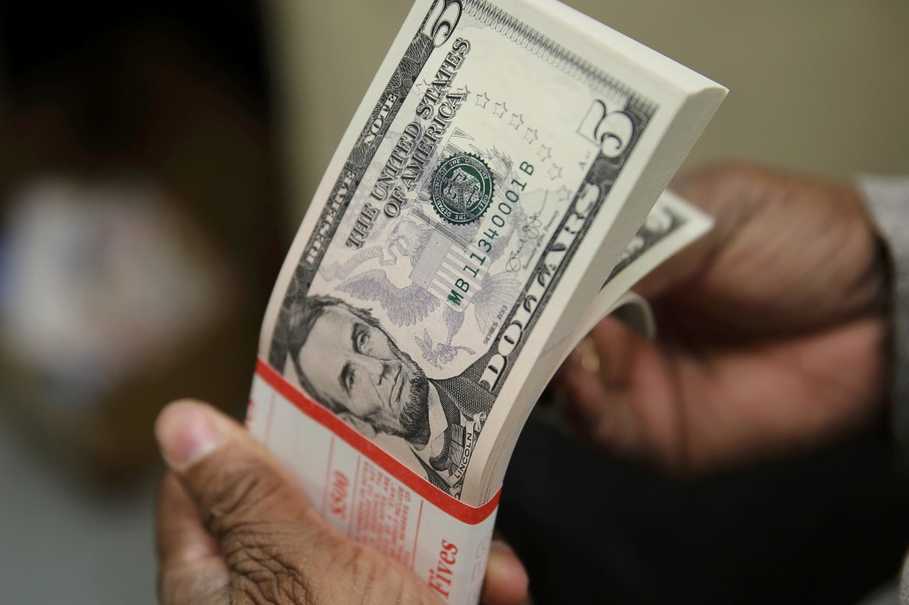
The U.S. dollar showed signs of strength against the Vietnamese dong as well as other major currencies on Friday morning, reflecting a complex global economic landscape. Vietcombank reported a slight uptick, pricing the dollar at VND26,223, an increase of 0.05% from the previous day. However, in the black market, the dollar traded at approximately VND26,355, indicating a 0.06% dip.
In the broader context, the State Bank of Vietnam adjusted its reference rate by lowering it 0.06% to VND24,975. This move coincides with rising geopolitical tensions following Israel’s military actions against Iran, prompting a rush back into safe-haven assets such as the dollar, the Japanese yen, and gold. “The geopolitical escalation adds another layer of uncertainty to an already fragile sentiment,” noted Charu Chanana, chief investment strategist at Saxo. He cautioned that escalating tensions could disrupt oil supply routes, perpetuating a risk-averse climate that keeps upward pressure on crude oil prices and safe-haven assets.
On the global stage, the dollar rose by 0.4%, bringing its index to 98.07 against six other currencies. This was accompanied by gains for other safe-haven currencies—the yen and Swiss franc appreciating 0.3% and 0.4% respectively versus the dollar. In contrast, risk-sensitive currencies faced a decline, with the Australian dollar and New Zealand dollar both slipping by 0.9%. Following a four-day rally, the euro also retraced slightly, trading down 0.3% at $1.155.
While the dollar index is poised for a weekly decline exceeding 1%, it will mark the largest drop in nearly a month, illustrating the ebbs and flows of currency movement amidst unpredictable geopolitical currents. So, it seems the dollar’s strength might just be a flip side to a risky global situation—who knew that international politics could stir such a financial cocktail?
What factors contributed to the strengthening of the U.S. dollar?
The dollar’s strength stems from geopolitical tensions, particularly Israel’s military actions in Iran, which prompted investors to flock to safe-haven currencies.
How is the Vietnamese dong performing against the U.S. dollar?
The Vietnamese dong has shown mixed results, with the dollar increasing slightly in Vietcombank while showing a small decrease in the black market.
What impact does the dollar’s movement have on global currencies?
The dollar’s movements are affecting other currencies, particularly risk-sensitive ones like the Australian and New Zealand dollars, influencing broader market sentiment and trading strategies.