During the recent CSA 2025 award ceremony hosted by Nhip Cau Dau Tu Magazine, Bayer Vietnam earned recognition as a trailblazer among foreign direct investment (FDI) companies excelling in Environmental–Social–Governance (ESG) practices, particularly in agriculture and healthcare.
The CSA 2025 award stands out for its rigorous assessment criteria, which are scrutinized by an expert panel comprising representatives from HSBC, PwC Vietnam, Schneider Electric, Talentnet, the Institute for Circular Economy Development at Vietnam National University in Ho Chi Minh City, and VinaCapital.
On the panel discussion, “Decoding the Power Trio: Nature – Society – People,” Nguyen Hoang Son, Field Solutions Lead at Bayer Crop Science Vietnam, outlined the company’s journey in sustainable agriculture and its commitment to community well-being, in line with its mission: Health for all, hunger for none.
Son underscored that agriculture faces severe disruptions from climate change, which alters weather patterns and jeopardizes crop yields. With food security hanging by a thread and demand skyrocketing amid dwindling resources, the stakes couldn’t be higher.
He referenced the catastrophic drought and salinity intrusion that struck the Mekong Delta between late 2015 and early 2016, leading 11 provinces to declare a state of emergency as saltwater encroached up to 85 km inland, wreaking havoc on crops and local economies.
As a leader in the agricultural sector, Bayer aims to cut greenhouse gas emissions from its farming operations by 30% by 2030, compared to baseline emissions. Additionally, it plans to support 100 million smallholder farmers globally by providing access to innovative farming technologies.
In Vietnam, Bayer has launched flagship initiatives such as ForwardFarming and Better Life Farming through collaborative public-private partnerships. These programs are designed to encourage sustainable, low-emission agricultural practices across key regions like the Mekong Delta and the Central Highlands, while boosting productivity to meet export standards.
Data from the Mekong Delta Rice Institute reveals remarkable achievements after five seasons with the Bayer ForwardFarming model, including up to a 24.7% reduction in greenhouse gas emissions, a 50% cut in water usage, and profit increases ranging from 13% to 55%.
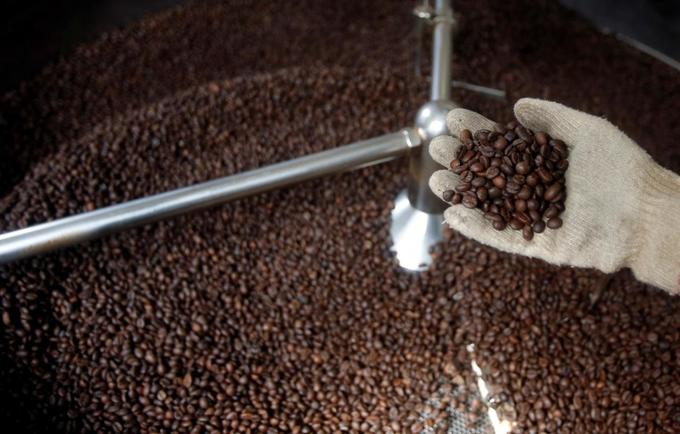
The model’s impact on durian and coffee farming in the Central Highlands has been equally impressive, enhancing both productivity and quality while maintaining pesticide residue controls and ecological balance. Who thought farming could make such a splash?
Bayer prioritizes human development as much as agricultural advancements. “People are at the heart of every program and solution. Even cutting-edge technology needs passionate individuals to drive impact,” Son stated.
The company actively engages in field visits, crop care training, and technical workshops, partnering with national and local agencies to elevate technical expertise. Leveraging digital platforms like YouTube and TikTok, Bayer delivers engaging agronomy content to millions of farmers, widening access to essential farming knowledge.
Bayer is committed to promoting gender equality as a strategic focus. Initiatives like the Women Ambassador in Sustainable Coffee Cultivation Community in the Central Highlands empower women farmers with essential agricultural skills and health education. Remarkably, over 800 women in the Mekong Delta have benefited from these training programs.
As a leader in pharmaceuticals and healthcare, Bayer is also working with partners to strengthen Vietnam’s healthcare system through public awareness campaigns and support for critical public health initiatives. In the wake of Typhoon Yagi last year, Bayer acted swiftly, providing care packages, agricultural supplies, and financial aid to help rural communities recover and rebuild their lives.
What recognition did Bayer Vietnam receive at the CSA 2025 awards?
Bayer Vietnam was honored as a pioneering FDI enterprise for its effective implementation of ESG goals in agriculture and healthcare at the CSA 2025 award ceremony.
What are Bayer’s goals for greenhouse gas emissions by 2030?
Bayer aims to reduce its on-field greenhouse gas emissions per mass unit of crop produced by 30% by 2030 compared to baseline emissions.
How does Bayer support gender equality in agriculture?
Bayer promotes gender equality through initiatives like the Women Ambassador in Sustainable Coffee Cultivation Community, empowering female farmers in areas like the Mekong Delta with training in agricultural techniques and health education.