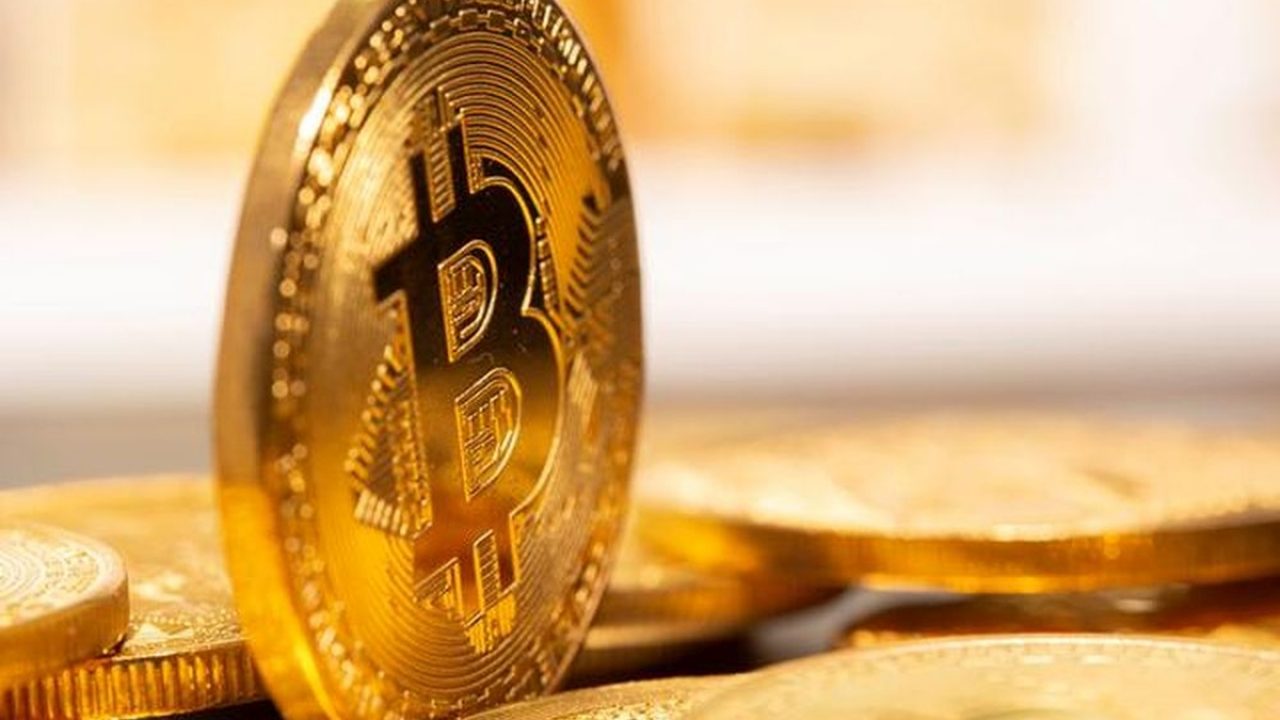
The global inclination towards safe assets is anticipated to stimulate increased demand for both gold and bitcoin as primary reserves for central banks by the year 2030.
Gold has a long-standing reputation as a safe haven asset; however, Bitcoin could soon join this precious metal in garnering such recognition and become a crucial reserve within central banks by 2030, based on a report by Deutsche Bank. The report, penned by senior economist Marion Laboure and analyst Camilla Siazon, highlights the similarity in behavior towards gold in the 20th century with current discussions surrounding Bitcoin.
Significant shifts regarding central bank allocations have been occurring, affecting the US dollar’s share of global reserves, which has fallen from 60 percent in 2000 to 41 percent in 2025. Nevertheless, Deutsche Bank remains confident that the US dollar will maintain a key role in global economics.
The report emphasized that neither Bitcoin nor gold will fully replace the US dollar, referring to digital assets as “complementary” to national currencies within the central bank reserve strategy.
What are safe haven assets?
Safe haven assets are investments that are expected to hold or increase in value during market downturns. Examples include gold and, recently, Bitcoin.
What is the current trend in central bank allocations?
There is a noticeable shift away from the US dollar, with its share of global reserves falling from 60 percent in 2000 to 41 percent in 2025.
Will Bitcoin and gold replace the US dollar entirely?
According to a Deutsche Bank report, neither Bitcoin nor gold will fully supplant the US dollar. Instead, they are seen as “complementary” to national currencies within the central bank reserve strategy.