Despite the rise of e-commerce, physical retail continues to retain a strong appeal among consumers. According to Savills latest survey of its global expert network on occupier outlooks, physical retail is proving resilient with responses leaning 65% towards anticipating rental growth, 26% forecasting stable rents, and 9% anticipating declines; a clear shift from previous years. In 2024, only half of the experts polled projected rising rents, and one in five expected rental decreases.
Sarah Brooks, Associate Director, Savills World Research, stated that across Asia Pacific, India, Malaysia and Viet Nam are expected to see robust retail rent rises and improved take-up. These markets benefit from rapidly increasing consumer affluence, growing tourism and an influx of international brands. In addition, the supply of high-quality retail space has not kept pace with demand, pushing vacancy rates down and driving competition.
According to Matthew Powell, Director of Savills Ha Noi, Viet Nam has a distinctive traditional market culture, where grocery stores and physical retail spaces are essential in daily life. Retail spaces are not just transactional; they also provide connection and community building. As such, retail stores will continue to maintain a significant presence in the market.
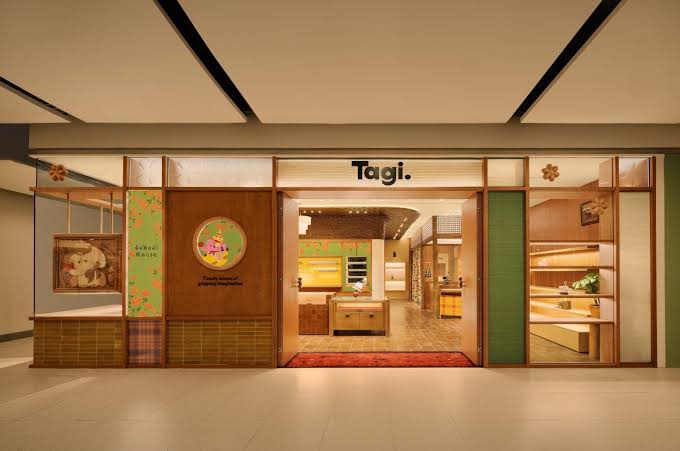
In this context, experiential retail has become a key strategy for shopping centres seeking to remain competitive. By shifting the focus from purchasing to experience-led environments that are engaging, such as interactive stores, pop-ups, workshops, and curated F&B concepts, it creates compelling reasons for visitors to stay longer, return more often, and ultimately drive footfall beyond products alone.
The importance of this shift has increased as online channels continue to change consumer behaviour. Physical retail can no longer rely solely on product offerings, especially in Viet Nam, as Gen Z and Millennials account for 60–70% of urban mall traffic and care more about discovery, interaction and social engagement.
According to research conducted by Censuswide, 62% of Gen Z consumers and 68% of Millennials believe that luxury is defined not only by the product but also by the experience. This shift in consumer expectations is reshaping how shopping centres operate and select tenants, with operators moving beyond occupancy-led strategies to curate tenant mixes that enhance the overall customer experience.
Tenant selection is therefore no longer based only on brand names or rental levels, but also on a brand’s ability to encourage interaction, create immersive experiences, and match lifestyle expectations.
Looking ahead, the future of physical retail is experiential. In markets such as Viet Nam, where consumption, tourism, and lifestyle spending continue to grow, shopping centres that embrace experiential retail will not only remain relevant but strengthen their role as community and commercial hubs, supporting long-term value for occupiers and investors alike.