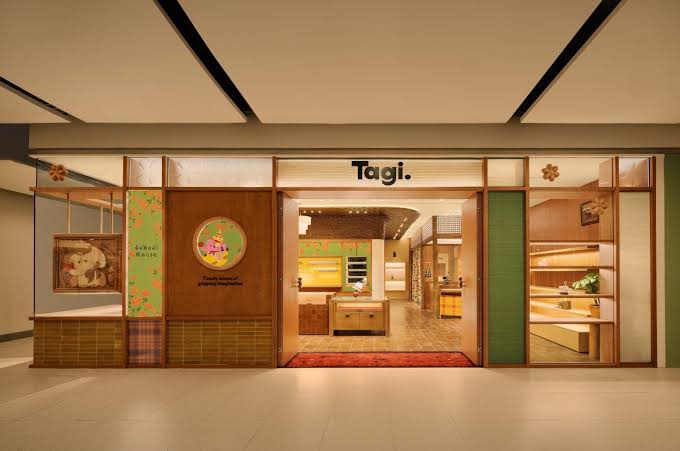
Fore Coffee, the Indonesian F&B retailer, is set to diversify into the donut market, inaugurating their inaugural Fore Donut outlet at Supermal Karawaci, Tangerang.
The strategic move into donuts is a bid to leverage the increasing demand for upscale baked items within Indonesia. Market forecasts for the country’s donut sector suggest significant growth, with projected revenues to more than double from $213 million in 2024, to over $518 million by 2030. These predictions were disclosed by internal data from the brand.
Fore Donut has ambitions to open at least three more outlets throughout this year. The first outlet boasts a selection of over ten artisanal donuts that blend international and local flavors, including the popular Ayam Pop.
Discussing the brand’s philosophy, Lomar, a representative from Fore Donut, emphasized the significance of craftsmanship and integrity in their products. “Each donut is handmade using straightforward, natural ingredients, mirroring our dedication to quality and transparency,” Lomar stated.
The representative continued, “We are convinced that true indulgence lies in care and simplicity, ensuring every morsel is not just tasty, but also uplifting. This philosophy permeates our operations, allowing us to elevate the everyday donut into something genuinely extraordinary.”
Established in 2018, Fore Coffee has rapidly expanded its retail footprint, operating 261 outlets across Indonesia and Singapore. The company registered robust financial growth in the fiscal year 2024, attributed primarily to its assertive retail expansion and a comprehensive omnichannel strategy.
What is Fore Coffee’s latest venture?
Fore Coffee is diversifying into the donut market with their new offshoot, Fore Donut.
What market trend is Fore Donut capitalizing on?
Fore Donut is capitalizing on the growing demand for premium baked goods in Indonesia.
What is the projected growth for the donut market in Indonesia?
The donut market in Indonesia is projected to more than double from $213 million in 2024 to over $518 million by 2030.