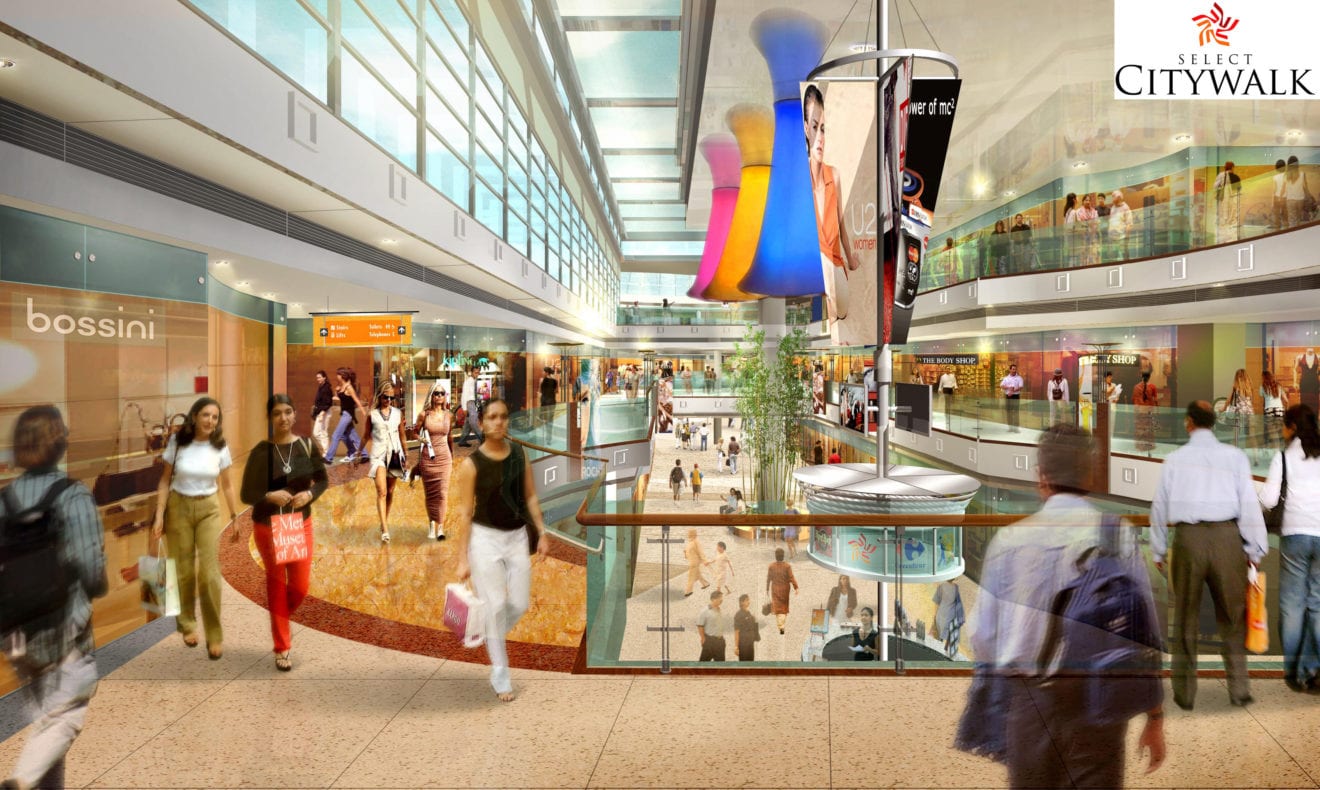
Amid a landscape of rapidly changing consumer preferences, the Asia-Pacific region continues to lead the way in retail innovation. From bustling markets in Bangkok to sleek showrooms in Tokyo, retailers are adapting to ensure they meet the evolving demands of shoppers who are increasingly drawn to convenience, variety, and experiential shopping.
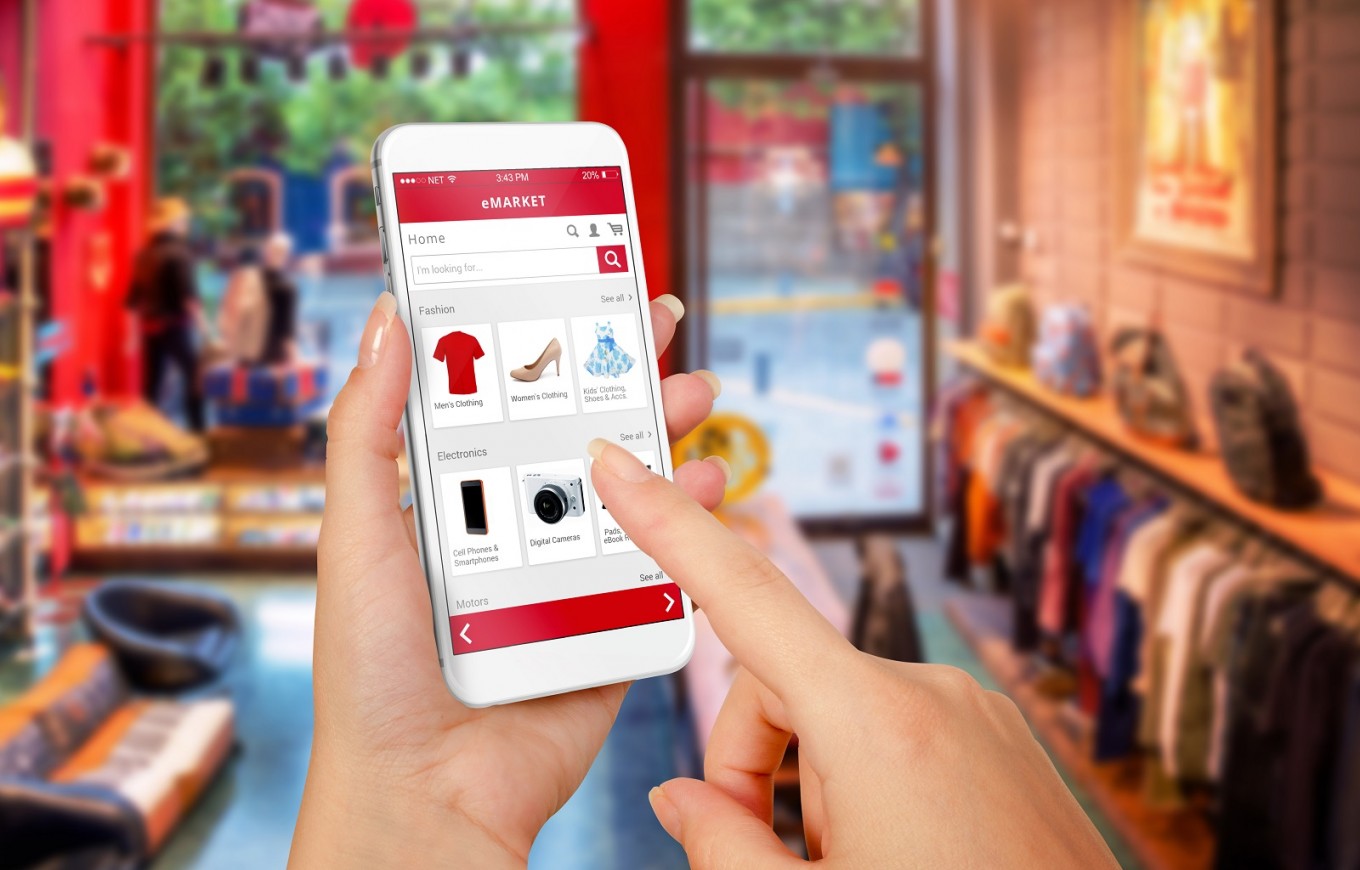
As online shopping cements its place in daily life, traditional brick-and-mortar stores are feeling the pressure to reinvent themselves. With a surge in e-commerce, driven by a tech-savvy population eager for instant gratification and seamless service, physical retailers are compelled to enhance the in-store experience. This dynamic is particularly noticeable in countries like China, where the rise of social commerce has changed the shopping landscape overnight. Retailers are increasingly leveraging livestreaming and interactive platforms to engage consumers in real time, encapsulating the adage that if it’s not fun, it’s not selling.
The integration of technology into retail isn’t merely a trend—it’s a necessity. Augmented reality (AR) and artificial intelligence (AI) are transforming how shoppers interact with products. Innovative retailers are using AR to allow customers to “try before they buy,” enabling virtual fittings for clothing and makeup. Meanwhile, AI is being deployed to analyze shopping data, helping retailers anticipate trends and stock accordingly. The result? A more tailored shopping experience that speaks directly to what consumers want, rather than what retailers predict they might buy.
Sustainability remains a hot topic in the retail sector, especially among younger consumers who are keen to support environmentally conscious brands. Retailers across Asia are responding with initiatives aimed at reducing waste and embracing ethical sourcing. Brands that can effectively communicate their sustainability practices are not only attracting a loyal customer base but are also setting themselves apart in an increasingly crowded marketplace. It’s all about making sustainability not just a checkbox, but a cornerstone of brand identity—a move that’s both smart and refreshing in an industry often critiqued for its environmental footprint.
The economic landscape in Asia is as diverse as its cultures, with each country presenting unique challenges and opportunities. Retailers must navigate fluctuating currencies, varying regulations, and differing consumer sentiments. Cambodia is not just a hidden gem in tourism; it’s emerging as a bright spot for retail investment, attracting international brands eager to tap into a youthful population. Similarly, Southeast Asia’s rising middle class fuels demand for more upscale products, prompting local businesses to upscale their offerings.
With so much at play, the retail sector in Asia is like a game of chess; those who strategize effectively will be the ones to thrive. Yet, amidst all this growth and change, it’s essential to remember that retail is fundamentally about connection—between brands and consumers, products and experiences.
As Asia continues to shape the future of retail, one thing is clear: innovation is not just encouraged; it’s a survival instinct.
How are retailers in Asia adapting to the rise of e-commerce?
Retailers are enhancing their in-store experiences by integrating technology and leveraging social commerce strategies, such as livestream shopping, to engage consumers more effectively.
What role does sustainability play in current retail strategies in Asia?
Sustainability is increasingly central to brand identity, attracting younger consumers who prioritize environmentally conscious practices and ethical sourcing.
Which countries in Asia are showing promising growth in retail investment?
Countries like Cambodia are emerging as key markets for retail investment, alongside the rapid growth in demand observed in Southeast Asia due to a rising middle class.