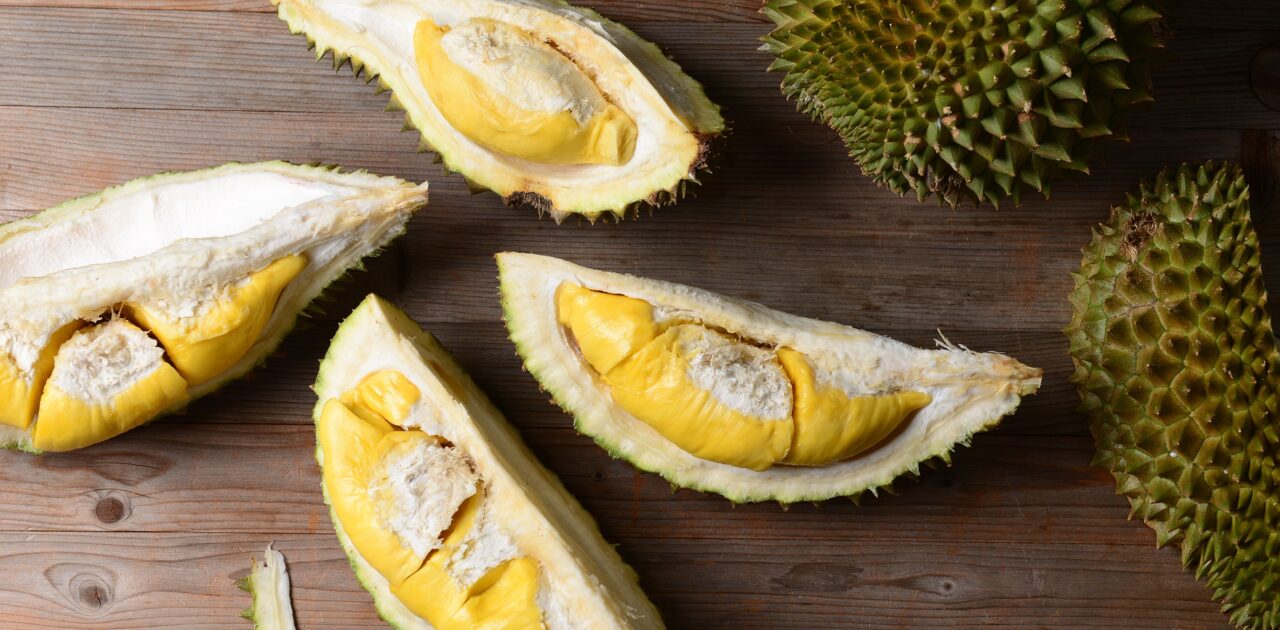
In a remarkable turnaround, durian exports from Vietnam surged by 70% last month compared to May, reaching an impressive US$360 million, as reported by Vietnam customs. This revival follows a challenging period for the much-loved fruit, and industry experts are optimistic about the future.
Dang Phuc Nguyen, general secretary of the Vietnam Fruit and Vegetable Association, noted that shipments of durian have stabilized recently, showing promising signs for the months ahead. Central to this rebound is the booming market for frozen durian, as highlighted by Nguyen Dinh Tung, chairman of Vina T&T Group, one of the major exporters.
His company is currently dispatching around 20 containers of frozen durians to China each month. “If businesses invest properly in the freezing process, Vietnamese durians will have a significant advantage in the Chinese market,” Tung stated. He added that this method not only mitigates risks associated with unpredictable weather but also enhances quality control—a crucial factor for consumers.
Traders are reporting a notable increase in demand for Vietnamese durians among Chinese buyers. “Starting in June, the volume of durians purchased for export has escalated two to three times compared to previous months,” shared Hoang, a durian trader operating in southern Vietnam. This surge can also be attributed to improved compliance with Chinese quality standards, which have historically been a hurdle for exporters.
Many companies are now requiring farms and traders to conduct quality tests before procurement, significantly enhancing the acceptance rates of Vietnamese durians in China. As the harvest season peaks in both the Mekong Delta and Central Highlands, Nguyen anticipates that exports during September and October could soar to between $500-550 million per month if current trends continue.
However, Nguyen tempered excitement with a cautionary note, predicting that prices are unlikely to return to the record highs of 2023-2024, primarily due to a surge in global supply. Alongside competitors like Thailand, Malaysia, Indonesia, Cambodia, and Laos are also increasing their exports to China through official channels, intensifying the rivalry.
Looking ahead, the Vietnam Fruit and Vegetable Association remains hopeful about the future of fruit and vegetable exports, particularly in the realms of frozen durians and coconuts. If trends hold, this year’s exports could reach a staggering US$6.5-7 billion, inching closer to last year’s record figures.
What contributed to the resurgence of Vietnamese durian exports?
The sharp increase in exports can be attributed to the rising demand from China, particularly for frozen durians, which allow for better quality control and mitigate risks from fluctuating weather.
How are Vietnamese exporters addressing quality concerns?
Exporters are implementing quality testing protocols at farms and for traders to prevent issues like cadmium residues, which previously led to product rejections in the market.
What are the export forecasts for Vietnamese durian?
Currently, export expectations are optimistic, with predictions of monthly revenues reaching between $500-550 million during the peak harvest season in September and October.