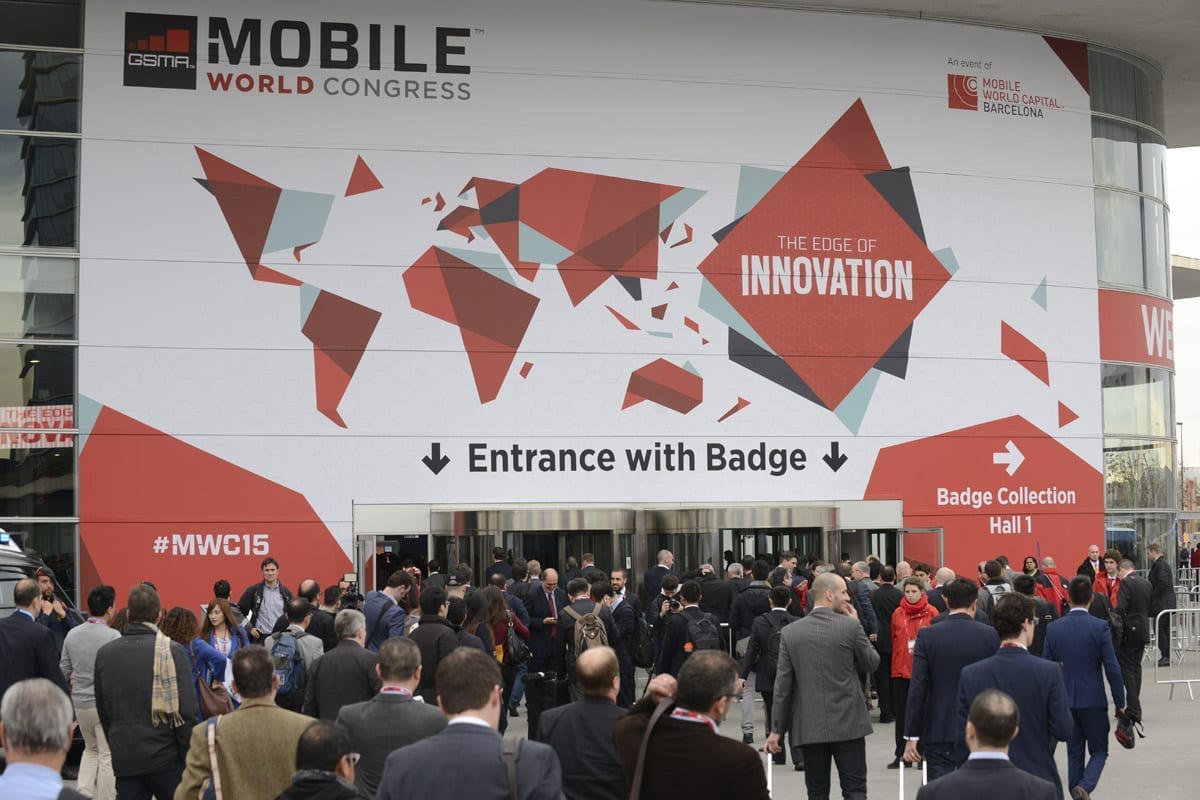
The Global System for Mobile Communications Association (GSMA) is pushing the telecom industry to prioritize the completion of 5G standalone (SA) networks before diving headfirst into the era of 6G. At the recent MWC Shanghai 2025, GSMA Director General Vivek Badrinath emphasized that 5G SA is the golden key to unlocking a myriad of growth opportunities that operators have yet to fully explore.
As we continue to unravel the transformative capabilities of 5G, Badrinath posed a vital question that hangs in the air: “How can we drive growth?” He insisted that before looking too far into the future, it’s essential to concentrate on the vast potential that 5G brings today. “The potential of 5G is right in front of us,” he asserted, calling for a collective commitment to harnessing the full power of this technology.
Badrinath highlighted the remarkable features of 5G SA, including faster data speeds, ultra-low latency, and advanced network slicing, which allow for a more adaptable and programmable network ecosystem. Such flexibility is critical for supporting the technologies of tomorrow, paving the way for innovations that could reshape industries.
When addressing global progress, Badrinath cited China as a notable example. In 2024, China Mobile marked a significant milestone by launching the world’s first commercial 5G-Advanced network, which is now operational in over 300 cities. “We must take this proven capability and make it accessible everywhere,” he urged, calling for worldwide efforts to replicate this success.
The director general also drew a compelling link between the surge of artificial intelligence (AI) and the pressing need for robust 5G infrastructure. “More AI creates more demand on networks,” he pointed out, emphasizing that our networks aren’t merely utilizing AI; they are the engines powering it. Without advanced connectivity, the AI revolution may stall. In China, this interplay is already being harnessed, with China Unicom’s smart connection platform enhancing efficiency by 18% at a Hebei steel plant through AI-driven failure predictions. China Telecom is also on the forefront, deploying private 5G networks tailored for specific industries—a move that may well set the standard for future applications.
Badrinath also spotlighted the GSMA Open Gateway API initiative, which aims to catalyze growth by opening up network capabilities to developers across various sectors. This collaborative approach is expected to uncover new market opportunities and drive innovation. Currently, an impressive 73 mobile operator groups, accounting for nearly 80% of global connections, are on board, including all major Chinese carriers—a clear indication of the momentum behind this initiative.
What is the main focus of GSMA Director General Vivek Badrinath’s speech at MWC Shanghai 2025?
Badrinath urged the telecom industry to complete the rollout of 5G standalone networks before shifting attention to the development of 6G, highlighting the untapped potential of 5G as crucial for future growth.
Why is 5G SA considered essential for the future of technology?
5G SA offers transformative capabilities like faster data speeds and ultra-low latency, making the network more configurable and programmable, which is vital for supporting future technologies, including AI.
How is China positioning itself in the global telecom space?
China is leading with the launch of the world’s first commercial 5G-Advanced network and is also replicating its success in AI, as evidenced by innovations from companies like China Unicom and China Telecom.