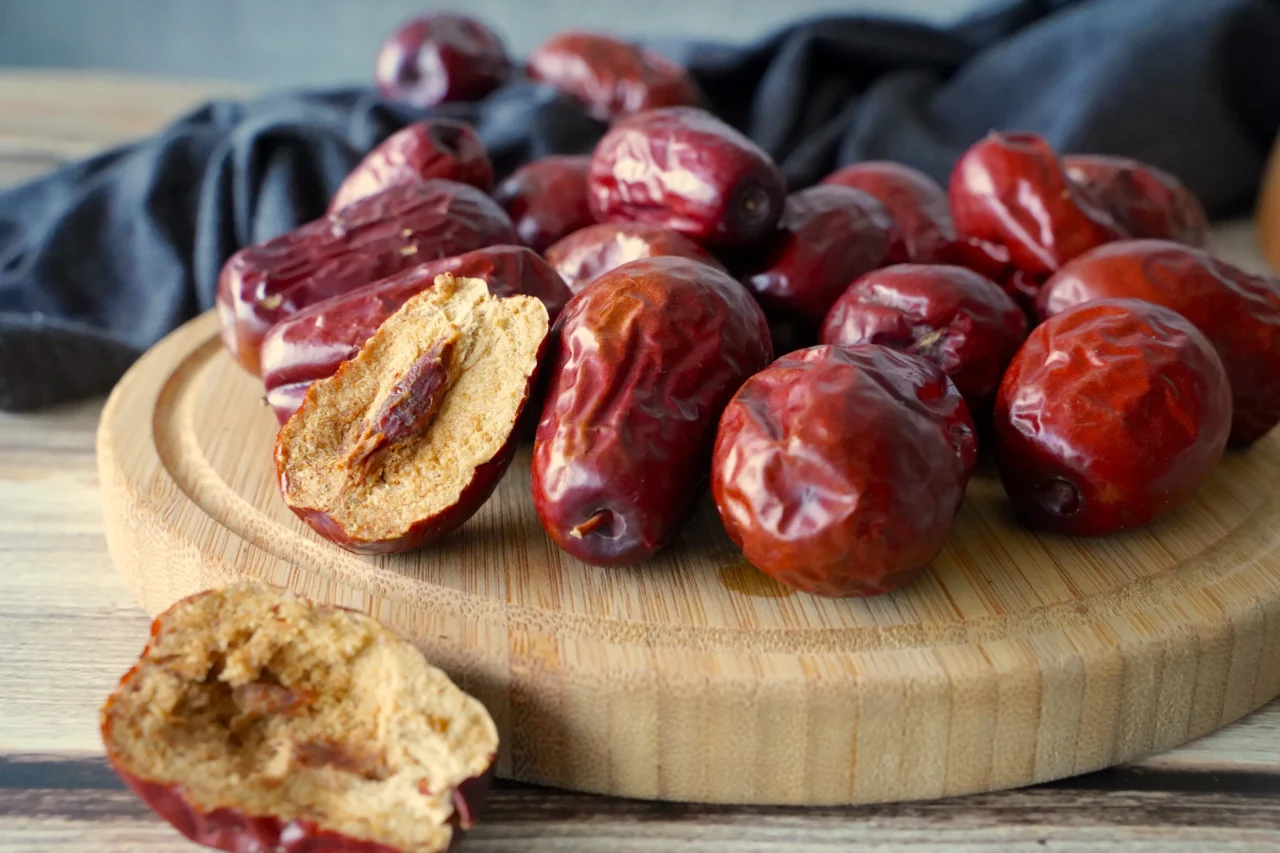
Inspectors from the city’s Market Management Department recently made a significant discovery in Ha Dong District when they uncovered smuggled red dates at a facility owned by Bui Thi Thuy. Valued at VND69 million (approximately US$2,650), these jujubes are set to be destroyed, and Thuy will face a hefty fine of VND50 million.
Red dates, cherished across Asia for their sweetness and nutritional benefits, are believed to promote liver function, enhance calmness, and improve sleep quality. However, the authorities are sounding the alarm about the dangers of unregulated red dates. Without strict oversight on raw materials, chemical residues, and pesticide levels, these fruits can pose serious health risks, including food poisoning and potential long-term damage to the liver, kidneys, and digestive system.
The popularity of Xinjiang red dates surged on major e-commerce platforms in Vietnam, raking in an impressive US$322 million in sales last year, according to Metric. Additionally, Vietnam imports red dates from South Korea, which are sold at prices ranging from VND80,000 to VND200,000 per kilogram.
The Ministry of Industry and Trade has revealed that most red dates available in the market today lack clear origins and are not brought in through official channels. Only a select few businesses are authorized to distribute legitimate imports from South Korea and China, and they are mandated to include auxiliary labels with crucial details such as production location, importer information, expiration dates, and usage guidelines.
Since early May, Hanoi market management officials have been proactive, conducting raids that have netted numerous counterfeit, substandard, and undocumented goods worth hundreds of millions of dong. In an effort to ensure consumer safety, officials continue to keep a vigilant eye on the red date trade.
Isn’t it ironic that a fruit associated with health and tranquility is now causing such a stir in the market?
What prompted the inspection by the Market Management Department?
The inspection was part of ongoing efforts to regulate and monitor the trade of red dates, which have seen a spike in popularity but also in unregulated sales.
What are the potential health risks associated with unregulated red dates?
Without proper oversight, unregulated red dates can lead to food poisoning and serious health issues affecting the liver, kidneys, and digestive system.
Why are most red dates on the market considered problematic?
The majority of red dates lack clear origins, are not imported through official channels, and don’t meet safety regulations, putting consumers at risk.