As Asian consumers continue to shift their shopping preferences towards digital platforms, retailers are racing to innovate and meet this growing demand. According to recent data, e-commerce in the region is projected to reach a staggering $4.9 trillion by 2025, reflecting a significant increase in online shopping habits. The rise of mobile commerce, coupled with a surge of digital payment solutions, is transforming the retail landscape as never before.
In response to these trends, major retailers are reimagining their strategies. Companies such as Alibaba and JD.com are not just enhancing their online offerings; they’re also integrating augmented reality (AR) experiences and AI-driven personalization to captivate customers. Imagine walking through your living room and being able to visualize a new sofa in your space, all thanks to an AR app—retailers are pushing the boundaries of technology to create unique shopping experiences.
Interestingly, it’s not just the big players making strides. Smaller, local brands are also embracing e-commerce, often with remarkable success. Brands in Southeast Asia, such as the fashion label Zalora, are harnessing social media to engage with shoppers directly, turning Instagram and Facebook into powerful sales platforms. The agility and creativity displayed by these brands demonstrate the vitality of the local retail sector amidst fierce competition.
However, this rapid digitization is not without its challenges. Issues such as logistics, cybersecurity, and maintaining customer trust are paramount. Retailers are increasingly investing in robust supply chain solutions to ensure timely deliveries, but the question remains—can they keep up with the soaring demand? As the race intensifies, businesses must find the right balance between technology and customer service to avoid a misstep.
Amid all these changes, sustainability has emerged as a significant concern for consumers in Asia. Brands that prioritize eco-friendly practices are not just favored, but are also seeing increased loyalty from a consumer base that is more environmentally conscious than ever. Witness the innovative approaches taken by companies like Uniqlo, which focuses on sustainability in its production processes, capturing the interest of younger shoppers who deeply value ethical consumption.
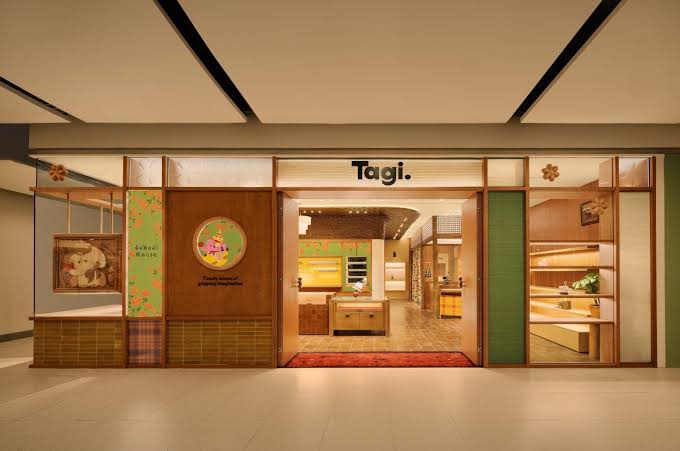
Looking ahead, many industry insiders predict a hybrid model where physical stores coexist with vibrant digital platforms. This approach allows retailers to offer a seamless omnichannel experience, empowering customers to shop however they please—be it online from the comfort of their couch or in-store for those tactile experiences. As the lines between online and offline blur, the industry’s capacity for adaptation and resilience will undoubtedly shape the future of retail in Asia.
What is driving the growth of e-commerce in Asia?
The growth of e-commerce in Asia is driven by a rising preference for online shopping, advancements in mobile commerce, and an increase in digital payment options, projected to reach $4.9 trillion by 2025.
How are local brands finding success in e-commerce?
Local brands like Zalora are successfully leveraging social media platforms to engage directly with consumers, turning these channels into potent sales avenues and showcasing their agility in the market.
What challenges do retailers face with digital transformation?
Retailers face several challenges, including logistics, cybersecurity, and maintaining customer trust, as they strive to keep pace with the rapid demand for online shopping.