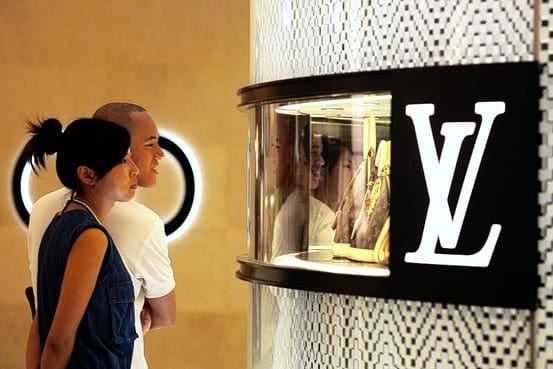
LVMH, the world’s largest luxury goods group, has reported a 1% increase in sales in the third quarter. This uptick, the first instance of growth this year, was largely driven by an enhanced demand in China. With a diverse portfolio spanning fashion, alcohol, and retail, LVMH is considered a reliable indicator of the overall health of the luxury goods sector.
According to a statement from LVMH, the Asian market, excluding Japan, saw a “noticeable” improvement during the first nine months of the business year. The company’s CFO, Cecile Cabanis, further highlighted that “Mainland China turned positive in Q3.”
However, Cabanis also pointed out potential challenges for the fourth quarter. These include unfavourable currency rates and ongoing economic uncertainties. Yet, she expressed confidence in the new creative direction the group’s brands are adopting.
In terms of financial improvement, Cabanis explained that it would be a gradual process that will “take time” and will involve “gradual sequential improvement.”
In response to the improved sales figures, LVMH’s US shares leapt by 7.5% on Tuesday. Analysts observed a combination of self-help measures and increased demand from China, suggesting a U-shaped recovery trajectory for the luxury goods giant.
However, it was not all good news. LVMH’s fashion and leather goods division, which includes flagship brands Louis Vuitton and Dior and accounts for over two-thirds of the company’s profits, saw a 2% drop in sales compared to the previous year.
The luxury sector, worth $400 billion, has been struggling following the end of the post-pandemic boom. Rising prices, tariffs, and the ongoing real estate crisis in China have all contributed to the sector’s problems. However, the third-quarter sales update from LVMH, the first significant player in the industry to report, has led to increased optimism among investors.
Industry analysts have expressed positive sentiments, suggesting that the sector’s focus on more affordable products and a “burst of creativity” from new designers may signal an end to the downturn.
Facing challenging business conditions, LVMH has recently made several personnel changes. Bernard Arnault, the French billionaire who controls the conglomerate, has repositioned some of his key personnel and designers, including those at Dior, Celine, Loewe, and Fendi.
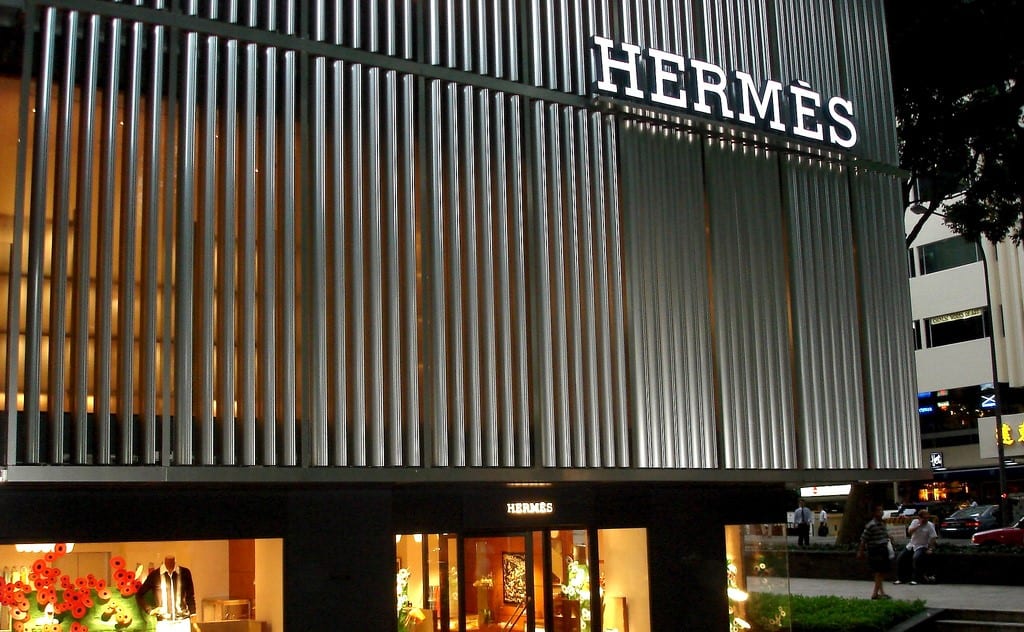
Since the company’s last trading update on July 24, its share prices have increased by 13%. This rally has elevated LVMH to the top spot, surpassing rival Hermes as France’s most valuable company, as analysts began to see positive signs for luxury sales beyond the very high end.
What contributed to LVMH’s sales growth in Q3?
The main factor was an improved demand in China, which turned positive in the third quarter.
What challenges does LVMH face in the fourth quarter?
The company is grappling with unfavourable currency rates and ongoing economic uncertainties.
What changes has LVMH made in response to the challenging business climate?
LVMH has made significant personnel changes, repositioning key staff and designers across its various brands, including Dior, Celine, Loewe, and Fendi.