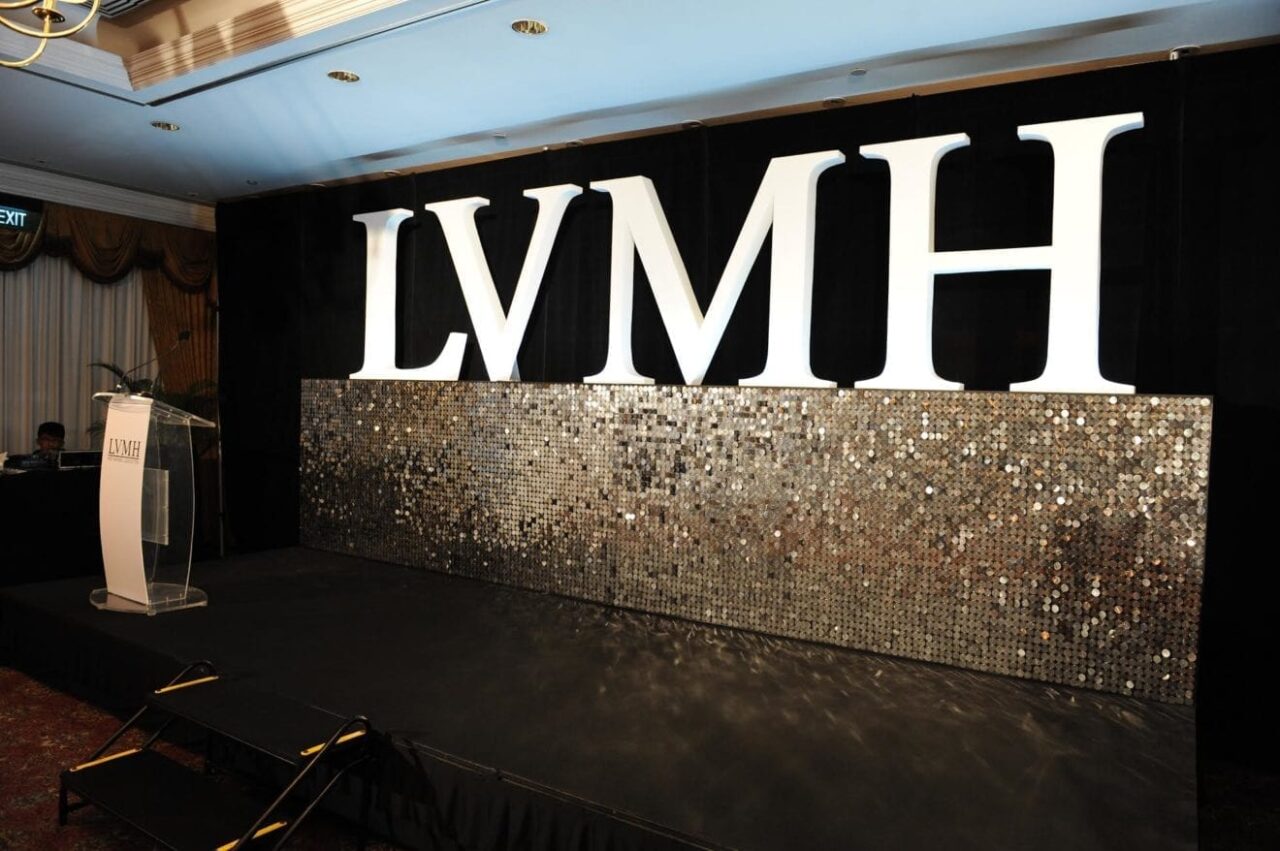
In a robust defense of wealth and economic freedom, Bernard Arnault, the chairman and CEO of LVMH and France’s wealthiest individual, has vehemently criticized a proposed 2% tax targeting billionaires, labeling it a direct threat to the nation’s economic stability.
The proposed tax aims to levy a charge on fortunes exceeding 100 million euros (around $117 million) and has garnered increasing political momentum in France. Prime Minister Sébastien Lecornu is under pressure from the Socialist Party to integrate the measure into the 2026 budget, with failing to do so possibly leading to a confidence vote that could destabilize his government.
Arnault did not hold back in an interview asserting, “This is clearly not a technical or economic debate, but rather a clearly stated desire to destroy the French economy.” He directed his ire at the proposal’s main architect, economist Gabriel Zucman, dismissing him as “first and foremost a far-left activist” leveraging “pseudo-academic competence” to undermine the economic system he believes is essential for societal welfare.
In a spirited rebuttal, Zucman, who teaches at France’s École Normale Supérieure and the University of California, Berkeley, defended his position. “I’ve never been an activist for any movement or party,” he stated on X, emphasizing that his research is based on empirical analysis rather than ideological bias.
Though Zucman has been affiliated with left-leaning economic initiatives, he has consistently argued that the super-wealthy are often paying a disproportionately lower share of taxes compared to average citizens. The proposed tax, according to Zucman, seeks to bridge that widening divide.
Public sentiment appears to sway in favor of the tax, with an Ifop poll commissioned by the Socialist Party revealing an impressive 86% approval rate among respondents. This support highlights a growing desire for equity in the tax system, indicating a potential shift in societal perspectives toward wealth distribution in France.
What is the proposed billionaire tax in France?
The proposed 2% tax would apply to fortunes exceeding 100 million euros ($117 million) and is aimed at addressing perceived inequities in the tax burden among the ultra-wealthy.
Who is Gabriel Zucman, and what is his stance on the wealthy’s tax contributions?
Gabriel Zucman is a prominent economist advocating for the tax, arguing that the ultra-rich pay a lower tax rate relative to their wealth compared to average citizens, and he believes the proposed tax would help close this gap.
What level of public support does the tax have?
Recent polling indicates strong public backing for the tax, with 86% of respondents approving of the initiative, reflecting a potential shift in attitudes toward wealth distribution and tax fairness in France.