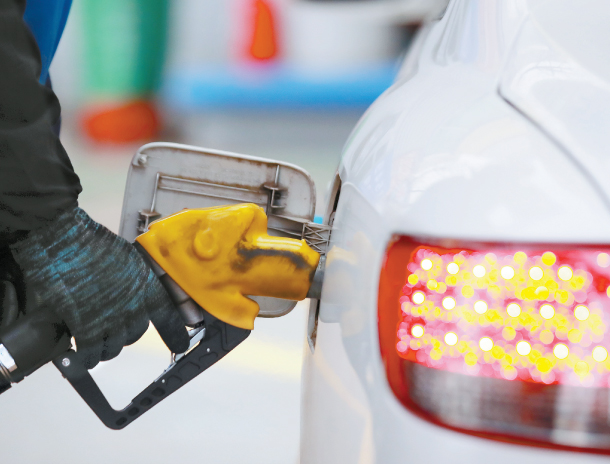
In a significant move to alleviate rising living costs, Malaysia will lower the price of the widely used RON95 fuel to RM1.99 (US$0.47) per liter, effective September 30.
Prime Minister Anwar Ibrahim announced the price reduction from the previous RM2.05 per liter during a regular briefing at the Prime Minister’s Department on Monday. This adjustment reflects the government’s ongoing efforts to tweak fuel subsidies amidst the challenging economic climate.
The revised subsidized fuel price will exclusively benefit Malaysians who hold a valid driver’s license. In a move aimed at fair distribution, non-citizens will face a higher price of RM2.60 per liter at the gas pump. The government has also put a cap on fuel purchases, limiting it to 300 liters per month per person, although ride-hailing drivers may see exceptions to this rule.
Any savings generated from these subsidy alterations are intended for enhancing public infrastructure and providing assistance to those most in need, according to Anwar. This shift, initially hinted at in July, marks a significant policy evolution, though the administration opted not to pursue earlier suggestions to completely remove RON95 subsidies for wealthier segments of the population.
Anwar’s administration is enacting various measures to bolster national revenue and productivity. These strategies include implementing a minimum wage increase, raising electricity tariffs for heavy users, and expanding the sales and services tax. It appears Malaysia is not just applying a bandaid to fuel prices, but carefully stitching together a broader economic fabric aimed at sustaining growth.
What is the new price for RON95 fuel in Malaysia?
The new price for RON95 fuel will be RM1.99 (US$0.47) per liter, effective September 30.
Who will benefit from the subsidized fuel price?
The subsidized price will be available only to Malaysians with a valid driver’s license, while non-citizens will pay RM2.60 per liter.
How will the government utilize savings from the subsidy changes?
The government plans to channel any savings from these subsidy changes into improving public infrastructure and providing aid to those in need.