Prime Minister Pham Minh Chinh is demanding clarity from government agencies on the soaring price of housing, which has now reached a staggering level that few can afford.
In a recent government meeting, Chinh highlighted the overwhelming dominance of high-end properties in major urban centers, stressing the urgent need for accountability in the housing market
He questioned whether “the real estate market is being manipulated,” emphasizing the necessity to combat practices such as “hoarding and price gouging.” Chinh’s concerns resonate deeply: with apartment prices soaring to between VND70 million and VND100 million (approximately US$2,650-3,790) per square meter, many people are left grappling with the harsh reality of unaffordable housing.
The Prime Minister underscored the critical need for increasing supply to ensure a more balanced housing market, particularly by bolstering the availability of social housing targeted at low- and middle-income families. He characterized this initiative as a pivotal policy that “must be carried out,” pointing out that the pursuit of economic growth should not come at the cost of social equity and stability.
“Developing the low-income housing segment could stimulate growth across other sectors of the economy,” he asserted. The Prime Minister further articulated that boosting housing supply would also indirectly facilitate the nation’s economic aspirations, projecting a growth rate of 8.3-8.5% for this year along with double-digit growth in the subsequent years.
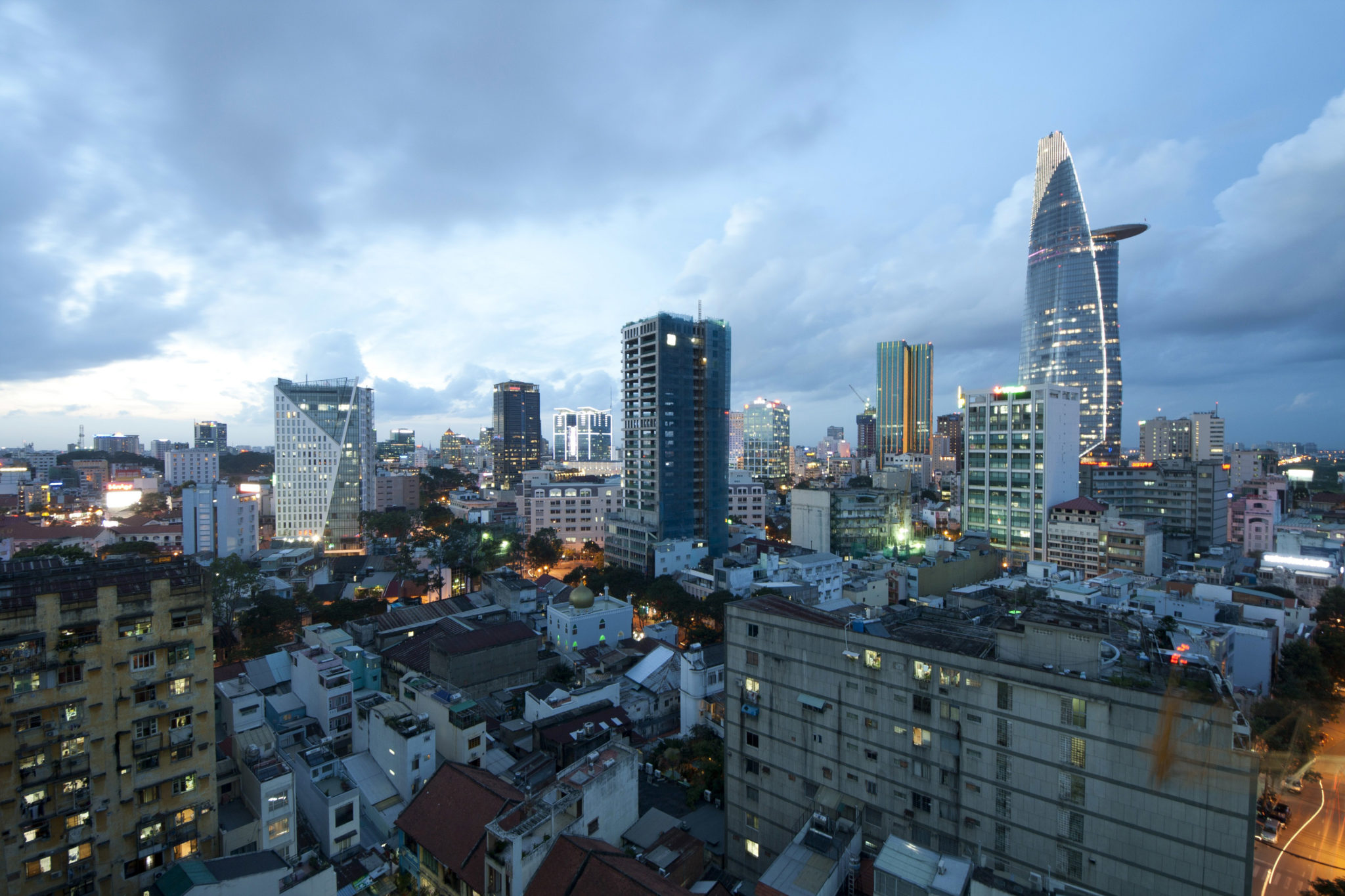
The urgency of these measures is reflected in the current market data. Deputy Minister of Construction Nguyen Van Sinh revealed that the average apartment price in Hanoi has reached VND80 million per square meter, marking a 5.6% increase this year. Prices for townhouses and villas are even higher, ranging from VND100 million to VND200 million. Meanwhile, in Ho Chi Minh City, apartment prices average VND89 million, with townhouse values soaring to between VND230 million and VND300 million.
As the Prime Minister calls for action, one can’t help but wonder: will the Vietnamese housing market soon resemble a high-stakes game of Monopoly, where only the privileged few hold the keys to the best properties?
What specific measures is the Vietnamese government considering to address housing affordability?
Prime Minister Pham Minh Chinh emphasizes the need to increase supply, particularly focusing on developing social housing for low- and middle-income families, to tackle the crisis of rising housing prices.
What are the current average apartment prices in major Vietnamese cities?
As of now, the average apartment price in Hanoi stands at VND80 million per square meter, while in Ho Chi Minh City, it is about VND89 million per square meter.
How does Prime Minister Chinh link housing policy to economic growth?
He points out that expanding the low-income housing segment can stimulate growth across other sectors, contributing to an economic growth projection of 8.3-8.5% this year and beyond.