At the FlyPharma Amsterdam 2025 conference, leaders from the worldwide pharmaceutical industry gathered to highlight the importance of collaboration for the steady global transportation of essential healthcare items and life-saving medicines. The conference took place amidst the backdrop of rapidly changing regulations, shifting trade flows, and an uncertain geopolitical landscape.
The global healthcare and pharmaceutical industry is projected to achieve a total worth of USD 1.77 trillion by 2025. This growth is primarily attributed to advances in biologics, digital health, and personalized medicine, along with increased patient access on a global scale.
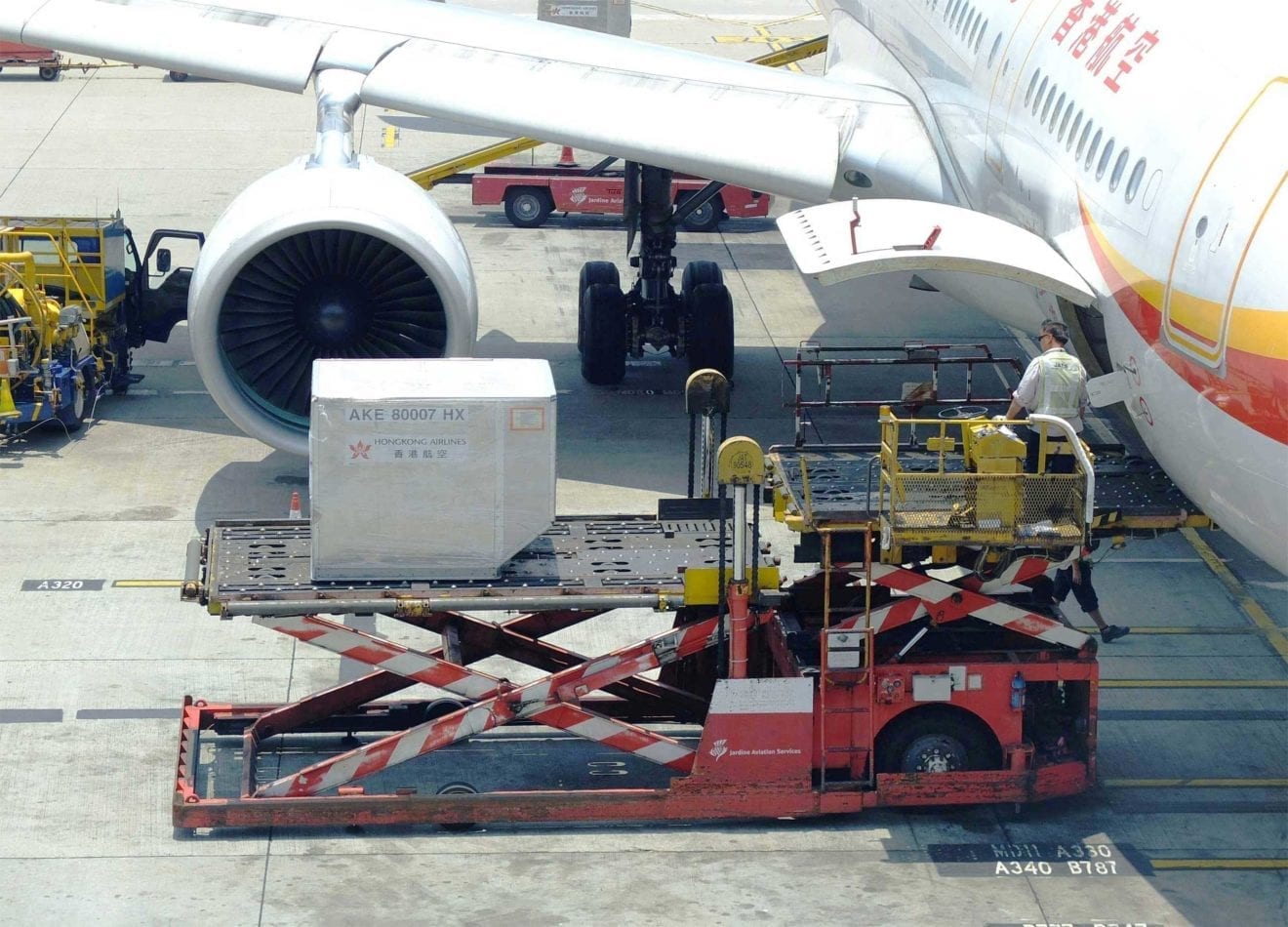
The industry’s momentum is directly reflected in increased demand for airfreight capacity, especially for temperature-sensitive, high-value shipments. The pharma airfreight segment alone is predicted to witness over 6 percent annual growth, as manufacturers and logistics providers prioritize speed, dependability, and adherence to Good Distribution Practice (GDP) standards.
Air cargo carriers and airports are making significant investments in IoT tracking, cold-chain infrastructure, and digital visibility tools to cater to this growing vertical. The fastest growth is anticipated in corridors linking Asia, Europe, and North America. The pharma and healthcare logistics sector is emerging as a strong and premium segment within the global air cargo market.
Amsterdam Airport Schiphol is a crucial global hub for pharmaceutical logistics. With its central European location, advanced infrastructure, and robust network of logistics partners, the airport is essential for global pharmaceutical supply chains. Schiphol contributes significantly to the worldwide distribution of vaccines and medicines and enhances the Dutch economy, further establishing the Netherlands as a hub for international trade and innovation in life sciences.
The pharmaceutical logistics ecosystem at Schiphol has considerable implications not only for global public health but also for the Dutch economy. In 2024, the Netherlands exported pharmaceutical products worth USD 38.49 billion, highlighting the sector’s role in driving trade, innovation, and high-value employment. Schiphol’s success as a pharma logistics hub encourages companies to invest, expand, and drive innovation in the Netherlands, making the country more competitive and appealing to life sciences entities.
Schiphol’s importance as a global logistics hub was further underscored during the COVID-19 pandemic, during which it served as one of Europe’s primary gateways for vaccine transportation and temperature-sensitive pharmaceuticals.
Air France-KLM Martinair Cargo (AFKLMP Cargo) has positioned itself as a leading player and innovator in pharmaceutical logistics, being among the first airlines to receive IATA CEIV Pharma certification. The airline’s dual-hub structure in Amsterdam Schiphol and Paris Charles de Gaulle, situated in Europe’s “pharma belt,” provides unique resilience and adaptability in a fluctuating market.
According to GertJan Roelands, SVP Commercial, AFKLMP Cargo, the company’s growth in the pharmaceutical and healthcare segment has been a strategic priority over the past five years. The airline has made considerable investments in infrastructure and introduced new digital solutions while optimizing processes to enhance resilience and transport quality. The airline’s commitment to this strategy is reflected in its record-breaking performance in the pharmaceutical and healthcare segment and its increasing market share.
AFKLMP Cargo continues to expand cool-room capacity, develop digital monitoring dashboards for operational visibility, and pioneer sustainable temperature-control solutions such as CO₂-based refrigerant technology at Paris CDG. As personalized medicine and advanced therapies gain traction, the airline collaborates closely with shippers, forwarders, and life science clusters, providing time-critical solutions that are fully compliant with GDP and CEIV.
Despite market volatility and geopolitical pressures, AFKLMP Cargo remains steadfast in its focus on on-time delivery and maintaining the integrity of the cool chain supply. The resilience demonstrated during the pandemic continues to shape the airline’s long-term strategy.
In the words of GertJan Roelands, “Pharmaceutical logistics is not just about transportation — it’s about trust, responsibility, and resilience. Our mission is to deliver healthcare products safely and reliably, adapting to new challenges while ensuring patients around the world receive the medicines they need.”
What are the main factors driving the growth of the global pharmaceutical industry?
The main factors driving this growth include advances in biologics, digital health, and personalized medicine, along with increased patient access globally.
What is the projected growth for the pharma airfreight segment?
The pharma airfreight segment is predicted to grow more than 6 percent annually.
What role has Schiphol played in global pharmaceutical logistics?
Schiphol serves as a crucial global hub for pharmaceutical logistics, contributing significantly to the worldwide distribution of vaccines and medicines, and enhancing the Dutch economy.