Retail News has gathered all the latest buzz from the retail sector, and it’s alive with exciting developments. Here’s what’s making waves.
In a rapidly changing market, retail giants are not just keeping up; they’re reinventing the shopping experience. Companies are increasingly tapping into technology to enhance customer engagement. With the rise of augmented reality (AR) and artificial intelligence (AI), retailers like Zara and H&M are using these innovative tools not only to attract tech-savvy consumers but also to streamline inventory management and optimize pricing strategies.
Armed with insights from data analytics, these brands are customizing their offerings, ensuring that shoppers not only find what they need but also discover new favorites tailored to their tastes. And as consumers embrace sustainability, retailers are shifting their focus toward more eco-friendly practices, including sourcing materials responsibly and reducing waste throughout their supply chains.
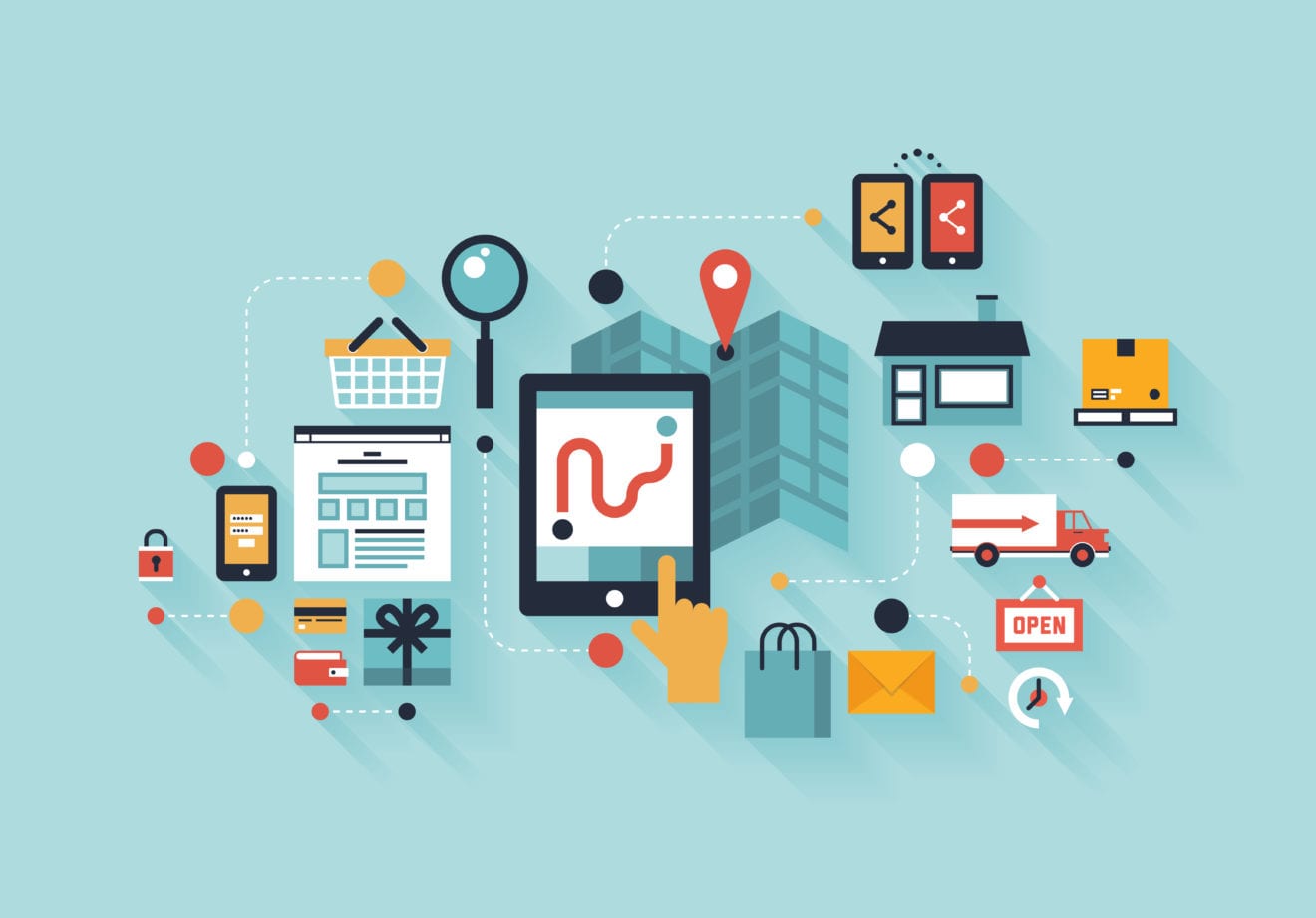
Omnichannel retailing has emerged as a game-changer, blurring the lines between physical and digital shopping experiences. Shoppers today expect seamless transitions from online browsing to in-store purchasing. Retailers are meeting this demand by integrating their platforms, making it easier for customers to pick up online orders in store or return items purchased online with ease.
A recent survey revealed that over 75% of consumers prefer shopping with retailers that offer this flexibility. This shift is not just a trend; it’s a transformation that is likely to shape the future of retail. As retailers refine their omnichannel strategies, they are learning to ensure that personalized experiences await consumers at every turn – whether they’re shopping on their phones or strolling through a brick-and-mortar store.
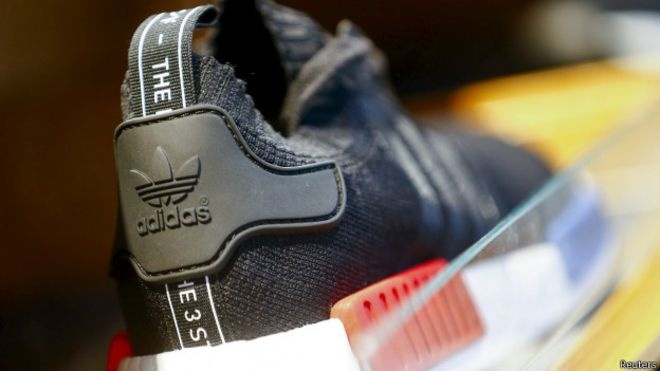
Meanwhile, sustainability is no longer an afterthought but a central tenet of retail philosophy. Brands across Asia are increasingly prioritizing green initiatives to appeal to a socially conscious consumer base. Uniqlo, for instance, is investing in recycling programs and responsible sourcing, while Adidas is stepping up its use of recycled materials in product lines.
Not only does this commitment help the environment, but it also strikes a chord with consumers who are more likely to support brands that echo their values. As the adage goes, “You are what you wear,” and more shoppers are keen to wear their hearts on their sleeves—literally.
And in an unexpected twist, it seems that socially responsible shopping might even trend faster than the next TikTok dance fad.
Despite the positive developments, retailers are not without challenges. Inflationary pressures and supply chain disruptions are forcing companies to rethink their pricing strategies and inventory practices. With costs rising, many brands are walking a tightrope between delivering value and maintaining profitability.
As tricky as it sounds, the ability to adapt to these challenges and communicate transparently with consumers will be crucial for brands looking to remain competitive.
As the retail landscape continues to evolve at a dizzying pace, businesses must not only stay informed but also engage with their customers in innovative ways. After all, who doesn’t love a good bargain or a fun shopping experience?
What are the key technologies influencing retail today?
Brands are leveraging augmented reality and artificial intelligence to elevate customer engagement and efficiency while providing personalized experiences.
How important is sustainability in retail?
Sustainability is becoming a core element of retail strategy, as consumers increasingly gravitate toward brands that prioritize eco-friendly practices.
What challenges are retailers currently facing?
Inflation and supply chain issues remain significant hurdles for retailers, necessitating a thoughtful approach to pricing and inventory management.