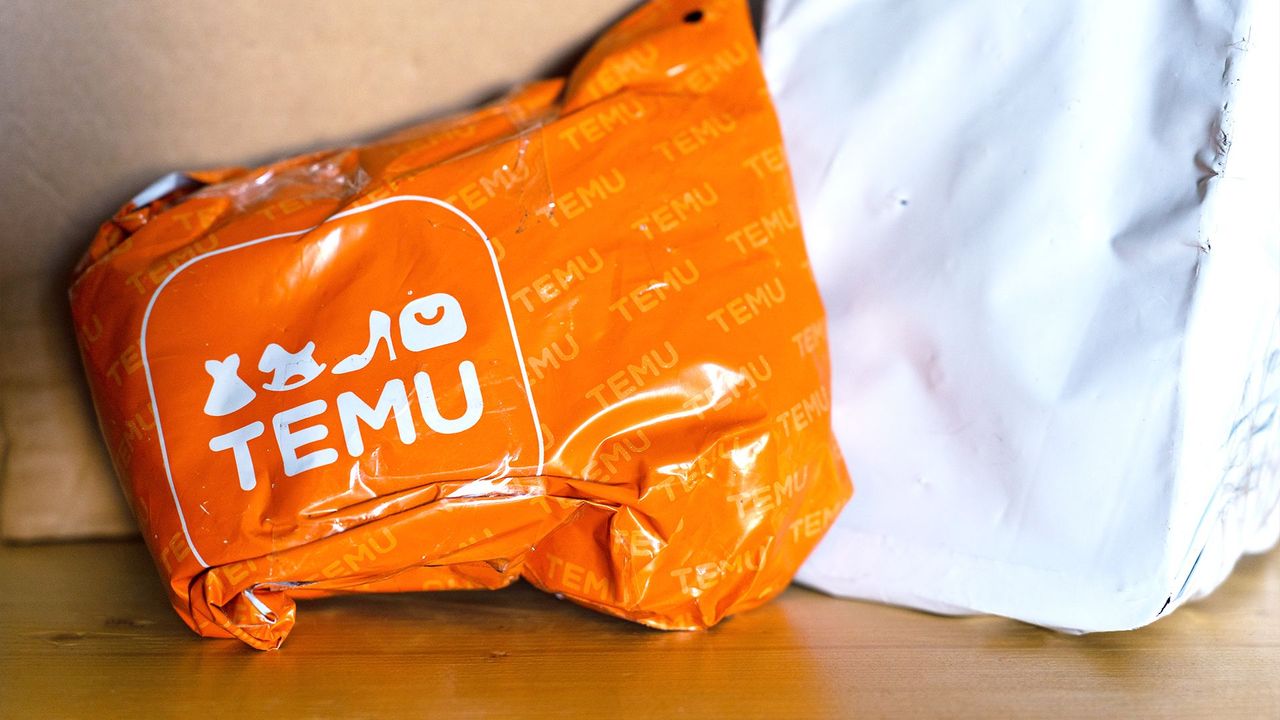
PDD Holdings’ international discount e-commerce platform, Temu, reported a 58 per cent decrease in daily US users in May. This downturn is just one of the challenges the online retailer is grappling with in the face of the US-China trade war.
Temu made the strategic decision to cut advertising expenses in the US and alter its order fulfillment approach after the cessation of the “de minimis” practice by the White House on May 2. This regulation had previously granted Chinese companies the ability to ship low-value packages to the United States without incurring tariffs.
For years, Temu and the large fast-fashion company, Shein, had availed themselves of this provision. This allowed them to deliver items directly from suppliers in China to consumers in the US, thereby maintaining low prices.
Since the announcement of sweeping trade tariffs by US President Donald Trump, both Temu and Shein have noted a marked decline in sales growth and customer acquisition rates. However, according to data gathered by consultancy firm, Bain & Company, Temu’s downward trends surpass those of its competitor.
Both platforms were forced to increase prices due to tariffs, yet Shein has managed to raise the amount of money spent per customer in comparison to the previous year, data indicated. Conversely, Temu has grappled with this challenge.
Temu declined to comment on the drop in daily US users or the challenges it is encountering in the US market.
According to a May note from Morgan Stanley equity analyst Simeon Gutman, engagement on Temu has significantly decreased following the termination of the de minimis exemption.
Gutman expressed his belief that, if the current tariff conditions remain unchanged for an extended period, Temu’s competitive position is likely to continue to weaken.
PDD’s first quarter earnings were recently reported and failed to meet growth expectations. In a post-earnings call, executives stated that tariffs had imposed significant pressure on its merchants.
They reaffirmed Temu’s prior commitment to maintain stable prices and collaborate with merchants across regions, highlighting a move towards a local fulfilment model announced at the start of May.
Previously, Temu’s business model held merchants accountable for ordering and supplying their products, while the China-based company managed the majority of logistics, pricing, and marketing.
Under the new model, Temu’s merchants “can ship individual orders from China to Temu-partnered US warehouses, but they would need to address tariffs and customs charges and paperwork”. Temu continues to handle order fulfillment close to consumers, pricing, and online operations.
Despite these difficulties, HSBC analysts reported last week that Temu’s growth in non-US markets has increased, with non-US users constituting 90 per cent of its 405 million global monthly active users in the second quarter.
What factors contributed to the decrease in daily US users of PDD Holdings’ platform, Temu?
The US-China trade war and the cessation of the “de minimis” practice, which allowed tariff-free shipping of low-value packages to the US, contributed to this decline.
How have changes in global trade conditions affected Temu?
The company has been forced to alter its order fulfillment strategy and increase prices. Additionally, it has experienced a decrease in sales growth and customer acquisition rates.
What adaptations has Temu made in light of these challenges?
Temu has shifted to a local fulfillment model in the US and is working collaboratively with its merchants. It continues to manage logistics, pricing, and online operations, despite the changes in market conditions.