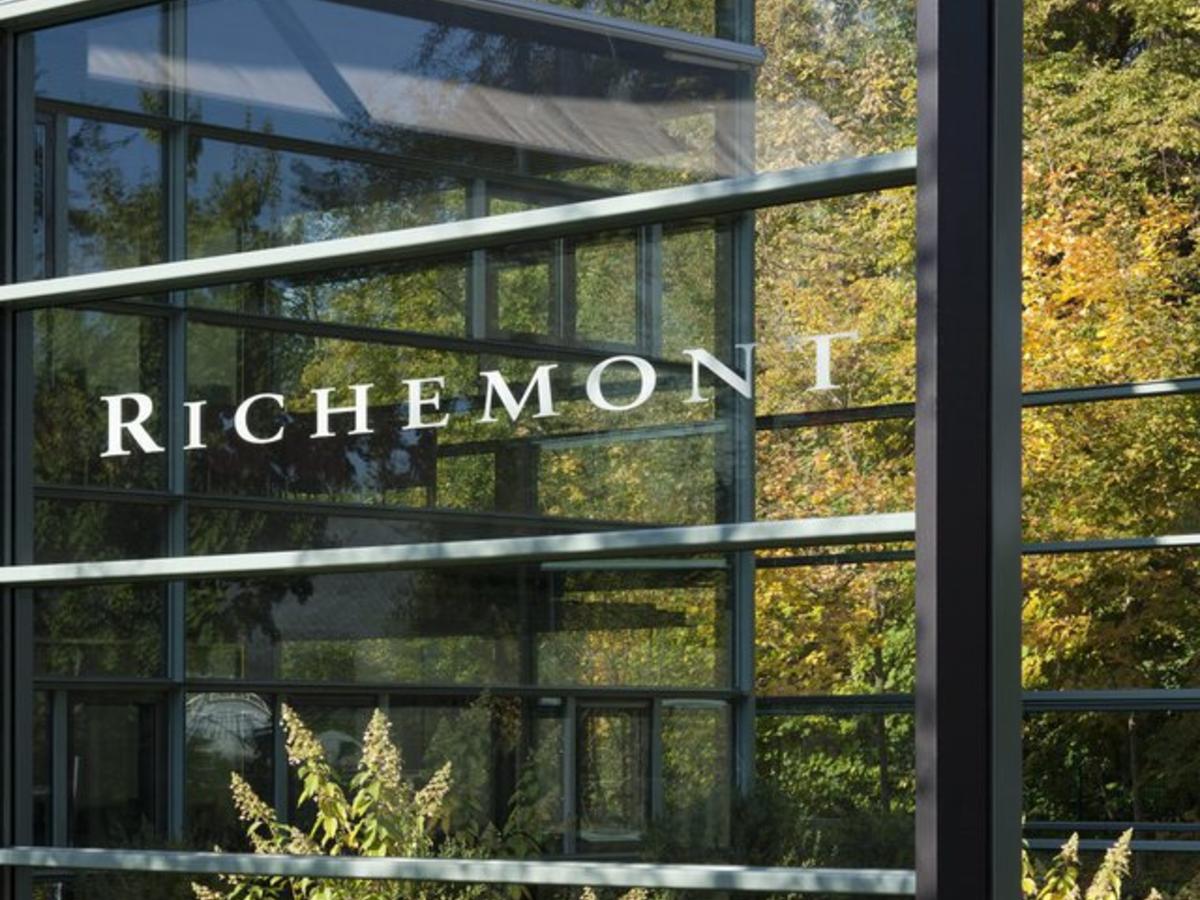
The Swiss luxury conglomerate, Richemont, reported a six per cent increase in quarterly sales, attributing the growth to the continued popularity of its fine jewelry brands, Cartier and Van Cleef & Arpels, among affluent consumers.
For the first quarter, ending June, the firm posted sales of 5.4 billion euros. This figure mirrors the projected six per cent growth in accordance with the forecast set by financial analysts.
The powerhouse behind the group’s expansion was the jewelry division, which reported an 11 per cent sales increase. However, the company’s watch division, which comprises esteemed brands such as Vacheron Constantin and Jaeger LeCoultre, did not perform as well. Watch sales were seven per cent lower on a year-on-year basis, although this represents a minor recovery from the 11 per cent decline witnessed in the preceding quarter.
The Swiss watch industry, currently grappling with potential tariff threats in the United States, is predicted to report its lowest wristwatch export volumes since the onset of the pandemic in 2020.
Regionally, sales performance varied. In the Americas, primarily the U.S market, sales improved mildly – up 17 per cent, surpassing the 12 per cent growth forecast. Conversely, sales in Asia remained stagnant, as a seven per cent sales slump in China, Hong Kong, and Macau was counterbalanced by robust business activities in other parts of the continent.
Which Richemont division led the group’s growth? The jewelry division led Richemont’s growth, reporting an 11 per cent increase in sales.
How did the watch division perform? The watch sales were seven per cent lower on a year-on-year basis.
How did sales vary across regions? Sales improved in the Americas, particularly in the U.S, by 17 per cent. In Asia, sales remained stagnant due to a seven per cent sales decrease in China, Hong Kong, and Macau, offset by stronger business in other Asian regions.