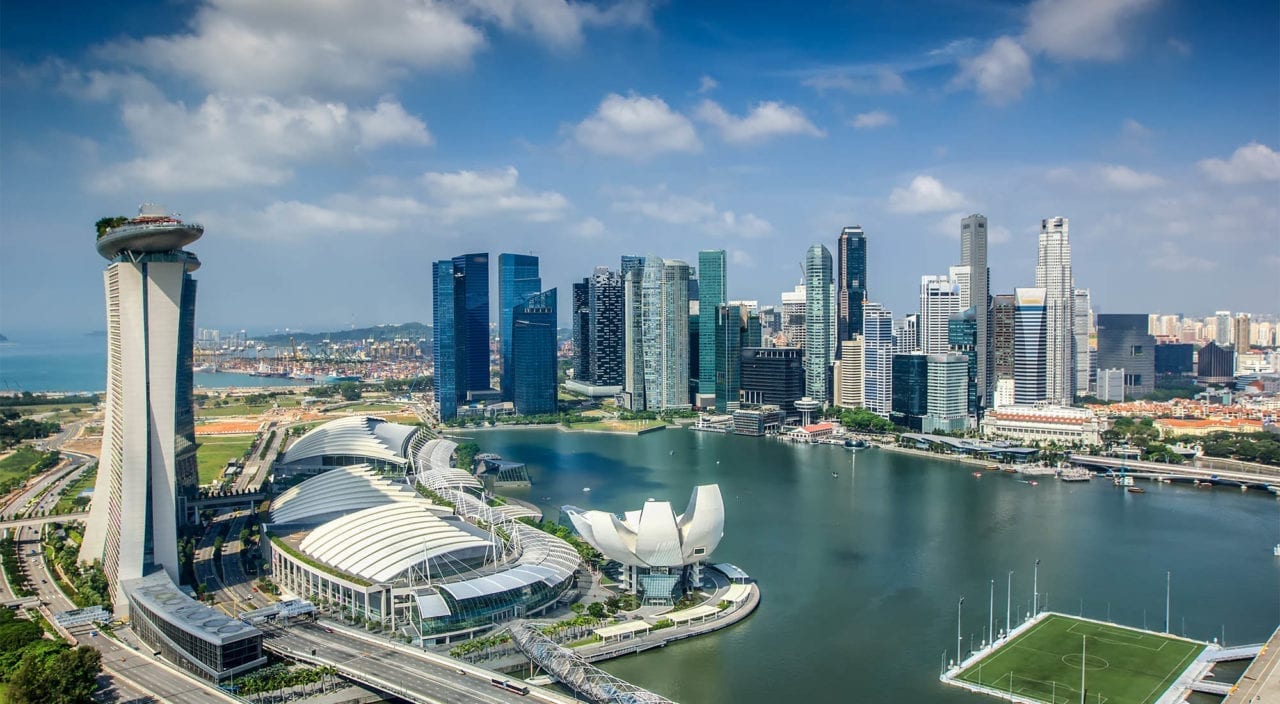
Singapore is making waves in the luxury market, clinching the top spot for the highest prices in cars and women’s handbags, along with strong performances in women’s shoes and property costs, according to the Global Wealth and Lifestyle Report 2025 released by Swiss bank Julius Baer last Thursday. The city-state ranked second for women’s shoes and third for residential property and healthcare costs.
The report highlighted significant price hikes in business-class airfares, which soared by 17% year-on-year. Additionally, the costs of bicycles and private school fees rose by 15.6% and 12.1%, respectively, as reported by the South China Morning Post. Despite these increases, Singapore remains an attractive destination for global businesses and high-net-worth individuals (HNWIs), defined as those with bankable household assets of at least US$1 million.
“Given the unpredictable nature of the world today, Singapore is valued for its stability, security, and connectivity to Asia and beyond,” the report noted, showcasing why the city continues to draw interest from affluent expatriates and investors alike.
To compile its rankings, Julius Baer examined a selection of 20 luxury goods and services across 25 cities globally, with an eye on the discretionary spending habits of HNWIs. These items include the likes of cars, watches, and handbags, along with essential services such as healthcare and private education, according to Bloomberg.
A survey conducted among HNWIs between February and March 2025 further enriched the findings, shedding light on their spending habits and lifestyle preferences.
Following Singapore, London secured the second position, while Hong Kong slipped to third, trading places from last year’s report. Hong Kong reported the highest legal fees among those considered, while London emerged as the priciest city for LASIK eye surgery, private schooling, and MBA programs.
On a global scale, the luxury living index experienced a 2% decline over the last year in U.S. dollar terms, marking a shift from a 4% increase in 2024 and a 6% spike in 2023. This notable downturn can be attributed to a waning demand for luxury goods as consumers pivot their spending from material possessions to experiential pursuits, the report explained. In a world where the unexpected can make or break your financial plans, it seems luxury shoppers are deciding that a trip to Bali might be more worthwhile than that diamond-encrusted watch after all.
In the Asia-Pacific region, HNWIs encountered more pronounced hikes in lifestyle expenses compared to their global counterparts. The region set the pace for price increases in women’s luxury apparel, upscale hotels, and gourmet dining options, as reported by the Business Times. Business-class airfares and luxury watches saw some of the steepest rises, increasing by 12.6% and 9% respectively.
What factors contribute to Singapore’s ranking in luxury prices?
Singapore tops the list for the prices of cars and handbags, while also performing well in residential property and healthcare costs, driven by its appeal to high-net-worth individuals looking for stability and security.
How do luxury living costs in Singapore compare to trends globally?
While luxury living costs globally dipped by 2% over the past year, Singapore experienced significant price increases, indicating a divergence in consumer behavior and market dynamics in the region.
What insights were gained from the survey of high-net-worth individuals?
The survey provided valuable insights into HNWIs’ shifting spending habits, revealing a trend toward prioritizing experiences over material luxury items as personal financial circumstances evolve.