Vietnam’s gold bar prices experienced a decline on Wednesday morning, even as global bullion rates showed an uptick.
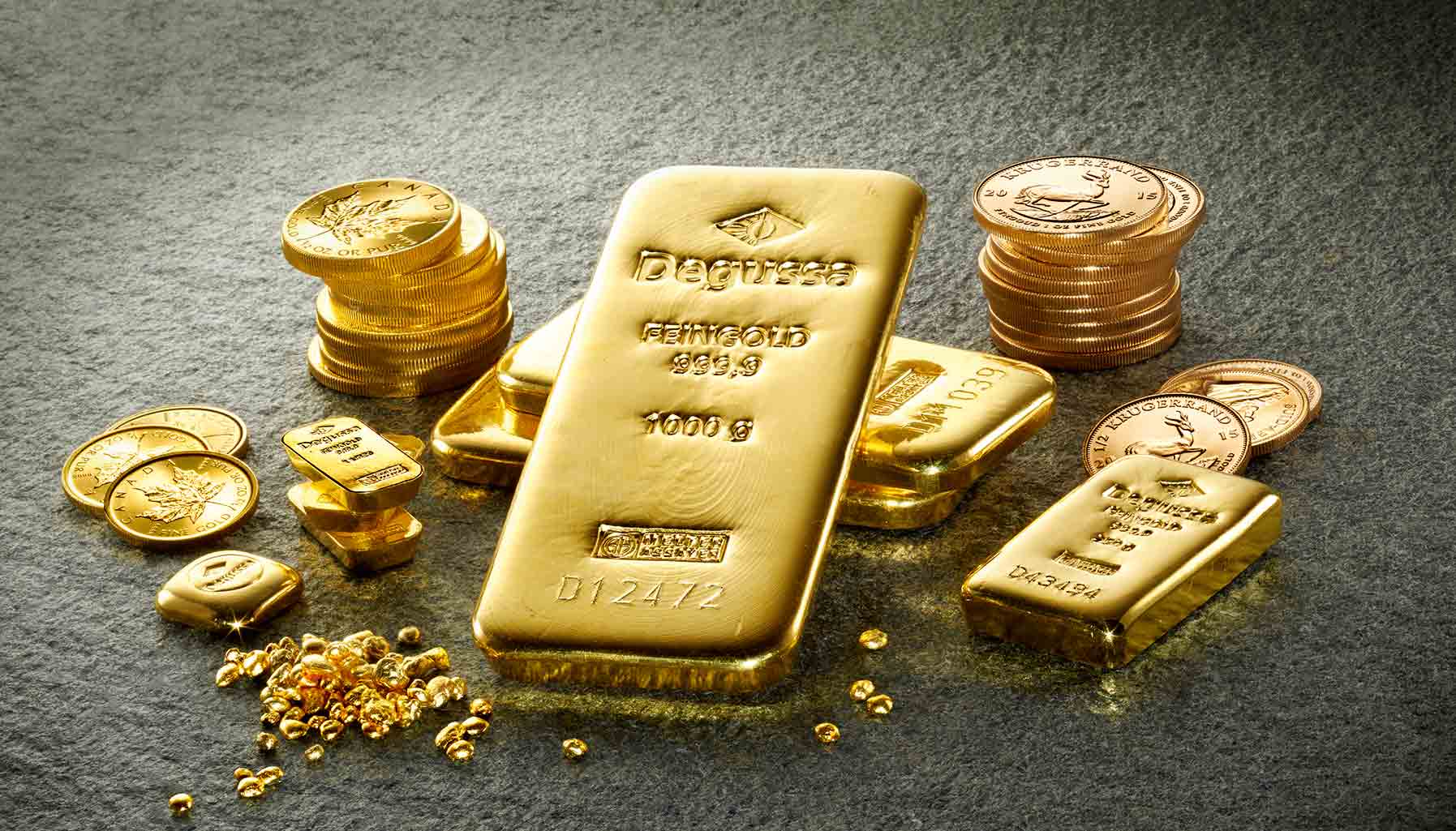
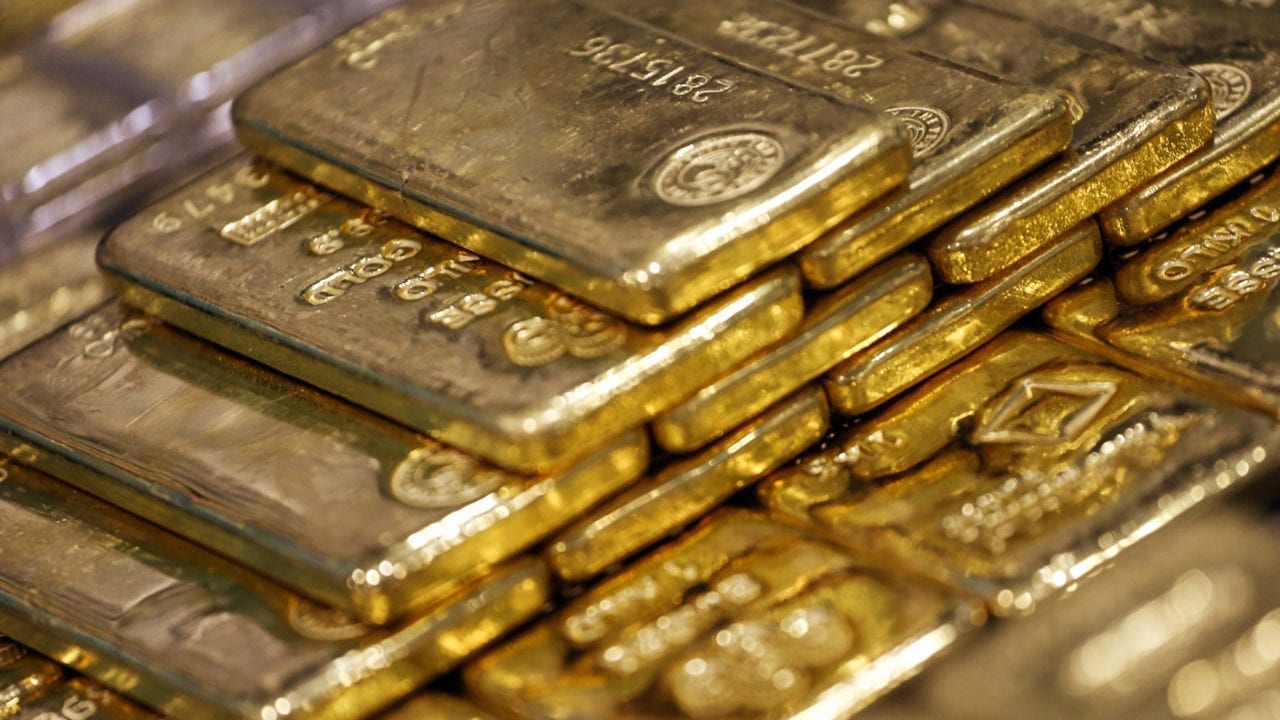
In Vietnam, the price for gold bars from the Saigon Jewelry Company fell by 0.41%, settling at VND120.6 million (approximately US$4,609.21) per tael. Meanwhile, the price of gold rings also decreased by 0.34%, now priced at VND116.7 million per tael. For context, one tael equals 37.5 grams or 1.2 ounces, a measurement that continues to hold significance in the Asian market.
Across the globe, gold prices saw gains, driven by the latest U.S. consumer price data and mounting anticipation around U.S. President Donald Trump’s trade policies. Spot gold was recorded at an increase of 0.4%, reaching $3,334.12 per ounce, while U.S. gold futures climbed 0.1% to $3,340.90.
“Gold at this moment is consolidating with a slight downward bias, particularly due to a stronger dollar,” commented Brian Lan, managing director at GoldSilver Central in Singapore. The ongoing negotiations concerning tariffs have injected further uncertainty into the market, leading many investors to seek refuge in traditional safe havens, like gold.
Gold’s longstanding appeal as a safe haven in economically turbulent times is expected to persist, especially in low-interest-rate environments. It seems investors are willing to dance with volatility while keeping a close eye on market cues—because in the world of gold, just like in the casino, fortune favors the bold, or perhaps it favors those who are careful!
What caused the decline in Vietnam’s gold prices despite global increases?
Local gold prices in Vietnam fell as investors reacted to domestic market fluctuations, even though global prices rose due to changes in U.S. consumer data and trade policy expectations.
How much did spot gold increase globally on the same day?
On Wednesday, spot gold rose by 0.4% to reach $3,334.12 per ounce, reflecting broader trends in the international market.
Why do investors consider gold a safe haven?
Gold tends to perform well during economic uncertainties and low-interest-rate conditions, making it a preferred asset for those looking to safeguard their investments from market volatility.