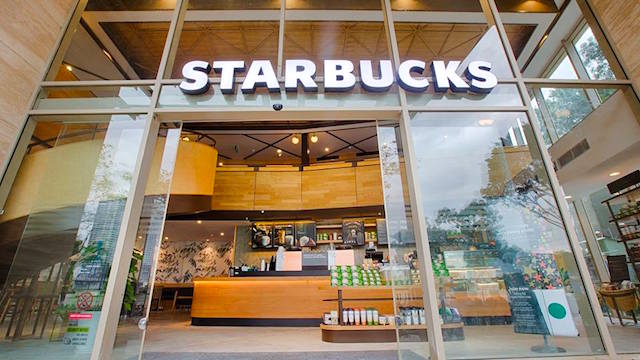
Starbucks has recently disclosed a drop in its global comparable store sales for its fiscal third quarter, which underscores the persisting challenges in its primary US market. This comes even as its China operations begin to show some promising signs of recovery.
Despite the Seattle-based coffee giant recording a 4% rise in total revenue year-over-year, amounting to US$9.5 billion, it was overshadowed by a 2% decrease in global comparable store sales. This dip can be predominantly attributed to a slump in foot traffic in North America—Starbucks’ biggest market—where there was a 3% reduction in transactions.
On a brighter note, China, the second largest market for Starbucks, appeared to defy this trend. Comparable store sales in China saw a 2% increase, signifying a comeback following several quarters of decline.
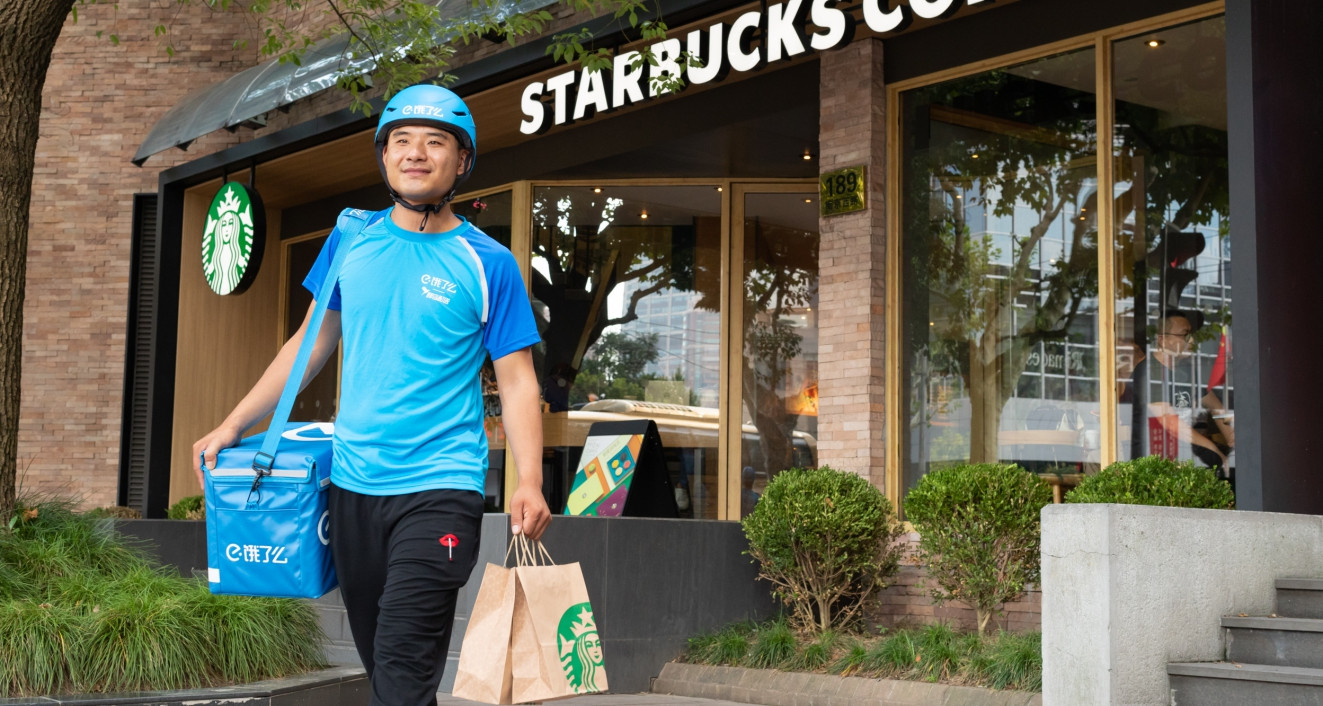
Over the past year, Starbucks has added over 500 new stores in China, thereby increasing its total to 7,828. The company is also said to be considering various proposals from potential local partners to help speed up its expansion into lower-tier cities, while keeping strategic control intact.
However, Starbucks also faces mounting competition in China from rapidly growing domestic contenders such as Luckin Coffee and Cotti Coffee. These brands have been rapidly expanding by offering lower prices and faster service models.
In North America, Starbucks is actively undertaking its ‘Back to Starbucks’ initiative, a strategy designed to bolster store operations, improve employee engagement, and refine the overall customer experience.
Brian Niccol, the Chairman and CEO, expressed an optimistic outlook, citing early signs of progress in the company’s efforts to revamp its operations. He commented, “We’ve made significant progress and tackled challenging issues to build a robust operating foundation. In terms of turnaround efforts, we are ahead of schedule.”
“By 2026, we plan to launch a series of innovations that will drive growth, enhance customer service, and ensure that everyone has access to the very best of Starbucks. We are committed to rebuilding a superior Starbucks experience and a stronger business.”
Starbucks has also announced its plans to gradually phase out underperforming mobile order-only stores, and shift towards new café formats that include seating and drive-thrus. This is part of an overall strategy to improve the in-store experience.
The coffee chain has big plans for fiscal 2026, with the introduction of a range of new beverage and food items, including protein-based cold foams, coconut water-infused drinks, gluten-free snacks, and customizable energy drinks.
In addition to the product expansion, there are also upgrades planned for the company’s mobile app and loyalty rewards program, with continued investment in digital and operational technology.
What strategies is Starbucks implementing to recover from the drop in sales?
Starbucks is taking several steps to recover, including the ‘Back to Starbucks’ initiative in North America, which aims to strengthen store operations and improve the overall customer experience. The company is expanding in China and is planning to introduce new products and upgrade its mobile app and loyalty program.
What is the ‘Back to Starbucks’ initiative?
The ‘Back to Starbucks’ initiative is a strategy designed to strengthen store operations, increase employee engagement, and enhance the overall customer experience. The company hopes this will help to boost sales and customer satisfaction.
What are the company’s plans for growth in China?
Starbucks plans to partner with local entities to accelerate expansion into lower-tier cities in China. Over the past year, the company has already added more than 500 new stores in the country and continues to consider strategies for further expansion.