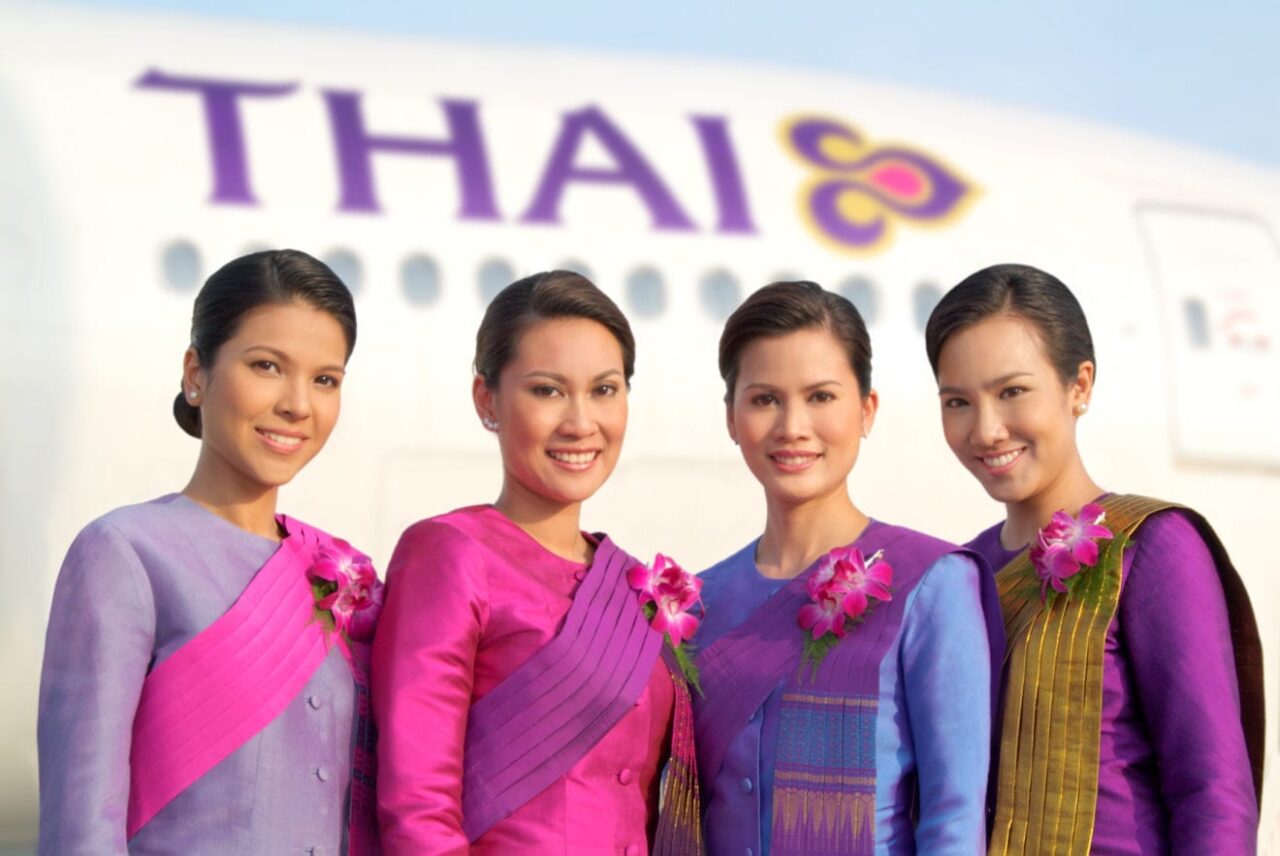
Thai Airways is embarking on an ambitious expansion, aiming to nearly double its fleet from 78 to 150 aircraft by 2033. The airline’s CEO, Chai Eamsiri, revealed in an interview that the company has struck a deal with Boeing for 45 787 Dreamliners, yet delivery has been postponed from mid-2027 to the end of that year.
To fill the emerging capacity gap, Thai Airways is turning to Airbus, with the delivery of its first of 32 narrow-body A321neos set for November this year. By 2028, all of these aircraft will be in operation. This strategic blend of Boeing for long-haul operations and Airbus for regional routes underscores the airline’s goal of enhancing connectivity between Europe and the Asia-Pacific.
These steps are part of a broader strategy for recovery, following a tumultuous period that forced Thai Airways to file for bankruptcy protection in 2020 after incurring significant losses from 2017 to 2019. The airline’s recovery has not been easy; it laid off half of its 30,000 staff and divested US$308 million in assets, while also relinquishing its state-owned status.
After a five-year trading suspension, Thai Airways’ shares made a splash upon their resumption on August 4, skyrocketing over 200% on the Stock Exchange of Thailand, according to The Nation. Year-to-date, the shares have risen by 57%, marking a remarkable turnaround.
Asadej Kongsiri, Director and Market Manager of the Stock Exchange of Thailand, hailed this return as a vital milestone, highlighting the adaptability and resilience of Thailand’s capital market.
For the second quarter of this year, Thai Airways reported a core profit of BHT6.78 billion (US$209 million), with total revenue increasing by 1% year-on-year to BHT43.31 billion. Moreover, the airline is collaborating with Bangkok Airways for domestic flights, tapping into a promising synergy. “We carry passengers from Europe to Bangkok and connect their flights to Sukhothai and Koh Samui,” Chai elaborated, referring to some of Thailand’s most beloved travel hotspots.
Despite these optimistic signs, Thailand’s foreign tourist arrivals have fallen to 16.6 million in the first half of 2025, down 4.6% year-on-year, largely due to a nearly 40% decline in visitors from China.
How is Thai Airways planning to expand its fleet?
Thai Airways aims to expand its fleet from 78 to 150 aircraft by 2033, signing a deal with Boeing for 45 787 Dreamliners while also ordering 32 Airbus A321neos to strengthen regional capabilities.
What recent challenges has the airline overcome?
Thai Airways faced significant financial struggles, leading to bankruptcy protection in 2020, involving layoffs of half its workforce and asset sales, but it has since made a strong market comeback.
What were the airline’s recent financial results?
In the second quarter of this year, Thai Airways reported a core profit of BHT6.78 billion (US$209 million) and saw a 1% year-on-year increase in total revenue, indicating a promising recovery trajectory.