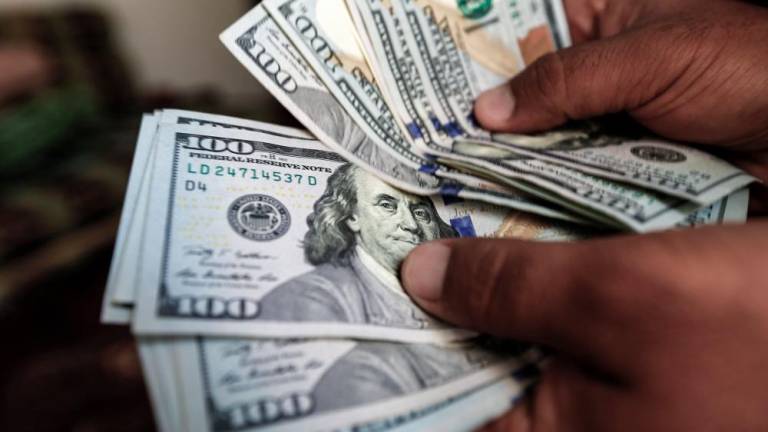
On Tuesday morning, the U.S. dollar experienced a minor decrease in value against the Vietnamese dong. This occurred concurrently with a global sell-off. Vietcombank, an established bank in Vietnam, recorded a 0.007% drop in the greenback, selling it at VND26,386.
In contrast, on the black market, the U.S. dollar saw a considerable increase, jumping 0.95% to VND26,550.
The global impact was also noticeable. The U.S. dollar fell to its lowest level in a week during early trading on Tuesday. This decline was propelled by threats issued by the White House against the European Union concerning the future of Greenland. This situation led to a wide-ranging sell-off across U.S. stocks and government bonds.
The dollar index, a measure of the U.S. dollar’s value against six major world currencies, also experienced a dip. The index dropped 0.1% to 99.004, marking its lowest level since January 14. This was due to investor concerns about potential exposure to the U.S. markets.
Regarding the Japanese yen, the dollar remained steady, with an exchange rate of 158.175 yen. This stability came after Sanae Takaichi, the Japanese Prime Minister, announced snap elections scheduled for February 8. Takaichi’s promise to halt an 8% sales tax on food for two years has turned the spotlight on Japan’s precarious public finances.
What was the impact of the White House’s threats against the European Union?
The threats triggered a broad sell-off across U.S. stocks and government bonds, which led to a decrease in the value of the U.S. dollar.
How did the dollar fare against the Vietnamese dong?
The U.S. dollar experienced a slight decrease against the Vietnamese dong, with Vietcombank selling the greenback 0.007% lower at VND26,386.
What is the significance of the dollar index’s drop?
The drop in the dollar index indicates a decrease in the value of the U.S. dollar compared to major world currencies. This dip reflects investor concerns about potential exposure to the U.S. markets.