Ngoc Yen is buzzing with excitement as she returns to Bali after a three-year hiatus, remarking that this time her journey was significantly more affordable and convenient thanks to a direct flight from Ho Chi Minh City. “It’s more manageable now: ticket changes are easy, the flight attendants speak Vietnamese, and the meals hit just right,” she shared, contrasting her previous experiences that often required lengthy layovers in Singapore, racking up unexpected costs along the way.
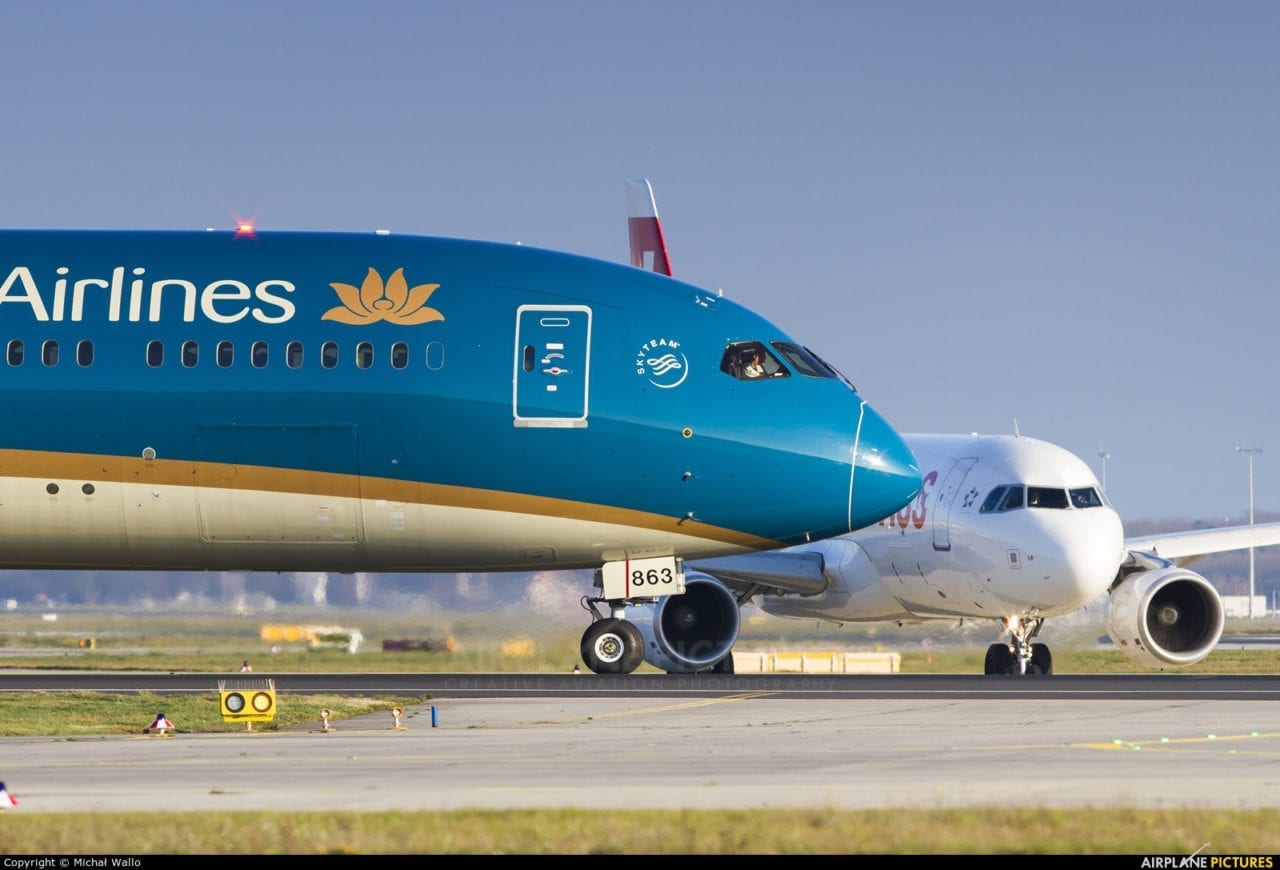
Leading the charge in this travel renaissance, Vietnam Airlines has introduced an impressive 13 new international routes since early 2024. Among these, the cities of Ho Chi Minh and Bali, Copenhagen, Bengaluru, Hyderabad, and Milan are now just a short flight apart. This expansion includes its inaugural service to Denmark and the revival of crucial routes such as Hanoi to Moscow and Ho Chi Minh to Osaka.
Today, Vietnam Airlines operates on 69 international routes—a notable 13% increase from pre-pandemic levels—connecting travelers to 37 destinations across 21 countries. A spokesperson for the airline highlighted its rapid recovery and expansion as “unprecedented.” The international routes have not only boosted airline connectivity but also contributed significantly to its financials, with revenues up by 10.6% year-on-year in the first half of 2025, accounting for 60% of total transport service revenues.
Meanwhile, budget carrier Vietjet Air is setting its sights on the Indian market with flights to major cities like Mumbai, Ahmedabad, and Hyderabad. The airline recently kicked off new services from Nha Trang in Vietnam to Vladivostok, Khabarovsk, and Blagoveshchensk in Russia, and connected Hanoi with Chengdu in China. Looking ahead, Vietjet plans to add flights to Auckland, New Zealand, in September, part of a broader strategy for sustained growth.
Bamboo Airways, on the other hand, is focusing its efforts on short-haul routes, allowing it to easily adjust flight frequencies to popular destinations like Bangkok, Taipei, and Seoul. In a unique twist, Vietravel Airlines is broadening its horizons in charter flights, appealing to high-end travelers with luxurious all-inclusive tours to destinations in South Korea, Japan, and Thailand.
The Civil Aviation Authority of Vietnam has noted a resurgence, revealing that Vietnamese airlines are now operating across more than 150 international routes, surpassing numbers seen before the pandemic. This aggressive expansion is driven by a desire to retain slots at major airports as demand for air travel rebounds. Airlines are also gearing up to increase international flights to attractive Vietnamese tourist destinations such as Da Nang, Nha Trang, and Phu Quoc, signaling a strategic effort to reinforce Vietnam’s position in the global transport ecosystem.
“We’re not merely chasing numbers; we’re selecting destinations with strong connectivity that serve both passenger and cargo needs,” stated a representative from one carrier, emphasizing the balance between growth and practicality. Routes like Hanoi-Hyderabad are gaining popularity due to competitive pricing, and travel agents in Hanoi report soaring demand for direct flights to India and Bali, particularly among independent and business travelers. As optimism swells, airlines are planning to continue this trend of international expansion, buoyed by the encouraging response to their new services.
What new international routes has Vietnam Airlines added recently?
Vietnam Airlines has launched 13 new international routes including those to Bali, Copenhagen, Bengaluru, Hyderabad, and Milan.
How has Vietjet Air expanded its operations?
Vietjet Air has targeted the Indian market with flights to major cities like Mumbai and has also initiated new services to Russian cities and plans to connect to Auckland, New Zealand.
What strategic moves are Vietnamese airlines making post-pandemic?
Vietnamese airlines are rapidly expanding their international services to secure airport slots and respond to rising travel demand, focusing on destinations that enhance both passenger and cargo connectivity.