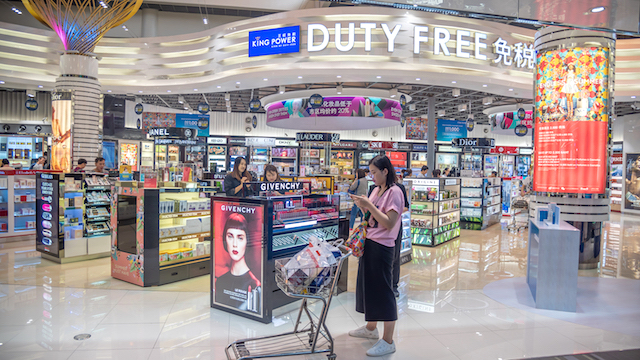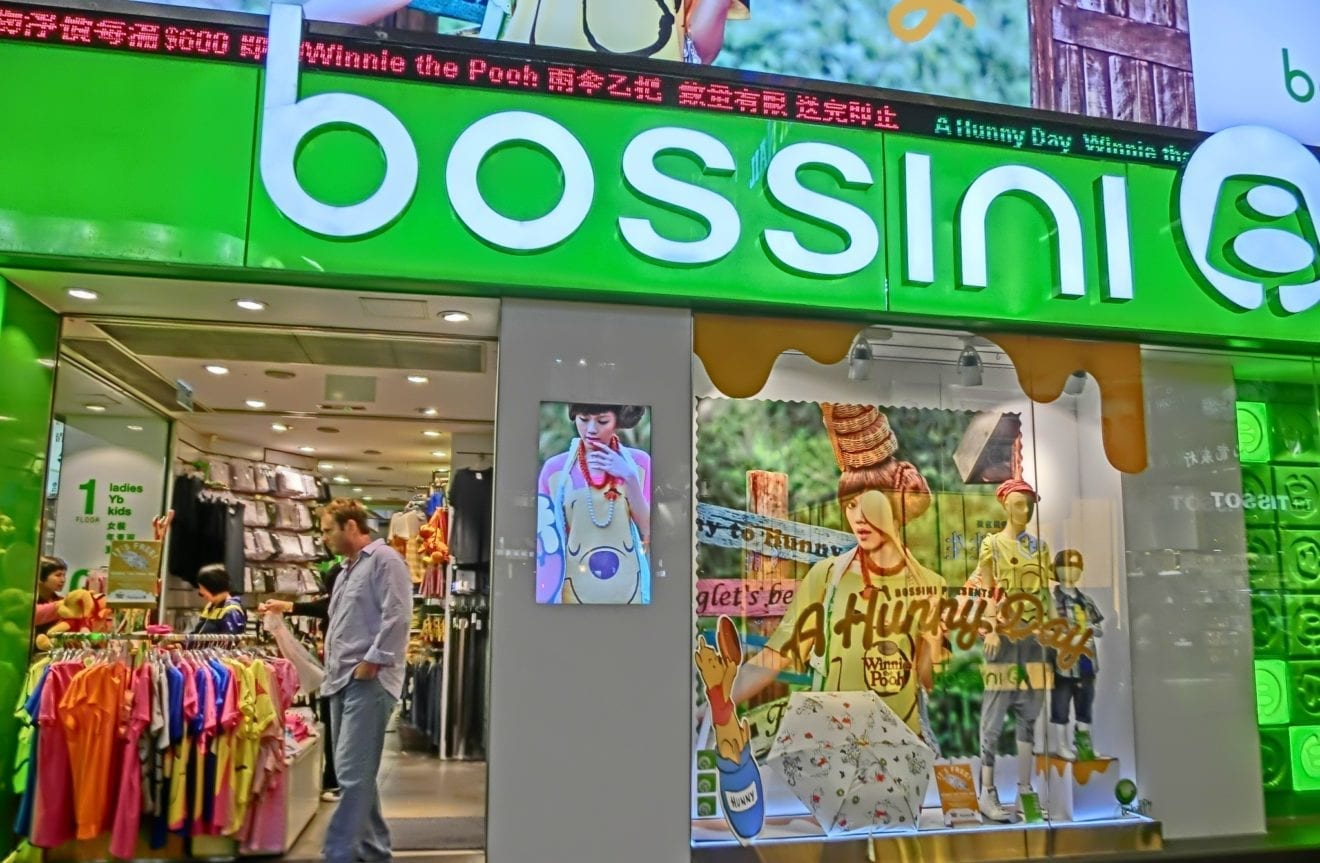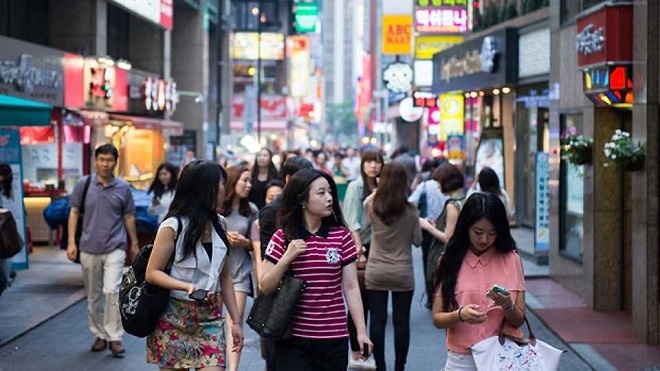
The retail landscape in Asia is witnessing seismic shifts as brands pivot to embrace sustainability and social responsibility at the heart of their strategies. Against this backdrop, leading retail players are not just tailoring products to meet consumer demand but are also weaving narratives that resonate deeply with a socially conscious audience.
As consumers across Asia become increasingly aware of environmental issues, their shopping preferences are evolving. A recent survey revealed that over 60% of shoppers are willing to pay more for sustainable products, underscoring a significant shift in purchasing behavior. Brands that adapt to these changing tides are finding new opportunities to connect with their audiences in meaningful ways. Funny enough, it seems that being eco-friendly is the new black in retail fashion!
This transformation is particularly evident in sectors like fashion, electronics, and food. Retailers are investing in eco-friendly packaging, ethically sourced materials, and carbon-neutral logistics. For instance, major fashion chains are introducing lines featuring organic cotton and recycled polyester, while tech companies are innovating with energy-efficient products that minimize environmental impact.
In addition to sustainable practices, technological innovation is reshaping the retail experience. From augmented reality shopping experiences to AI-driven personalization, technology is enabling brands to enhance customer engagement. Interactive in-store displays and mobile apps that offer tailored recommendations based on previous purchases are becoming the norm rather than the exception.
Moreover, the rise of e-commerce has spurred traditional retailers to rethink their strategies, blending online and offline elements. Click-and-collect services and virtual try-on technology are examples of how retailers are adapting to the digitally-savvy consumer. This integration is critical, given that online shopping is projected to account for over 25% of total retail sales in Asia by 2025.
Community engagement is increasingly becoming a focal point for brands aiming to foster loyalty and trust. Retailers are connecting with local communities through initiatives such as charity partnerships, local sourcing, and transparent supply chains. By highlighting their role in the community, brands not only boost their image but also create a loyal customer base that feels invested in their mission.
Chinese cosmetic giant L’Oréal has successfully leveraged this strategy by supporting local artisans through its product lines while also encouraging sustainable beauty practices. This not only amplifies their brand values but also galvanizes consumers to make more informed choices.
As we look to the future, the confluence of sustainability, technology, and community engagement paints a promising picture for the retail industry in Asia. Companies that can navigate these currents will thrive in an increasingly competitive landscape. In a world where every purchase tells a story, retailers are challenged to ensure that their narratives align with the values of the consumers they aim to serve.
To put it simply, the era of conscious consumption is here, and it’s transforming the way retailers operate across Asia. Getting ahead of the curve could be the difference between becoming a market leader or getting lost in the crowd.
What percentage of consumers are willing to pay more for sustainable products?
Over 60% of consumers in Asia expressed a willingness to pay a premium for sustainable products, highlighting the growing importance of eco-friendly options in purchasing decisions.
How is technology impacting the retail landscape in Asia?
Technology is enhancing customer engagement through innovations like augmented reality shopping, AI-driven personalization, and seamless integration between online and offline retail experiences.
What role does community engagement play in modern retail strategies?
Community engagement helps retailers foster loyalty and trust, often through local partnerships and transparent practices that resonate with socially conscious consumers.