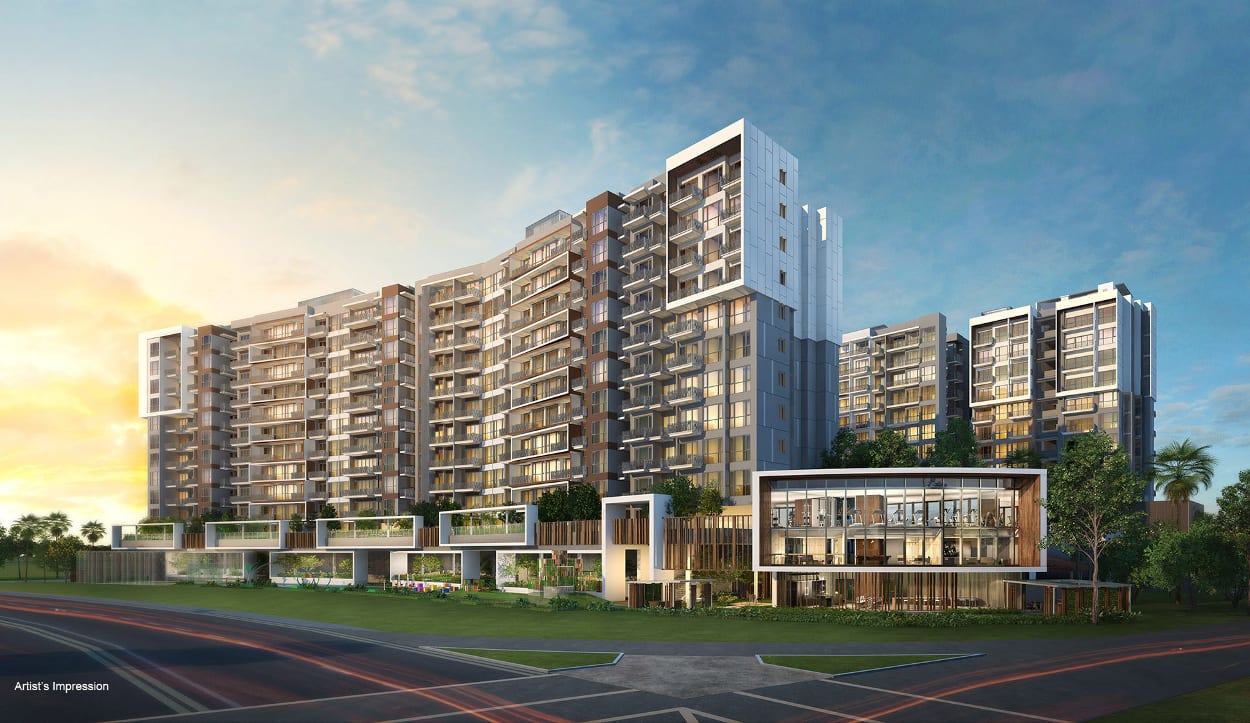
Bangkok’s condominium market continued to feel the squeeze in the second quarter of 2025, with only two new projects launching and a mere 405 units introduced. This staggering figure marks the lowest level of new launches in 15 years, as reported by Knight Frank, underlining developers’ cautious approach in a climate laden with uncertainty.
The subdued activity is attributed to multiple pressures weighing on the market, not least the psychological ramifications of a recent earthquake that has particularly affected completed projects with unsold units. As a result, ownership transfers saw a marked decline compared to the COVID-19 pandemic phase. Developers now find themselves extending timelines to clear their existing inventory, a move that inevitably incurs higher management costs.
Amid these challenging conditions, some developers are grappling with debt repayment issues that could threaten the overall financial health of the real estate sector. The report indicated that these strains might force price cuts or special sales strategies aimed at boosting revenue and managing cash flow effectively. While the challenges are mounting, many developers are not throwing in the towel; instead, they are employing adaptive strategies to weather the storm of 2025.
The ongoing trend highlights a decrease in supply, with Q2 2025 seeing the lowest number of condominium launches since 2020. All newly introduced units are situated in Bangkok’s northern suburbs, starkly contrasting the boom witnessed in Q2 2022 when the market surged to a staggering 15,164 units—its highest output in five years. Since then, the market has confronted a slowdown, particularly from Q3 2023 onward, where quarterly launches have frequently dipped below 8,000 units and even fell under 3,000 units at times.
Compounding the slowdown, ownership transfers in Q2 2025 dropped to just 12,183 units—marking the lowest figure in over six years. This trend reflects a broader malaise in the market, punctuated by economic uncertainties and factors undermining buyer confidence, such as high household debt, soaring living costs, and tightening lending practices from financial institutions. As buyers retreat, the dynamics of the market shift from vibrant potential to an uphill climb.
What factors are influencing the slowdown in Bangkok’s condo market?
Developers are facing a range of pressures, including a recent earthquake’s psychological impact, ongoing economic uncertainties, high household debt, and stricter mortgage lending criteria, all contributing to reduced buyer confidence.
How does the current supply of new condos compare to previous years?
The supply of new condominiums in Q2 2025 reached its lowest level in 15 years, with only 405 units launched, a significant downturn from the market peak in Q2 2022 when over 15,000 units became available.
What strategies are developers implementing to cope with market challenges?
Many developers are pivoting to proactive strategies, which may involve price reductions or special sales to stimulate sales and manage cash flow effectively as they navigate through ongoing market uncertainties.