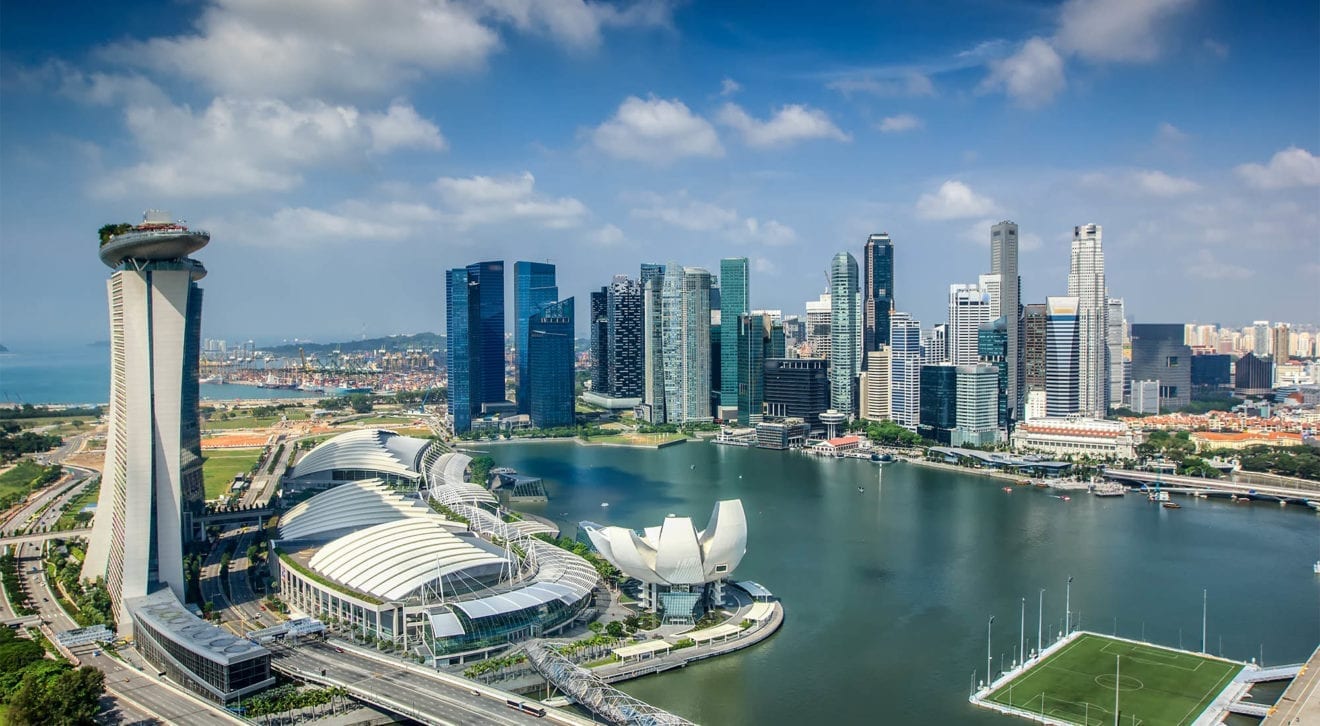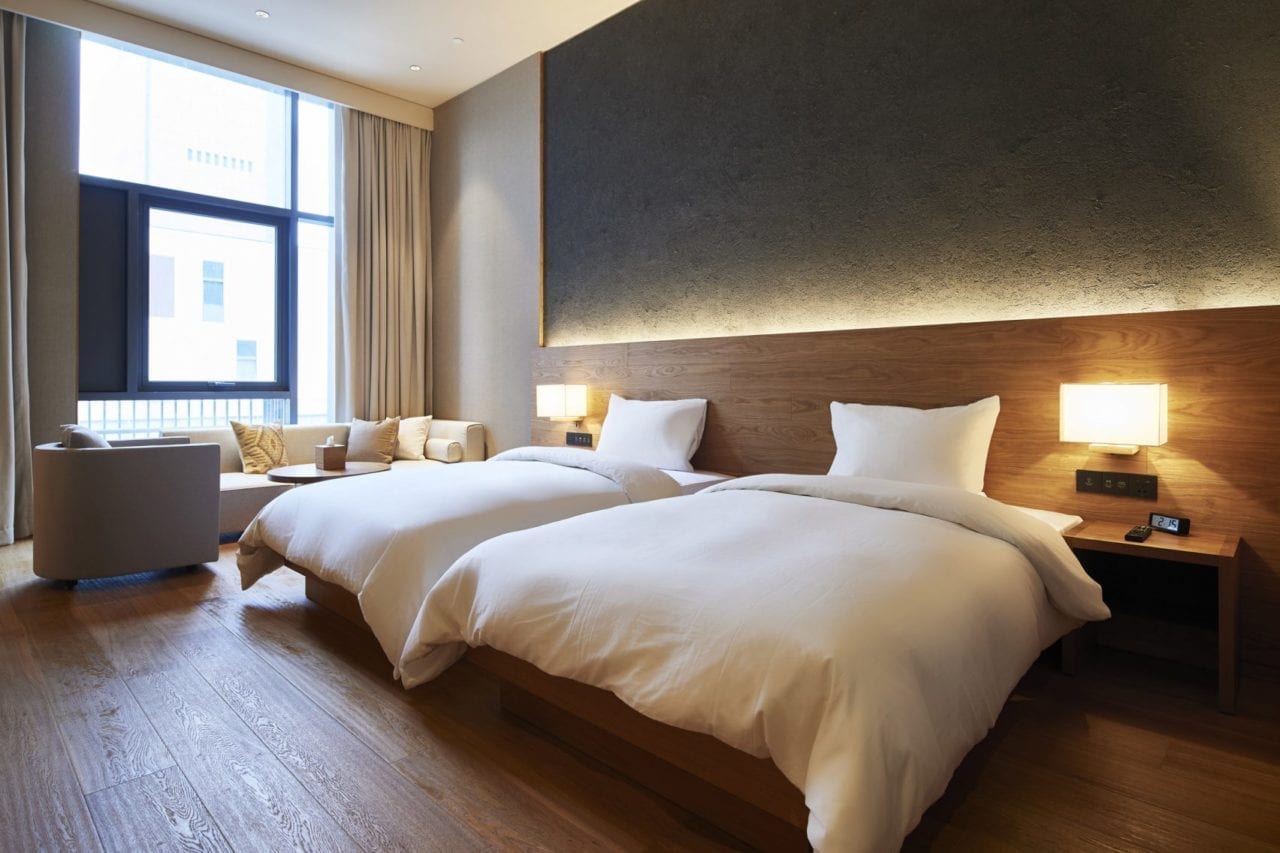
Hotel development in Singapore is gearing down significantly in 2025, as the industry adapts to shifting market dynamics. The latest report from JLL highlights a stark trend: only the 338-key Mandai Rainforest Resort by Banyan Tree will debut in April 2025, designating it as the lone new hotel opening in Singapore during the second quarter. This follows the much-anticipated launch of Raffles Sentosa in the first quarter of the same year.
JLL’s findings underscore that 2025 is likely to witness the fewest new room additions since the tourism sector began its rebound in 2023. “More active government support,” the report notes, is observable with the introduction of two hotel sites through the Government Land Sales program scheduled for the latter half of 2025. However, that proactive approach might not be enough to reverse the impending slowdown.
As of June 2025, luxury hotels have reported a year-on-year decline in revenue per available room (RevPAR), attributed to softer average daily rates (ADR) and occupancy rates. The midscale and upscale segments also experienced reductions, although the drop was somewhat softened by improvements in occupancy. The pronounced declines appear particularly striking when juxtaposed with the high baseline performance recorded in 2024.
In a surprising twist, Q2 2025 saw robust transaction activity, including the sales of notable properties like the 299-key Citadines Raffles Place, the 49-key Duxton Reserve Singapore, and the 48-key 21 Carpenter Street. The latter transaction set a record as Singapore’s largest shophouse deal, and one of the most significant for a hospitality property in the city-state.
The outlook remains cautiously optimistic, fueled by stable year-on-year growth projections for tourism arrivals and receipts, as per the Singapore Tourism Board. Key markets, particularly China and Australia, are expected to continue to lead in tourism spending, especially around hospitality and food and beverage sectors.
There’s also a notable shift toward unique hospitality properties with historical significance. Investors are increasingly drawn to these assets for their potential capital appreciation and stable returns, suggesting that more significant transactions could be on the horizon following high-profile deals in the sector.
Why is hotel development slowing in Singapore in 2025?
Development is projected to slow due to a decrease in new room additions, marking the fewest since the tourism rebound began in 2023, alongside softer performance metrics in various hotel segments.
What notable hotel transactions occurred in H2 2025?
The quarter saw significant sales, including the landmark transaction of 21 Carpenter Street, which became Singapore’s largest shophouse deal, marking a pivotal moment for the local hospitality market.
Which markets are anticipated to drive tourism in Singapore?
Key markets such as China and Australia are expected to continue leading tourism spending, particularly in areas like accommodation and food and beverage, contributing to stable year-on-year growth in arrivals and receipts.